
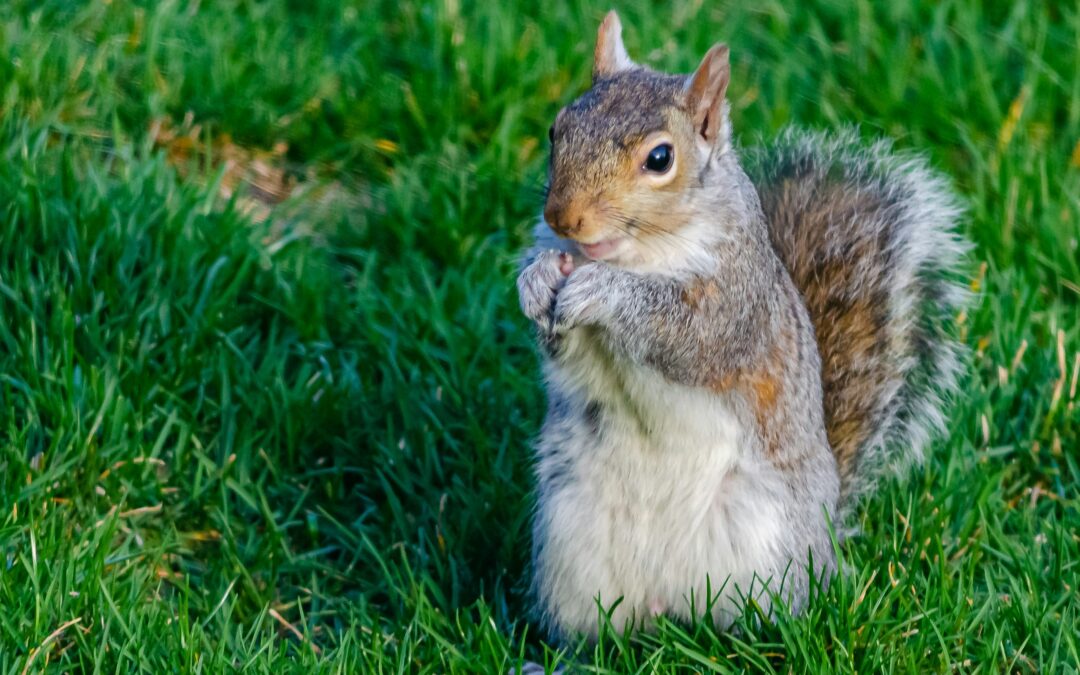
Squirrels are quick, playful, and surprisingly resourceful animals. If you’ve ever stopped to watch them darting around trees or chasing each other across a yard, you might have wondered what fuels all that energy. Their natural diet is a mix of plants, nuts, seeds, fruits, and even the occasional insect. While squirrels adapt easily to different environments, their diet plays the biggest role in how healthy and active they are. From my own personal experience, observing squirrels in both city parks and wooded areas has shown me just how much variety they enjoy when it comes to food.
Let’s take a deeper look at what squirrels naturally eat, how their diet shifts with the seasons, and why each part of their food intake matters.
Nuts and Seeds: The Core of a Squirrel’s Diet
Nuts and seeds are the main sources of energy for squirrels. You’ll often see them running around with acorns, walnuts, hazelnuts, or pine cones in their mouths. These foods are high in fat and provide the energy squirrels need to survive, especially during the colder months.
Squirrels have sharp teeth that never stop growing, so cracking open nuts isn’t just about food, it also helps keep their teeth from getting too long. Seeds from trees like maples and elms are also part of their diet, especially in spring when they’re more available.
Another important detail is how squirrels handle food storage. They are natural hoarders. In autumn, they bury nuts underground or hide them in tree crevices. This habit ensures they have food in winter when resources are scarce. Some of these stashed nuts never get eaten, and that plays a key role in forest growth because buried seeds often sprout into new trees.
Fruits and Berries: A Seasonal Treat
When fruits and berries are in season, squirrels take full advantage. They enjoy apples, pears, plums, grapes, and a variety of wild berries like blackberries, blueberries, and raspberries. Fruits offer natural sugars and hydration, which helps during warm months when water might be harder to find.
In rural areas, squirrels will forage in orchards or berry patches, while in suburban neighborhoods, they often raid gardens. This part of their diet provides quick energy and extra vitamins that keep their immune systems strong.
Based on my overall experience watching squirrels over the years, I’ve noticed they seem to favor soft fruits during late summer. They’ll often chew just enough to get to the juicy parts and leave the rest behind, which can sometimes frustrate gardeners. But in nature, this habit spreads seeds far and wide, aiding plant growth.
Green Plants, Leaves, and Stems
While you might picture squirrels munching only on nuts, they also eat fresh greens. Young shoots, tender leaves, and stems make up part of their diet, especially in spring. These provide essential nutrients and balance out the heavy fat intake from nuts.
Grass, weeds, and even garden vegetables can be on the menu if squirrels come across them. This plant-based portion of their diet keeps their digestion healthy and gives them variety.
Mushrooms and Fungi
Something many people don’t realize is that squirrels eat fungi, including mushrooms that grow on the forest floor or tree trunks. Fungi are packed with minerals and are available even in cooler seasons when other food sources are limited.
Squirrels are clever about fungi. They’ll often collect mushrooms and leave them to dry in tree branches, storing them for later use. This behavior shows how resourceful they are at preparing for times when food might not be as abundant.
Insects and Small Creatures
Although squirrels are mainly herbivores, they are opportunistic eaters. They won’t pass up protein-rich options like insects, caterpillars, or even small bird eggs if they come across them. These foods are not their first choice, but they help provide protein and extra nutrition when plant-based foods are scarce.
For example, during spring and early summer, insects are plentiful and easy to catch. Squirrels may eat them while still focusing on their usual nuts and fruits. It’s a survival tactic that ensures they don’t miss out on important nutrients.
Seasonal Shifts in Diet
A squirrel’s diet isn’t fixed. It changes with the seasons because different foods are available at different times.
In spring, their focus is on fresh greens, shoots, and seeds. By summer, fruits and berries take center stage, giving them quick energy and hydration. Come autumn, they switch heavily to nuts and acorns, hoarding as much as they can. Winter is the hardest season, and this is when their hidden stashes of nuts become essential. They also rely more on fungi and whatever plant material they can find.
This seasonal rhythm ensures squirrels have what they need to stay active all year.
The Role of Water in Their Diet
Even though you mostly see squirrels eating solids, water is also important. They get much of it from juicy fruits and green plants, but they will also drink from ponds, bird baths, or puddles when needed. In hotter months, water becomes essential for survival, especially in city areas where natural sources may be limited.
How Their Diet Affects Their Behavior
What squirrels eat has a direct effect on how they behave. For example, during autumn, they become more aggressive and territorial because food collection is critical for winter survival. Their instinct to hoard is stronger during this time, and you’ll often see them digging frantically or carrying nuts across long distances.
When fruits are ripe, squirrels can seem more relaxed, spending time feasting in orchards or berry patches. On the other hand, in winter, they conserve energy and rely more on their food caches, moving less and staying closer to shelter.
Human Interaction and Diet Changes
In urban and suburban settings, squirrels often adapt their diet to include human food scraps. They eat bread, popcorn, or even pizza crusts left behind in parks. While this shows their adaptability, these foods are not natural and can cause health issues over time.
Feeding squirrels by hand is tempting, but giving them processed foods is not ideal. It’s always healthier for squirrels to stick to their natural diet of nuts, seeds, fruits, and greens. From my own personal experience, I’ve seen how squirrels drawn to easy human food stop foraging for their usual diet, which can affect their health and natural instincts.
Why Understanding Their Diet Matters
Studying what squirrels naturally eat isn’t just about curiosity. It helps you understand their role in ecosystems. By spreading seeds, they help grow forests. By eating fungi, they assist in nutrient cycles. Their diet keeps them healthy and ensures they continue playing their part in nature.
It also helps you coexist with them more peacefully. If you understand that a squirrel raids your garden for fruits because it’s a normal part of their diet, you might choose to plant extra or cover your plants instead of seeing them as pests.
Wrap-Up
Squirrels thrive on a natural diet rich in nuts, seeds, fruits, greens, fungi, and occasionally insects. Each season changes what they eat, but their diet always balances energy, nutrition, and survival needs. They are natural foragers, clever hoarders, and important players in the balance of nature. Watching how their diet shapes their behavior has given me a better appreciation of their role in both city and woodland settings.
Understanding the natural diet of squirrels reminds you that even the smallest creatures contribute to larger ecosystems. The next time you see a squirrel crack open an acorn or nibble on a berry, you’ll know that it’s more than just a snack, it’s a piece of a survival plan that has been working for generations.