
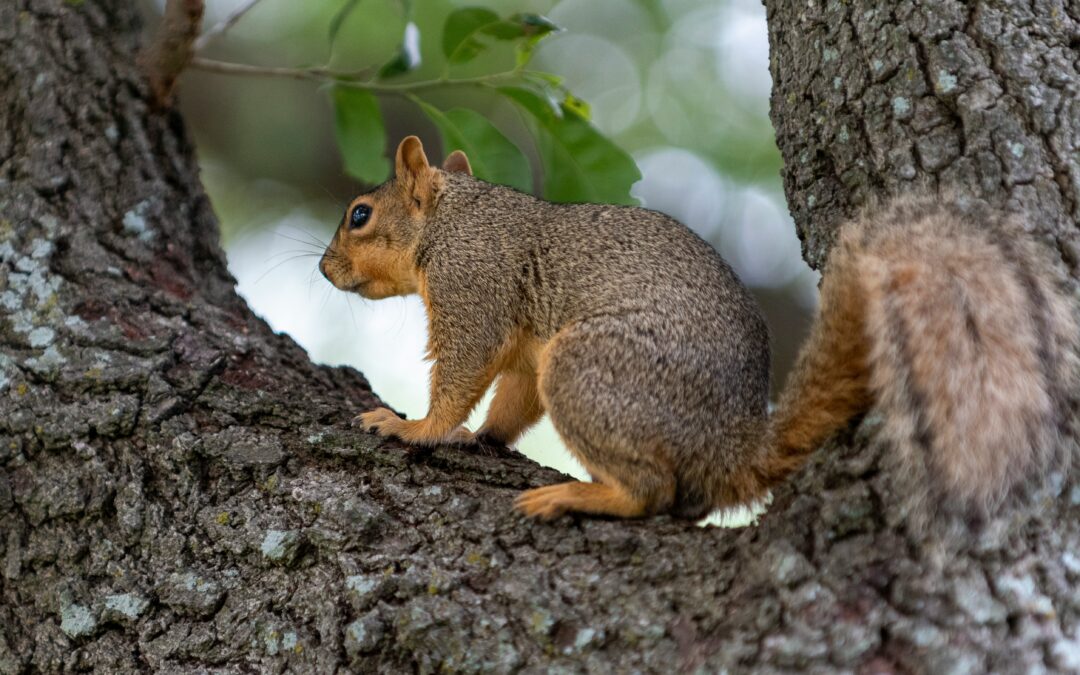
If you’ve ever put out food for birds, you probably know the problem already. You fill up the feeder, expecting to see sparrows, finches, or cardinals, and instead, you find a squirrel swinging upside down, happily chewing away. They don’t just take a little, they take a lot, and sometimes they scare off the birds completely. From my own personal experience, nothing is more frustrating than watching squirrels empty the feeder in less than a day. That’s why learning how to make a squirrel-proof bird feeder is such a game-changer.
Understand the Squirrel’s Determination First
Before you design your feeder, you need to understand your competition. Squirrels are clever, quick, and very flexible. They can leap several feet, chew through wood and plastic, and balance on the thinnest poles. If you underestimate them, they’ll win every time. But if you study how they move, what they can reach, and what materials they avoid, you’ll be in a much better position to outsmart them.
The Basics of a Squirrel-Proof Feeder
At its core, a squirrel-proof feeder works by creating barriers that squirrels can’t get past, or by using designs that only birds can use. Some feeders spin or tilt when something heavier than a bird lands on them. Others use cages or tubes that are too small for squirrels but just right for birds. The goal is to make it difficult enough that squirrels give up and look for food elsewhere.
Step 1: Choosing the Right Location
The first step doesn’t involve tools or materials, it’s all about placement. A poorly placed feeder will fail no matter how strong the design is. Squirrels can jump horizontally about 8 to 10 feet, so keep your feeder at least that far from trees, fences, or roofs. Vertical placement also matters. A feeder should be at least 5 feet above the ground, preferably closer to 6 or 7 feet, because squirrels can leap upward with surprising strength.
Step 2: Picking the Right Pole
One of the best ways to deter squirrels is by using a pole they can’t climb. Metal poles are ideal because squirrels can’t grip them as easily as wood. If you already have a wooden pole, you can wrap it in a smooth material like PVC pipe or even a metal sleeve. Some people grease the pole with petroleum jelly, but that needs constant reapplication and can sometimes harm the animals, so it’s better to go with a permanent solution like a baffle or sleeve.
Step 3: Installing a Baffle
A baffle is a wide, dome-shaped or cone-shaped barrier that stops squirrels from climbing up or down to the feeder. You can buy pre-made baffles, but you can also make one at home using large metal bowls, stovepipe, or even repurposed plastic items. The key is to make it wide enough (at least 18 inches in diameter) so squirrels can’t simply stretch around it.
Step 4: Building the Feeder Body
For the feeder itself, durability is crucial. Squirrels can chew through wood and plastic with ease. That’s why metal or thick acrylic is the best option. A simple design uses a metal tube with feeding holes covered by spring-loaded perches. These perches close under the weight of a squirrel but remain open for lighter birds. Another option is a cage-style feeder, where the bird food sits inside a wire cage. The openings in the cage should be large enough for small birds but too small for squirrels to reach through.
Step 5: Making It Bird-Friendly
While you want to keep squirrels out, you don’t want to frustrate the birds. Openings should be wide enough for common backyard birds to access. If you’re hoping to attract larger birds like cardinals or blue jays, make sure the feeder is spacious enough for them to perch comfortably. The trick is to balance accessibility for birds with inaccessibility for squirrels.
Step 6: Using Weight-Sensitive Mechanisms
If you enjoy a little DIY engineering, you can add a weight-sensitive system to your feeder. These systems close the feeding ports when anything heavier than a bird lands on the feeder. A spring or counterweight mechanism is usually enough to get the job done. This type of feeder is one of the most effective because it adapts to the weight difference between birds and squirrels.
Step 7: Protecting the Seed
Even if your feeder is well-designed, spilled seed on the ground can still attract squirrels. To minimize waste, use feeders that reduce spillage and clean the area beneath regularly. You can also add a seed tray under the feeder to catch falling seeds, which birds will eat but squirrels may struggle to reach if placed correctly.
Step 8: Choosing the Right Food
Another clever trick is to make the food itself less appealing to squirrels. Safflower seeds, for example, are loved by many birds but disliked by squirrels. You can also buy birdseed mixes treated with natural hot pepper. Birds don’t feel the burn, but squirrels do, and it often convinces them to leave your feeder alone.
Creative DIY Designs You Can Try
Now that you know the basics, let’s go over some fun design ideas you can build at home.
- The Suspended Feeder: Hang your feeder from a long wire stretched between two poles, keeping it far enough from trees. Add soda bottles or PVC pipe around the wire so squirrels can’t balance their way across.
- The Dome Feeder: Use a clear acrylic dome above and below the feeder. The top dome blocks squirrels from climbing down, while the bottom one keeps them from climbing up.
- The Spinning Feeder: Some DIY enthusiasts add a spinning element. When a squirrel jumps on, the feeder spins, and they fall off. You can do this with a loose rod or even a small motor, though it requires more effort.
- The Cage Feeder: Build a wire cage around a simple feeder. Just make sure the spacing is right, enough for birds but too small for squirrels.
Common Mistakes to Avoid
People often make the mistake of thinking a simple wooden feeder will last. Squirrels will chew through it in days. Another mistake is placing the feeder too close to jumping points like tree branches. Even if your design is perfect, placement can ruin everything. Finally, avoid using food that squirrels love, such as sunflower seeds, without taking extra precautions.
Maintaining Your Feeder
Making a squirrel-proof feeder isn’t a one-time project. You’ll need to check it regularly for damage, spilled food, or clever workarounds that squirrels might find. Over time, you may need to reinforce weak points, replace parts, or adjust placement. But once you get the balance right, you’ll enjoy more birds and fewer squirrels.
My Own Experience with DIY Feeders
Based on my overall experience, the best combination has been a metal pole with a wide baffle, plus a weight-sensitive feeder filled with safflower seeds. Squirrels tried for weeks but eventually gave up, and the birds finally had the food to themselves. I learned that consistency is key. If you keep adjusting and improving, you’ll eventually stay one step ahead of the squirrels.
Why It’s Worth the Effort
Some people give up and let squirrels take the food, but making a squirrel-proof feeder has real benefits. It saves you money on birdseed, keeps the birds safe from stress, and lets you enjoy watching them without interruptions. There’s something peaceful about seeing finches, chickadees, and cardinals gather without a squirrel barging in.
Final Thoughts
Making a squirrel-proof bird feeder isn’t about hating squirrels. It’s about creating a space where birds can eat safely while squirrels learn to look elsewhere. You don’t need to harm them, you just need to outsmart them. From my own personal experience, the effort is absolutely worth it once you see your backyard full of birds that stay longer and return more often. If you’re patient and creative, you’ll find that a squirrel-proof feeder brings more life and joy to your outdoor space than you ever expected.