
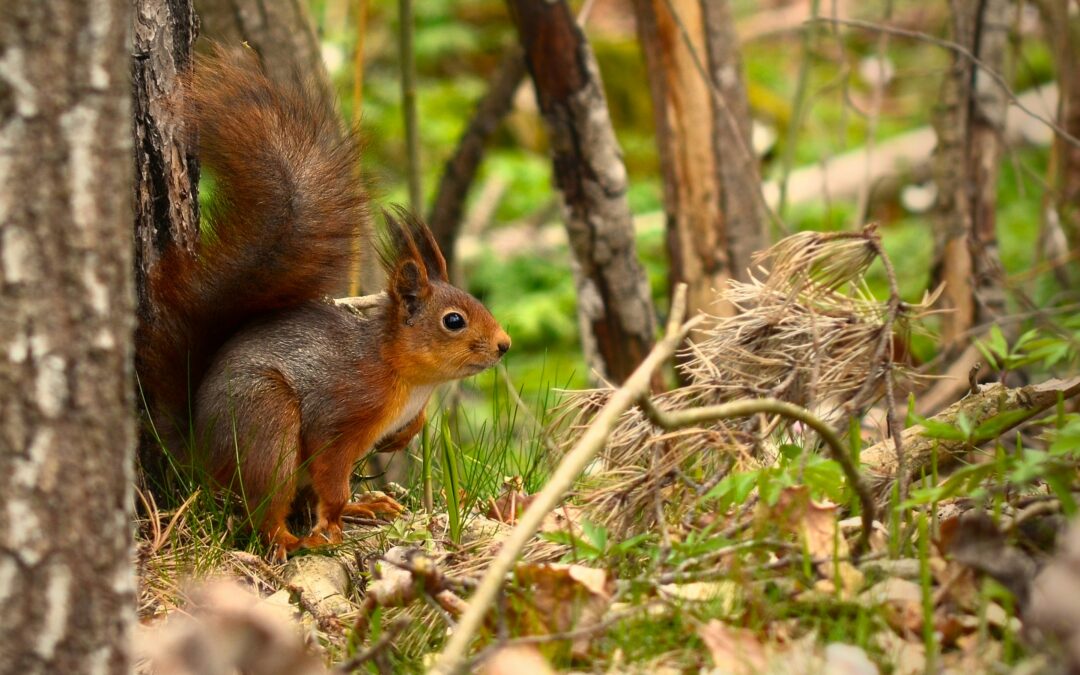
If you’ve ever had squirrels digging up your garden, chewing through your attic insulation, or raiding your bird feeders, you already know how persistent they can be. They might look cute, but squirrels cause a surprising amount of damage around homes and gardens. Because of this, people often look for natural and safe ways to keep them away without resorting to harsh chemicals or traps. One popular suggestion you may have come across is using peppermint oil. But does peppermint oil actually repel squirrels? From my own personal experience, I can tell you there’s more to the story than a simple yes or no.
This post will break everything down clearly. We’ll look at how peppermint oil works, why people believe it repels squirrels, what science says about it, and how you can use it in practical ways. I’ll also share both the benefits and the downsides so you know exactly what to expect before trying it.
Why People Turn to Peppermint Oil
Peppermint oil has been used for centuries for different purposes. It’s known for its fresh scent, cooling effect, and antibacterial properties. But one of the biggest reasons people use it outdoors is its strong smell. Essential oils, especially peppermint, carry a sharp aroma that many animals dislike.
When it comes to squirrels, the logic is simple: their sense of smell is far stronger than yours. They rely on scent for finding food, marking territory, and staying safe. A strong smell like peppermint can overwhelm them, making an area feel unpleasant or even unsafe. That’s why so many people suggest trying it as a repellent.
Let’s Understand How Peppermint Oil Work Here
Peppermint oil contains menthol, which gives it that sharp, cool smell. To you, it may be refreshing, but to a squirrel, it can be intense and irritating. Imagine walking into a room filled with overly strong perfume, you’d want to leave right away. That’s the effect peppermint oil is supposed to have on squirrels.
However, there’s something important to understand. Peppermint oil doesn’t harm squirrels. It doesn’t poison them or cause any long-term issues. It simply makes the area less attractive. This means it works more as a deterrent than a permanent solution.
Where Squirrels Cause the Most Trouble
To see where peppermint oil may be useful, let’s first look at the common areas squirrels invade:
- Attics and Roof Spaces – Squirrels often sneak into attics during cold months. Once inside, they chew wires, shred insulation, and create nests.
- Gardens and Lawns – They dig up bulbs, chew young plants, and bury food, leaving messy patches behind.
- Bird Feeders – They raid feeders constantly, scaring away birds and eating large amounts of seed.
- Decks and Sheds – Squirrels sometimes hide under porches or in sheds, leaving droppings and gnawing wood.
These are the spots where peppermint oil may help, since they’re areas you want to protect without using harsh chemicals.
How to Use Peppermint Oil Against Squirrels
If you decide to try peppermint oil, you’ll want to apply it in the right way to make it effective. Here are the most common methods:
1. Cotton Balls Soaked in Oil
One of the simplest methods is soaking cotton balls in pure peppermint oil and placing them where squirrels are active. This works best in enclosed spaces like attics or garages. You’ll need to replace or re-soak the cotton every few days because the smell fades.
2. Spray Solution
You can create a spray by mixing peppermint oil with water and a bit of dish soap (to help it stick to surfaces). Spray this around your garden beds, entry points, or bird feeder poles. Keep in mind rain will wash it away, so you’ll need to reapply often.
3. Cloth Strips or Sachets
For larger outdoor areas, some people soak cloth strips or small sachets in peppermint oil. You can hang them around gardens or tie them to fences. They work similarly to cotton balls but are easier to spread across a bigger area.
4. Diffusers Indoors
In attics or basements, an essential oil diffuser can release peppermint scent continuously. This can help discourage squirrels from nesting there, but it works best if you already sealed entry points.
Benefits of Using Peppermint Oil
There are a few reasons why peppermint oil appeals to people looking for natural repellents:
- Safe for Humans and Pets – Unlike harsh chemical sprays, peppermint oil is safe if used in small amounts.
- Eco-Friendly – It doesn’t harm the environment.
- Easy to Use – You don’t need special equipment. A simple spray bottle or cotton ball works.
- Fresh Scent – While squirrels hate it, most people find peppermint refreshing.
- Temporary Relief – It can provide quick results, especially in small enclosed areas.
Downsides You Should Know
While peppermint oil can help, it’s not a magic fix. Here are some downsides:
- Short-Lived Effect – The smell fades quickly, especially outdoors in rain or wind.
- Frequent Reapplication Needed – You’ll need to reapply every few days for it to work.
- Not a Standalone Solution – Peppermint oil alone won’t stop determined squirrels if you don’t also block entry points or secure food sources.
- Possible Irritation for Pets – While generally safe, some pets may find the strong smell irritating if used in high amounts.
What Science and Experience Suggest
Research on essential oils as squirrel repellents is limited. Most evidence comes from personal reports and small-scale tests rather than large scientific studies. Still, many gardeners and homeowners swear by peppermint oil as part of their squirrel-control strategy.
Based on my overall experience, peppermint oil works best when used as part of a broader approach. For example, sealing attic holes, using squirrel-proof bird feeders, and then adding peppermint oil for extra deterrence can actually make a difference. If you rely on peppermint oil alone, squirrels may adapt to the smell over time.
Practical Tips for Making It Work
If you want the best results, here are some tips to keep in mind:
- Combine with Physical Barriers – Seal entry points with wire mesh or metal flashing. Peppermint oil works better as a reinforcement than as your only tool.
- Reapply Frequently – Don’t assume one spray will last. Keep refreshing the scent.
- Focus on Small Areas – It’s more effective in enclosed or limited spaces like attics than wide-open yards.
- Try Alongside Other Smells – Some people mix peppermint oil with vinegar or cayenne pepper for a stronger effect.
Alternatives to Peppermint Oil
If peppermint oil doesn’t give you the results you want, there are other natural and practical options:
- Cayenne Pepper – Sprinkling this around plants or mixing it into birdseed can deter squirrels.
- Garlic Spray – The strong smell of garlic can work similarly to peppermint oil.
- Predator Urine – Some garden stores sell fox or coyote urine granules to scare squirrels away.
- Motion-Activated Sprinklers – These spray water when an animal comes near, scaring squirrels without harm.
- Squirrel-Proof Feeders – If birdseed is the main issue, investing in feeders designed to keep squirrels out can be very effective.
Is Peppermint Oil Worth Trying?
So, does peppermint oil repel squirrels? The honest answer is yes, but only to a certain degree. It can make areas less appealing, and it works best as part of a combined strategy. You should think of peppermint oil as a short-term helper rather than a long-term solution.
If you’re dealing with squirrels in your attic or garden, it’s definitely worth trying because it’s inexpensive, natural, and safe. Just be prepared for the upkeep of reapplying and combining it with other measures.
Final Thoughts
Squirrels are persistent, curious, and sometimes destructive. Finding a natural way to repel them makes sense, especially if you don’t want to use harsh chemicals. Peppermint oil stands out because it’s simple, affordable, and widely available. From my own personal experience, I’ve found that it helps reduce squirrel activity when combined with sealing entry points and using barriers. It doesn’t remove the problem forever, but it gives you an extra tool to protect your space.
If you’re patient and consistent with reapplying, peppermint oil can make your home and garden less inviting to squirrels. And if you mix it with other natural methods, you’ll have a stronger chance of keeping these furry intruders at bay.