
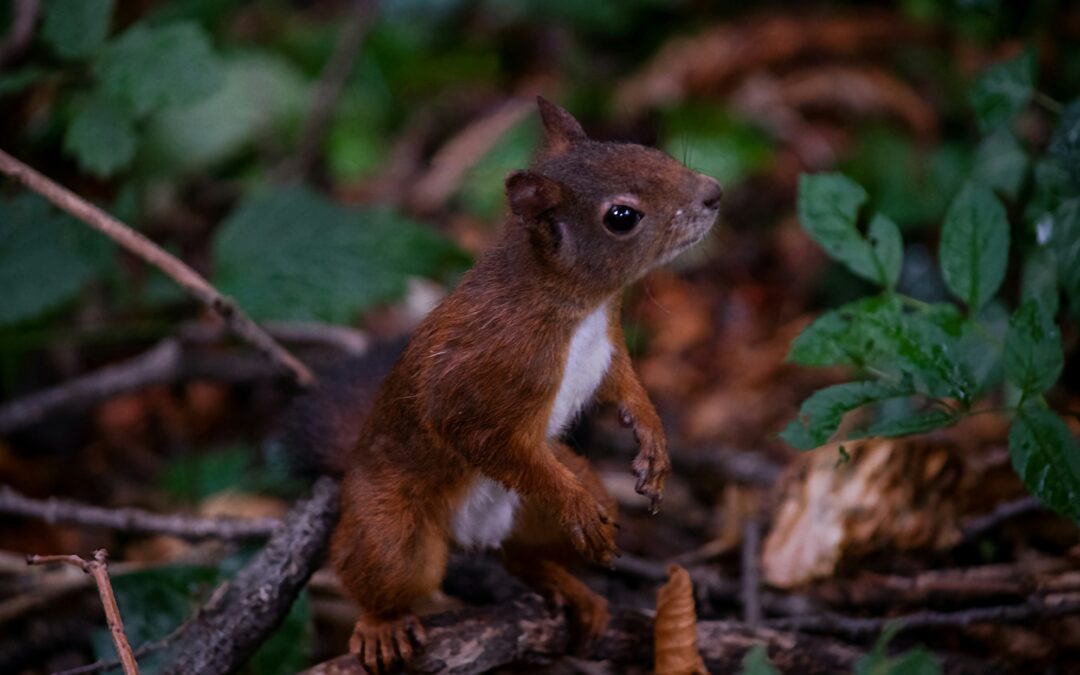
Squirrels are among the most familiar creatures in urban and rural areas. From city parks to forest trails, these little rodents capture attention with their bushy tails, rapid movements, and adorable antics. But when it comes to understanding their biology, many questions arise. One surprisingly common query is: Do squirrels have testicles?
At first glance, it might seem like a simple question. After all, we know male mammals generally have testicles. But squirrel anatomy is more nuanced than you might think. Let’s explore everything about squirrel reproductive biology, why people ask this question, and some fun facts you probably haven’t heard before.
Squirrel Anatomy Basics
Before jumping straight to reproductive organs, it’s essential to understand squirrel anatomy. Squirrels belong to the rodent family Sciuridae, which includes tree squirrels, ground squirrels, and flying squirrels. Male squirrels are called bucks, females are does, and babies are called kits or pups.
Male squirrels, like most mammals, have testicles. However, their testicles are not always obvious. Unlike humans, where male reproductive organs are mostly external and easy to spot, squirrel testicles can be hidden and even retractable depending on the season.
Where Are Squirrel Testicles Located?
This is where things get interesting. Squirrel testicles are scrotal, meaning they are located outside the body in a pouch called a scrotum. But unlike other mammals with consistently visible testicles, squirrels’ reproductive organs can appear to shrink or retract.
During non-breeding seasons, male squirrels’ testicles can retract into the abdomen, making them practically invisible. This adaptation helps protect the organs from cold weather, injury, and predators. As breeding season approaches, usually in late winter to early spring, the testicles enlarge and become visible outside the body, ready for reproduction.
So, the short answer: yes, squirrels have testicles, but they’re not always noticeable.
How Big Are Squirrel Testicles?
Squirrel testicles are relatively small, especially when compared to body size, but during mating season, they can double or triple in size. On average, a mature male squirrel’s testicles measure about 1 to 2 centimeters in length during the off-season but can swell to 2 to 4 centimeters when it’s time to mate.
Interestingly, their size also reflects reproductive readiness. Larger testicles during the breeding season mean higher sperm production, which is crucial since squirrels have a short mating period and intense competition among males.
Why Do Squirrel Testicles Retract?
The retractable nature of squirrel testicles is an evolutionary adaptation. Here’s why it happens:
- Temperature regulation: Sperm production is temperature-sensitive. Keeping testicles close to the body during cold weather prevents freezing and maintains optimal sperm viability.
- Predator protection: A squirrel’s scrotum is vulnerable. Retracting testicles into the body during danger or cold conditions minimizes the risk of injury.
- Energy conservation: Reduced blood flow during non-breeding periods allows the squirrel to conserve energy when reproduction is not a priority.
From my own personal experience observing squirrels in the park, male squirrels seem more active and bold during mating season. That’s no coincidence, reproductive activity is in full swing when testicles are prominent.
Squirrel Mating Season and Testicle Visibility
Squirrels generally have two main breeding seasons per year: late winter and summer. During these times, males develop visible testicles and compete aggressively for mates.
- Early Spring (January to March in the Northern Hemisphere): This is the primary mating season. Male squirrels’ testicles swell, and they become more active, chasing females around their territory.
- Summer Litter (May to July): A secondary breeding season occurs in some squirrel species, leading to slightly less prominent testicle enlargement.
Outside these windows, testicles shrink and are nearly invisible, which often surprises people who wonder why they can’t spot them year-round.
Differences Between Tree Squirrels and Ground Squirrels
Not all squirrels are created equal. Tree squirrels, like the Eastern Gray Squirrel, and ground squirrels, like the California Ground Squirrel, have slight differences in reproductive anatomy:
- Tree squirrels: Their testicles are smaller relative to body size but become highly visible in spring. They tend to be more territorial and exhibit aggressive courtship behaviors.
- Ground squirrels: Testicles are slightly larger proportionally and may be easier to spot because ground squirrels have a more open habitat with less tree cover.
Flying squirrels, being nocturnal, are a bit trickier to study. Their reproductive organs behave similarly but are harder to observe due to nighttime activity.
How Do Squirrel Testicles Function?
The primary function of testicles in any male mammal is sperm production and testosterone secretion, and squirrels are no exception. Testosterone regulates mating behavior, aggression, and territoriality.
Male squirrels rely on their testicles for successful reproduction. During mating season:
- Testicles enlarge to boost sperm production.
- Testosterone levels peak, increasing chasing, fighting, and scent-marking behaviors.
- The visible scrotum signals sexual maturity to females and rival males.
Essentially, a squirrel’s testicles are the engine behind its reproductive success.
Common Myths About Squirrel Testicles
Over the years, several myths have circulated about squirrels:
- “Squirrels don’t have testicles”: False. They do, but they’re retractable.
- “All squirrels show their testicles year-round”: False. Size and visibility fluctuate with the season.
- “Testicle size indicates a dominant male”: Partially true. Larger testicles during breeding season indicate reproductive readiness, but dominance also depends on agility, territory control, and experience.
It’s fascinating how a small organ can influence so much behavior in these tiny mammals.
How Can You Tell a Male Squirrel from a Female?
For those curious about identifying male squirrels, testicles are the easiest clue, but again, timing is key. During breeding season, look for a bulge near the base of the tail; that’s the scrotum. Outside of breeding season, you might need to rely on other features:
- Body size: Males are often slightly larger.
- Behavior: Aggressive chasing and territorial marking often signal males.
- Genital inspection: This is tricky and should be done ethically, often by wildlife professionals.
Squirrel Reproductive Lifespan
Male squirrels reach sexual maturity around 9 to 12 months of age. Once mature, they produce sperm and have functional testicles for life. Lifespan in the wild is typically 6–12 years for tree squirrels and shorter for ground squirrels due to predation.
Testicles remain functional for most of their lifespan, adjusting size according to seasonal reproductive demands. In this sense, the testicles are not just anatomical features, they are essential to the survival of the species.
Fun Facts About Squirrel Reproduction
- Squirrels can have two litters per year, making testicle size fluctuations even more significant.
- Male squirrels may compete fiercely for a single female, with fights that are more intense than many people realize.
- Female squirrels can store sperm for short periods, meaning timing with male reproductive readiness is crucial.
From my own personal experience watching squirrels in my backyard, it’s incredible how much energy males put into mating season. Their scurrying, vocalizations, and acrobatics are all linked to reproductive hormones and, by extension, their testicles.
Why People Ask About Squirrel Testicles
People ask this question out of curiosity, fascination, or concern for wildlife observation. Often, it’s about distinguishing males from females, understanding behavior, or just satisfying a natural curiosity about the animal kingdom.
Interestingly, squirrels serve as a great example of seasonal reproductive adaptations in mammals. Their retractable testicles highlight how anatomy can change based on environmental pressures, survival strategies, and reproduction.
Wrapping It Up
So, do squirrels have testicles? The answer is an unequivocal yes. But like many features in nature, the details matter. Squirrel testicles are small, retractable, and seasonal. They swell during breeding season, shrink during off-season, and play a critical role in reproduction and behavior.
From my own personal experience observing squirrels in parks and backyards, male squirrels’ reproductive activity is fascinating. Testicles aren’t just anatomical features, they influence almost everything a male squirrel does during mating season, from chasing females to defending territory.
The next time a squirrel darts across a lawn, remember: there’s a lot more going on under that fluffy tail than meets the eye. Their small, hidden testicles are tiny engines powering an impressive reproductive strategy that has allowed squirrels to thrive for millions of years.