
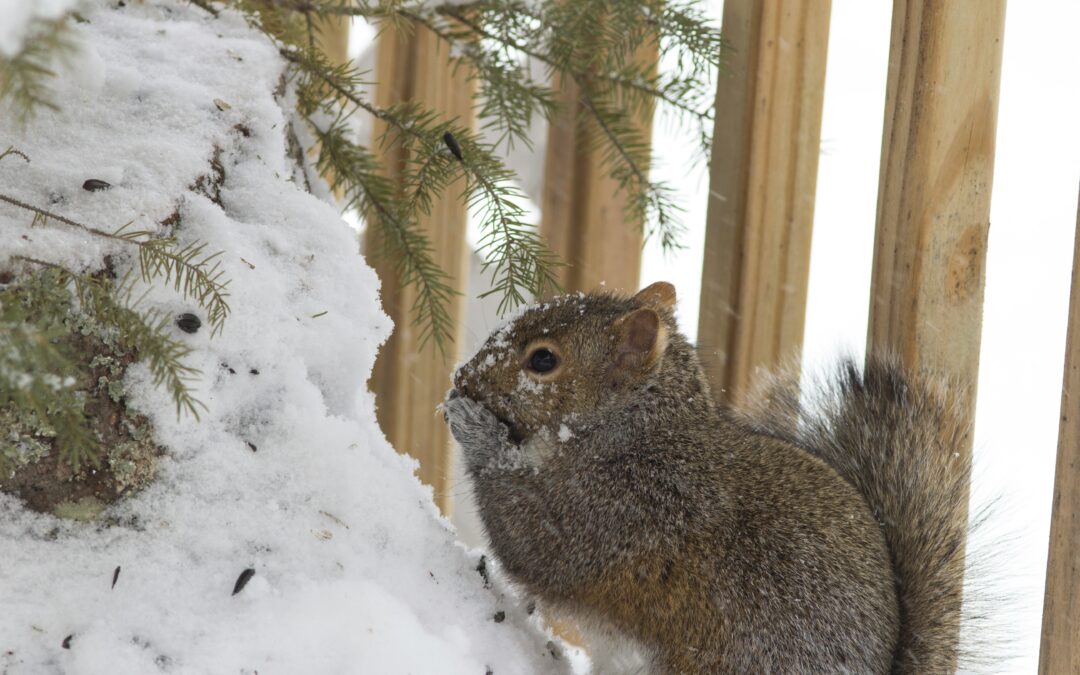
Squirrels are everywhere. You see them darting across backyards, climbing trees, and chasing each other with quick bursts of energy. They look busy all year, but then winter arrives, and suddenly, they seem less visible. This makes people wonder: do squirrels hibernate? The answer is not as simple as a yes or no. Some types of squirrels do hibernate, while others stay active throughout the cold months. From my own personal experience, noticing how few squirrels show up around bird feeders in deep winter got me curious about what really goes on with them. Understanding their behavior means looking at different species, their survival strategies, and how they adapt to changing seasons.
The Idea of Hibernation
Before breaking it down by squirrel type, it helps to understand what hibernation really means. Hibernation is not just sleeping for months. It is a deep state where an animal’s body temperature, breathing, and heart rate drop to conserve energy. Animals do this when food becomes scarce and temperatures drop too low for normal survival. While some animals like bears enter what’s called torpor, which is a lighter form of hibernation, others like ground squirrels go into true hibernation where their systems nearly shut down. This distinction matters because not all squirrels behave the same way.
Ground Squirrels: The True Hibernators
Ground squirrels are the real hibernators of the squirrel family. These include species like the thirteen-lined ground squirrel and the Arctic ground squirrel. When winter sets in, these squirrels retreat underground. Their burrows become survival bunkers where they stay for months. Their body temperature drops so much that it nearly matches the soil around them. Their heartbeat slows dramatically, and their breathing becomes minimal.
The Arctic ground squirrel is especially fascinating. It can lower its body temperature below freezing without freezing solid, something almost no other mammal can do. Scientists study them closely to understand how their cells survive such extreme cold. For ground squirrels, hibernation is not just helpful—it is absolutely necessary. Without it, they would not make it through harsh winters where food supplies vanish.
Tree Squirrels: The Survivors Without Hibernation
Tree squirrels, like the gray squirrel, red squirrel, and fox squirrel, take a completely different approach. They do not hibernate. Instead, they prepare for winter months ahead of time. You might see them in autumn rushing around, collecting nuts, acorns, and seeds. They bury these in scattered hiding spots, a behavior known as caching. This food storage strategy allows them to survive the cold season without needing to shut down their bodies.
Even in winter, tree squirrels stay active. They may be less visible, but they emerge from their nests or dens to retrieve food. They build warm, leafy nests high in trees or take shelter in hollow trunks. On especially frigid days, they may stay tucked away, but once the weather eases, they come back out. This explains why you might see them one day and then not again until the sun returns.
Flying Squirrels: A Nighttime Twist
Flying squirrels add another layer to the story. These creatures do not hibernate either. Instead, they rely on group warmth and clever survival habits. Flying squirrels are nocturnal, so spotting them is already harder than daytime squirrels. In winter, they often share nests with others to keep warm. A single tree cavity can hold several flying squirrels huddled together. This shared body heat helps them conserve energy when nights get bitterly cold.
Their diet shifts slightly in winter too. When fresh fruits and insects are not available, they turn to nuts, fungi, and tree bark. By staying active all year, flying squirrels prove that survival is not always about shutting down—it can also be about working together.
How Food Storage Defines Survival
Caching is at the heart of how non-hibernating squirrels make it through winter. Tree squirrels, especially, rely on this system. They gather and hide food in multiple locations, which helps reduce the risk of losing everything to one thief or accident. The incredible part is how they remember where these hiding spots are. Studies show squirrels use both memory and smell to relocate their caches.
Of course, not every stash is recovered. Some forgotten acorns sprout into new trees, which makes squirrels accidental foresters. Without meaning to, their food hoarding helps forests renew themselves. This is one of the most fascinating ways animal behavior shapes entire ecosystems.
Winter Nests: The Warm Hideouts
Another reason squirrels do not always need hibernation is their ability to create well-insulated shelters. Tree squirrels build leafy nests called dreys, usually tucked in tree branches. They weave sticks and leaves tightly, then line the inside with softer materials like moss, grass, or shredded bark. In cold months, these dreys become essential for survival.
Sometimes, squirrels choose hollow trees instead. These natural shelters provide stronger protection from wind, snow, and predators. In especially harsh winters, squirrels may share a nest with others. Group living helps them stay warmer without spending as much stored energy. This flexible strategy makes up for their lack of true hibernation.
Why You See Fewer Squirrels in Winter
People often think squirrels vanish in winter because they are hibernating. In reality, they are just less active. When temperatures drop too low, squirrels limit their time outside to conserve energy. They time their outings around milder hours of the day and stick close to their food stores. This reduced visibility tricks people into believing they are gone or asleep for months.
You are more likely to spot them after snowstorms when they need to dig through snow to find their caches. Bird feeders also become a popular stop for hungry squirrels in winter, which explains why so many show up in backyards during January and February.
Regional Differences in Behavior
Not all squirrels live under the same conditions, so their behavior varies by region. In warmer climates, squirrels do not need as much preparation for winter since food sources do not vanish completely. In contrast, squirrels in northern areas face months of freezing temperatures and snow cover, which forces them to rely more heavily on food storage and nesting strategies. Ground squirrels in colder regions hibernate for survival, while tree squirrels simply adapt with caching and sheltering. This regional variation shows how flexible and resourceful squirrels can be as a group.
Misconceptions About Squirrel Hibernation
Many myths exist about squirrels and hibernation. One common belief is that all squirrels sleep through the winter. As we have seen, this is only true for ground squirrels. Another myth is that squirrels remember every single nut they bury. In truth, they lose track of many, and this forgetfulness is what helps plant new trees. Another misconception is that squirrels starve in winter if they lose their food stores. While this can happen, squirrels are skilled opportunists. They raid bird feeders, forage for bark, and even dig up other animals’ caches when desperate.
The Bigger Picture: Why It Matters
Understanding squirrel behavior in winter does more than satisfy curiosity. It highlights how animals adapt in unique ways to survive. It shows how food storage, shelter building, and even community living play roles just as important as hibernation. It also reminds people how closely squirrels are tied to the environment. Every acorn left behind contributes to new growth, which keeps forests healthy. By appreciating how squirrels manage survival, people can also think more about protecting habitats and food sources that support them.
From My Overall Experience Observing Wildlife
Based on my overall experience watching wildlife, squirrels are some of the most fascinating animals to study in winter. They may not always be visible, but knowing what they are up to changes how you see a quiet yard or forest in January. Every rustle in the snow, every hole dug under a tree, and every sudden appearance at a feeder is part of a larger survival strategy that is both practical and intelligent.
Conclusion
So, do squirrels hibernate? The short answer is only some do. Ground squirrels hibernate deeply, shutting down their systems for survival. Tree squirrels and flying squirrels stay active year-round, relying on food storage, warm nests, and group living to make it through the cold. While their strategies differ, they all show an incredible ability to adapt. From my own personal experience, seeing how they prepare for winter made me realize that hibernation is not the only path to survival, it is one of many smart solutions nature has designed. Next time you notice fewer squirrels around, remember they are not asleep for the season. They are out there, surviving, adapting, and even planting the future forests without meaning to.