
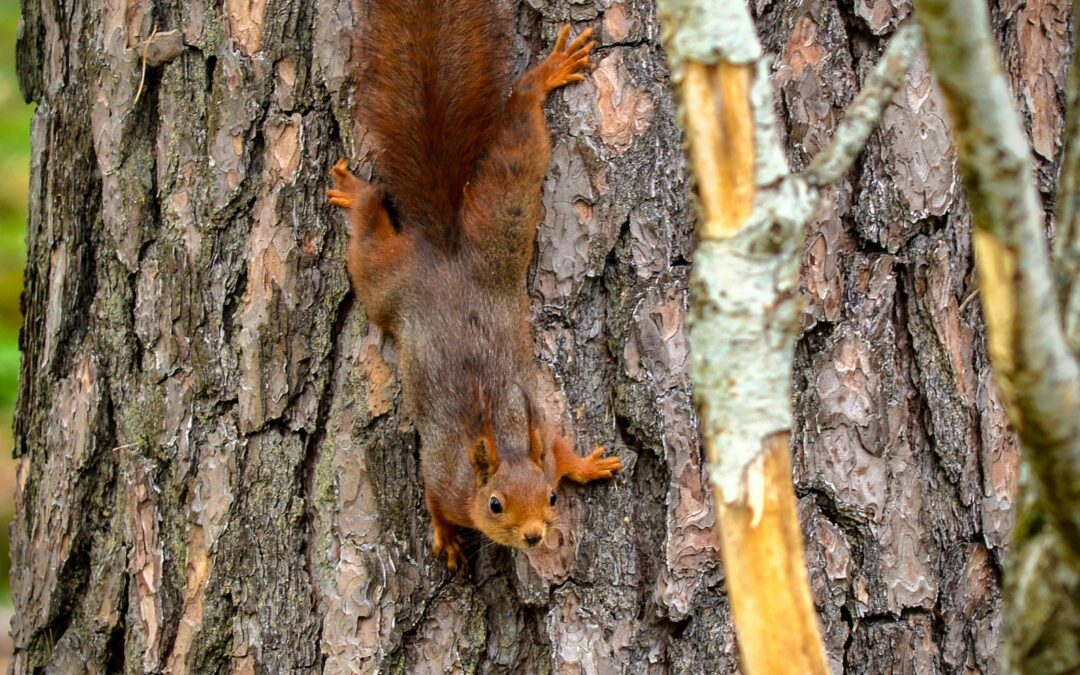
A Small Animal with a Big Reputation. Red squirrels often spark debate. They are small, quick, and undeniably charming to watch, but the question many ask is simple: Are red squirrels destructive? The answer is not black and white. Like many animals, red squirrels can bring both beauty and trouble, depending on where they live and how people interact with them. From my own personal experience, watching these animals has shown me that while they can be fascinating, they also come with habits that sometimes clash with human spaces.
This blog dives deep into their behavior, their impact on nature, their effect on homes, and whether or not people should view them as destructive. By the end, you will have a full picture of what red squirrels actually do and how to deal with them if they become too much.
What Makes Red Squirrels Stand Out
Red squirrels are smaller than their gray cousins, with a reddish-brown coat, fluffy tail, and tufted ears that give them a distinct look. People love spotting them in forests or gardens. They are quick climbers, bold when searching for food, and can live comfortably in both trees and human-made structures.
The reason they sometimes get called destructive is linked to these traits. Their agility and intelligence help them access areas most animals would never reach. Their teeth, which grow continuously, mean they chew to keep them trimmed. And their instinct to gather and store food often puts them in direct contact with homes, sheds, and gardens.
The Natural Role of Red Squirrels
Before labeling them as destructive, it’s important to see their role in nature. Red squirrels play a big part in forest growth. They collect nuts and seeds and often bury or hide them. Not all of these get eaten later, so many germinate into new trees. This makes them small but effective forest gardeners.
By spreading seeds and supporting forest regeneration, they help keep ecosystems balanced. Without squirrels, many areas would have fewer young trees sprouting naturally. In this way, red squirrels contribute more positively than people might think.
Why People Call Red Squirrels Destructive
Despite their role in nature, red squirrels sometimes create problems in human settings. The label “destructive” usually comes from these main areas:
- Chewing and Gnawing
Red squirrels need to chew constantly. This habit is fine in the forest where branches, bark, and natural debris provide outlets. But inside homes or sheds, it can lead to chewed wood, wires, or insulation. Chewing on electrical wires can even create fire risks. - Nesting in Roofs or Attics
Red squirrels often find shelter in attics, barns, or garages. They gather leaves, moss, and materials to build nests. Once inside, they can make a lot of noise, leave droppings, and damage insulation. - Impact on Gardens
They enjoy digging up bulbs, raiding bird feeders, or chewing on young plants. For gardeners, this can feel destructive because it undoes hours of effort. - Competition for Resources
Although less intense than the gray squirrel, red squirrels still compete with birds and other small animals for food sources like seeds, nuts, and berries.
Are They More Destructive Than Gray Squirrels?
A fair comparison helps. Gray squirrels are often considered more invasive and more destructive, especially outside their native range. Red squirrels are smaller and less aggressive, but their chewing habits are similar. The main difference is scale. In regions where gray squirrels dominate, people often overlook red squirrels’ damage because it seems smaller.
That said, if red squirrels are the main squirrel species in an area, people notice their presence more and see them as a direct source of damage.
Inside Homes: The Real Problem
When red squirrels break into homes, the trouble begins. Their size allows them to slip through gaps under roof tiles, loose vents, or cracks in wood. Once inside, they can:
- Tear up insulation to use for nests.
- Chew wooden beams, which weakens structures over time.
- Damage stored items like boxes, fabrics, or old furniture.
- Leave behind urine and droppings that create odors.
For homeowners, this is where the destructive label becomes real. Unlike outside in nature, where their habits are useful, inside they create costly repairs.
Red Squirrels in Gardens
Gardens attract red squirrels because food is often abundant. Bird feeders, compost heaps, fruit trees, and planted bulbs all provide snacks. They might dig into soil to bury nuts or dig up bulbs to eat them. This leaves visible damage, like holes in flower beds or missing plants.
Still, calling this truly destructive depends on perspective. A gardener may see a ruined flowerbed as destruction, while in reality, the squirrel is only following natural instincts.
Based on My Overall Experience
Based on my overall experience observing red squirrels, they are resourceful rather than malicious. Their actions that people label as destructive come from survival needs, not spite. They chew to manage teeth, gather food to survive winters, and find safe nesting spaces. The problem starts when human spaces overlap with these needs.
How to Tell If You Have Red Squirrels Around
If you’re unsure whether red squirrels are causing issues in your home or garden, look for signs like:
- Scratching or scurrying sounds in attics or walls.
- Small entry holes under roof edges.
- Chewed wires, wood, or insulation.
- Piles of nutshells or cones near nesting spots.
- Dug-up flower beds or disturbed soil.
These clues help you know if red squirrels are around and if their activity is leading to damage.
Preventing Red Squirrel Damage
Rather than waiting until they cause problems, it’s better to prevent access. Here are practical steps:
- Seal gaps in roofs, vents, and walls where squirrels might enter.
- Use squirrel-proof bird feeders to limit easy food sources.
- Store pet food, birdseed, and compost securely.
- Trim tree branches near roofs so squirrels can’t jump across easily.
- Use humane deterrents like scent repellents or ultrasonic devices to discourage nesting.
The Positive Side People Overlook
Despite their chewing and digging, red squirrels bring benefits. They are fun to watch, add life to woodlands, and play a role in forest renewal. Many conservation programs even work to protect them, especially in regions where their numbers are dropping. Their presence often signals healthy woodland ecosystems.
Why “Destructive” Might Be the Wrong Word
When people ask “Are red squirrels destructive?” the answer depends on context. In forests, they are builders of new life, spreading seeds and supporting growth. In homes, they can cause real damage. But the intent is survival, not destruction. Using the word “destructive” might misrepresent their behavior.
They are problem-creators in the wrong setting, but in the wild, they are part of the balance that keeps forests alive.
What You Can Do If They Become a Problem
If red squirrels are in your home, the best solution is humane removal. Professional wildlife services can trap and relocate them safely. After removal, sealing entry points is key. Never ignore the problem, because squirrels won’t leave on their own if they’ve found warmth and food.
In gardens, sharing space may be easier. Protecting certain plants with mesh, using feeders designed to keep them out, or planting extra bulbs can help reduce the impact. Sometimes, accepting their presence with small adjustments leads to fewer frustrations.
Final Thoughts
So, are red squirrels destructive? The truth is that they are only destructive when their needs overlap with human spaces. In the forest, they are helpers that spread seeds and create healthier woodlands. In homes, they can chew wires, damage insulation, and dig up gardens, which feels destructive from a human perspective.
From my own personal experience, watching red squirrels has shown me that their habits come from instinct, not malice. They are survivors, using every skill they have to live. If you see them as destructive, it usually means they have come too close to your home or garden. If you see them in nature, you might instead view them as energetic little workers who help the forest grow.
By understanding them fully, you can decide how to respond, whether that’s protecting your home more carefully, finding ways to share your garden, or simply enjoying their presence as part of nature’s cycle.