
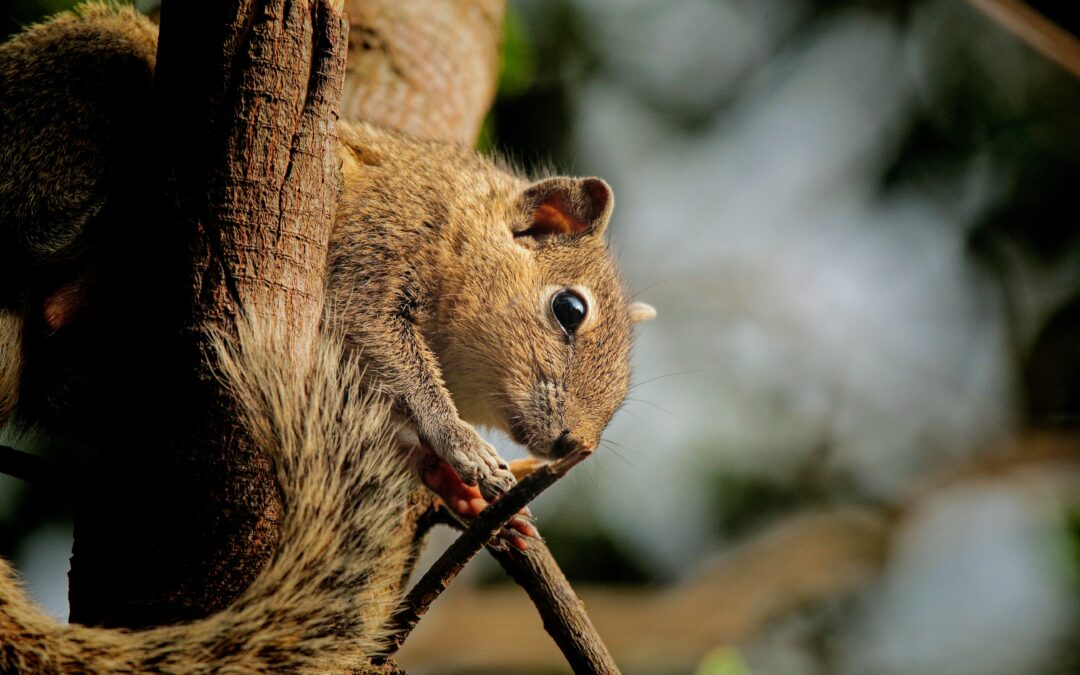
If you’ve ever had a squirrel invade your attic, chew wires in your garage, or raid your bird feeder, you probably thought about trapping it and setting it free somewhere far away. On the surface, that feels humane. But here’s the thing: in many places, it’s actually illegal to release a trapped squirrel into the wild. That sounds strange, right? Why would anyone make a law about something so simple? The answer is deeper than most people expect, and it’s tied to animal welfare, public health, and the environment.
What the Laws Are Really Saying
Wildlife laws vary depending on where you live, but one rule shows up in many regions: you can trap a squirrel if it’s a nuisance, but you can’t just let it go wherever you like. Instead, the animal has to be euthanized or relocated through a licensed wildlife professional. These laws sound strict, but the reasons behind them make more sense once you dig into the risks.
Relocation Doesn’t Work the Way You Think
A common belief is that if you release a squirrel into a park or wooded area, it will happily scamper off, find food, and live a long life. But wildlife experts say it rarely happens that way. When a squirrel is dropped into a new territory, it usually struggles to survive. The local squirrels already claim the area and guard their food sources. The newcomer doesn’t know where to find shelter, safe nesting spots, or reliable food. Many relocated squirrels die within days or weeks from starvation, fights, or exposure.
From my own personal experience, I once watched a neighbor trap a squirrel and release it into a wooded lot about ten miles away. At first, it seemed like the animal was free and safe. But later, I learned from a wildlife officer that such squirrels rarely survive more than a short time. It was an eye-opener for me and changed how I looked at “humane” relocation.
The Spread of Disease
Another big reason behind the law is disease control. Squirrels, like many wild animals, can carry parasites such as fleas, mites, and ticks. Some of these pests can spread illnesses like Lyme disease or even plague in certain areas. If you move a squirrel from one location to another, you risk spreading parasites and pathogens to populations that weren’t exposed before. What seems like an act of kindness can actually trigger a small outbreak of problems for both animals and humans.
Protecting the Local Ecosystem
Every ecosystem is a balancing act. When a new squirrel is introduced to an area, it can tip that balance. Even though squirrels are common, dropping one into a new location can add pressure on local food sources and nesting sites. In suburban or urban areas, where habitats are already tight, this can cause more conflict between wildlife and people. Laws against releasing trapped squirrels are meant to reduce this kind of disruption.
Ethical Questions Behind Relocation
Many people trap squirrels because they don’t want to kill them. The intention is good, but the outcome often isn’t. Relocation is stressful for the animal. Imagine being captured, transported miles away, and then dropped into completely unfamiliar territory. The squirrel has no map, no knowledge of where food is, and no idea which predators are nearby. Most don’t make it. Wildlife biologists often argue that humane euthanasia is less cruel than relocation, even though it’s hard for people to accept.
Human Safety Concerns
Laws against releasing squirrels aren’t only about protecting the animals—they’re also about keeping people safe. If you release a trapped squirrel near a neighborhood or public space, that animal may get into someone else’s home, chew electrical wires, or cause property damage. You’ve just shifted your problem to another person, which is unfair and unsafe.
A History of Wildlife Regulations
The idea of banning the release of trapped animals didn’t just appear overnight. Over the past century, as urban areas expanded and human-wildlife conflicts grew, lawmakers saw the need to regulate how people handle wild animals. Without rules, people relocated animals wherever they pleased, which led to disease outbreaks, property damage, and ecosystem problems. Laws evolved as a way to protect both wildlife and communities from these side effects.
What Actually Happens If You Do It Anyway
If you decide to trap and release a squirrel without following the law, the consequences can vary. In many states or countries, you could face fines. Some places treat it as a minor offense, while others impose hefty penalties. Beyond the legal trouble, you also risk public backlash if neighbors or local officials find out. What feels like a small, harmless action is taken seriously by wildlife authorities.
What You Can Do Instead
If you’re dealing with a squirrel problem, you have better options than trapping and releasing. Wildlife control professionals can guide you through safe and legal methods. Exclusion is one of the most effective approaches. This means sealing entry points in your home so squirrels can’t get in, and using deterrents like one-way doors that allow animals to leave but not come back. It solves the problem without moving the squirrel into another area where it can’t survive.
You can also make your yard less attractive to them. Removing easy food sources like unsecured trash, bird seed, or fallen fruit goes a long way. Trapping should be the last resort, and if it’s necessary, it should be done through someone licensed who can handle the animal according to the law.
Why Laws Focus on Squirrels
You might wonder why squirrels, out of all animals, have such specific laws around them. The reason is simple: they’re one of the most common animals people try to trap and relocate. Unlike larger wildlife like deer or bears, squirrels live close to humans and often cause problems in homes, attics, or gardens. Because the issue is so widespread, laws had to be made to prevent harmful relocation practices.
The Emotional Side of the Debate
It’s natural to feel guilty about killing an animal, especially one as harmless-looking as a squirrel. Many people see them as cute, playful creatures, not pests. That emotional connection is what makes this subject so heated. Some argue that people should have the freedom to release animals if they want to. Others say laws exist to protect both wildlife and humans from the consequences of relocation. It’s a debate where emotions often clash with science.
Why Wildlife Professionals Support These Rules
If you talk to biologists, game wardens, or animal control officers, most of them will tell you the same thing: the laws are there for a reason. They’ve seen firsthand how relocation fails. They’ve documented the deaths of relocated animals, the spread of disease, and the property damage that comes when squirrels end up in someone else’s attic. Their support for the laws isn’t based on theory, it’s based on real outcomes.
The Bigger Picture of Wildlife Management
This issue with squirrels ties into the larger topic of how humans manage wildlife. As cities expand, conflicts with animals will only increase. The challenge is finding ways to live alongside wildlife without harming them or ourselves. Banning the release of trapped squirrels is just one piece of that puzzle. It’s a rule designed to create safer, more ethical solutions to a problem that almost every community faces.
Final Thoughts
So, why is it illegal to release a trapped squirrel? Because it often hurts the animal more than it helps, spreads disease, disrupts ecosystems, and creates new problems for people. The laws may feel harsh, but they’re built on years of observation and research. They push us to think beyond quick fixes and look for solutions that truly work.
From my own personal experience, I’ve come to see that what looks humane on the surface isn’t always best in practice. Releasing a trapped squirrel might ease your conscience, but it likely condemns the animal to a harder end. By understanding the reasons behind these laws, you can make better choices that respect both wildlife and your community.
If you’ve dealt with squirrels in your home, how did you handle it? Did you try exclusion, or did you consider trapping? I’d love to hear your thoughts and experiences in the comments.