
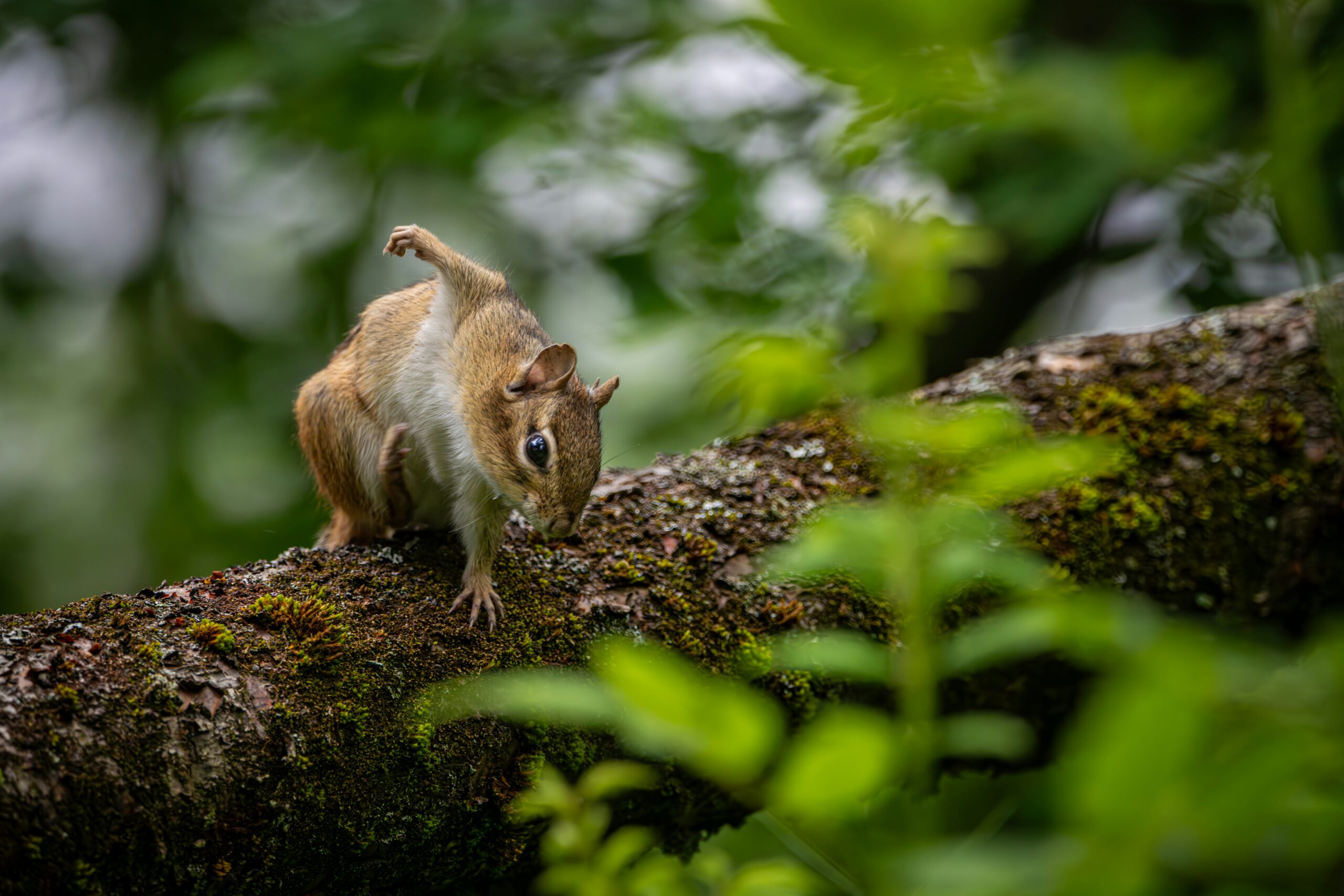
If you’ve ever thought about hunting squirrels in West Virginia, one of the first questions that comes up is: when exactly is squirrel season? Timing matters a lot because the season not only decides when you can legally hunt but also shapes the kind of experience you’ll have outdoors. From my own personal experience, I can tell you that knowing the season dates ahead of time makes the difference between a fun, relaxed hunt and a frustrating one. In this post, I’ll break everything down for you, giving you a complete look at squirrel season in West Virginia and what you can expect.
Why People Hunt Squirrels in West Virginia
West Virginia is well-known for its beautiful hills, thick woods, and strong hunting traditions. Squirrel hunting is one of the most common outdoor activities here, especially because it doesn’t require as much gear or preparation as bigger game hunts. People love it because it’s simple, affordable, and a great way to spend time outside. For beginners, it’s an easy way to learn hunting skills like patience, aim, and tracking without too much pressure. For seasoned hunters, it’s a nostalgic activity that often brings back memories of early hunting days.
The other reason squirrel hunting is so popular in West Virginia is the abundance of squirrels. Both gray and fox squirrels thrive in the state’s hardwood forests, making it a reliable hunting option year after year. Add to that the fact that squirrels are active in both early mornings and evenings, and you get plenty of chances to have a good day outdoors.
The General Time Frame of Squirrel Season
The official squirrel season in West Virginia usually begins in early September and extends all the way into late February. This long window gives you multiple months to plan your hunts and try different conditions. While some states only allow a shorter season, West Virginia offers one of the most generous time frames, which is great if you want to balance hunting with other seasonal activities like deer season or turkey season.
The early part of the season, around September and October, usually feels very different from the colder months. During these weeks, the woods are alive with green leaves, nuts dropping, and squirrels moving actively in search of food. Later, by December through February, the trees are bare, and the landscape feels more open. You’ll often spot squirrels running along the ground, leaving tracks in the snow, or moving through bare branches where they are easier to see.
Why the Season Starts in September
You might wonder why squirrel season doesn’t start earlier in the summer. The main reason is that late summer still leaves young squirrels vulnerable. By September, the populations are stable, young squirrels are grown enough, and the hunting pressure won’t harm the numbers for the next year. Wildlife agencies in West Virginia carefully manage this timeline to balance conservation with recreation. That’s why the September opening is both traditional and biologically practical.
What Makes Early Season Different
If you head out in September or October, you’ll notice that the hunting style is slightly different compared to later in the year. Early season squirrel hunting usually means dealing with dense foliage. Squirrels are harder to spot because of the leaves, but you can use their chatter, movements, and falling acorns as clues. Warm temperatures also make it comfortable to sit quietly for long periods, which is perfect for new hunters who want to ease into the sport.
During this time, squirrels are focused on gathering food. Hickory nuts, acorns, and walnuts are their main diet, so scouting near nut-bearing trees can give you a big advantage. If you find an area loaded with hickories, you’re almost guaranteed to see plenty of activity.
Hunting in the Cold Months
By the time December and January roll in, squirrel hunting takes on a different vibe. The cold thins out casual hunters, so the woods are quieter. Snow can add an extra layer of excitement since you can track movements more easily. From my own personal experience, hunting squirrels in the snow is one of the most rewarding things you can do because the contrast of the animals against the white background makes spotting them a lot simpler. Plus, the crisp air and calm woods create a peaceful setting.
During winter, squirrels eat a slightly different mix of foods. They dig up hidden nuts or chew on bark when supplies are scarce. You may have to move around more to locate them, but once you find a feeding area, you’ll likely see steady action.
Daily Hunting Hours
In West Virginia, squirrel hunting is legal from half an hour before sunrise until half an hour after sunset. These times matter because squirrels are most active in the early morning and late afternoon, so your best chances line up with legal hours anyway. Midday hunts can still work, but the pace slows down since squirrels rest more during the heat or cold of midday.
Planning your outing around these hours helps you maximize success. Arriving before daylight, finding a good spot, and waiting quietly often pays off within the first hour. Evening hunts can also be productive, especially if you set up near feeding trees.
Bag Limits and Regulations
West Virginia sets a daily bag limit of six squirrels per hunter, with a possession limit that’s typically around 24. These numbers can change slightly depending on updates, but the idea is to let hunters enjoy the sport while keeping populations strong. Following these limits is crucial because it ensures sustainable hunting for future years.
Licenses are required for hunting, and you need to make sure you carry the proper one, whether you’re a resident or nonresident. Special youth hunting days are sometimes scheduled, allowing younger hunters to get early experience with less competition in the woods.
Tips for a Successful Hunt
Success during squirrel season isn’t just about knowing the dates, it’s also about preparation and approach. Here are a few things that can make your season more productive:
- Scout areas before the season starts. Look for nut trees and signs of feeding.
- Use quiet movements. Squirrels notice sound and motion quickly, so slow, careful steps matter.
- Sit and wait. Sometimes staying still in a good spot brings better results than constant walking.
- Try small-caliber rifles or shotguns. Most hunters use a .22 rifle or a 20-gauge shotgun, depending on terrain and preference.
- Dress for the weather. Early fall may just need light clothes, while January hunts call for heavy layers.
Why West Virginia Stands Out for Squirrel Hunting
Not every state offers such a long and flexible squirrel season. West Virginia’s mix of hardwood forests, rolling hills, and public land access makes it especially inviting. The scenery alone is worth the trip, and when you add the hunting opportunities, it’s easy to see why so many people mark their calendars for squirrel season each year.
West Virginia also has a strong community of hunters. You’ll often meet others in the woods, at gas stations early in the morning, or at local diners after a hunt. It creates a sense of tradition and connection that’s as valuable as the hunt itself.
Personal Connection to the Season
Based on my overall experience, squirrel hunting in West Virginia isn’t just about filling a bag limit—it’s about the memories that come with it. Whether it’s heading out with family, teaching someone new, or just enjoying the quiet of the woods, the season offers something deeper than the hunt. The long season means you can create a rhythm with the land, watching it shift from the green of early fall to the bare branches of winter.
Final Thoughts
So, when is squirrel season in West Virginia? It stretches from early September all the way into late February, giving you nearly half a year to enjoy one of the state’s most traditional outdoor activities. The season is long enough to fit different hunting styles, different weather preferences, and plenty of opportunities for both new and experienced hunters. From my own personal experience, I can say that few things beat the calm of a cool morning in West Virginia’s hills, waiting for that first rustle of leaves or bark chatter that tells you a squirrel is near.
If you’ve never tried squirrel hunting before, this season might be the perfect time to start. And if you’re a seasoned hunter, the generous dates give you all the time you need to enjoy the woods again and again. Either way, the season in West Virginia is set up to offer you more than just hunting, it gives you a connection to the outdoors that lasts far beyond the last day in February.