
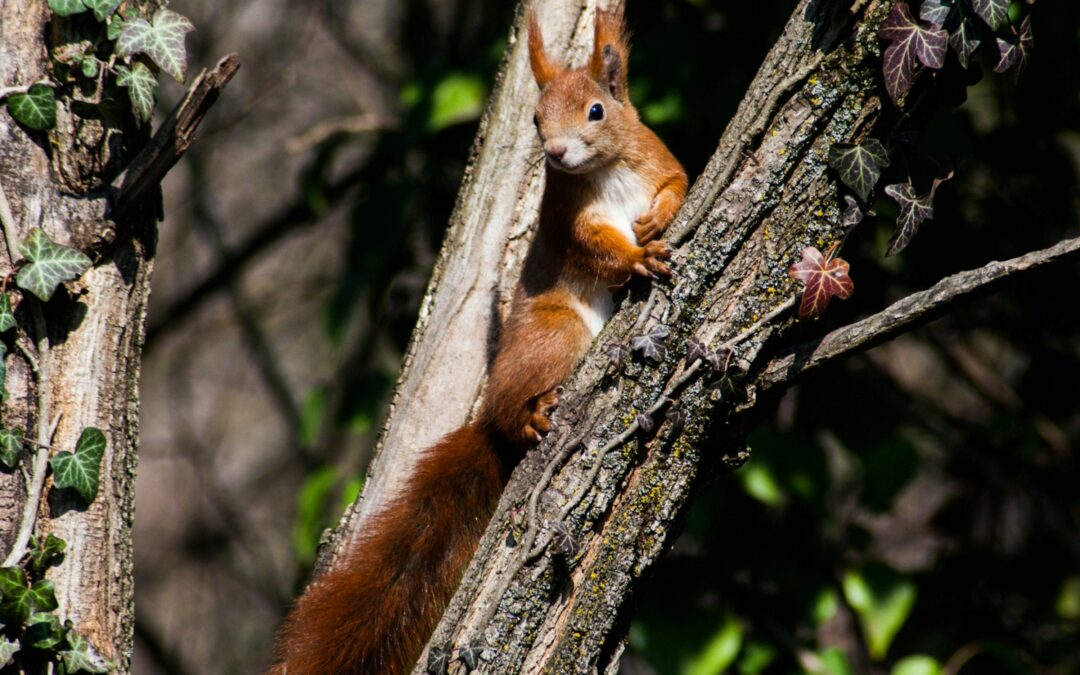
Squirrels are some of the most fascinating creatures you see in parks, backyards, or even darting across city streets. They look small and light, but their mouths are surprisingly powerful and flexible. One of the most common questions that people wonder about is how many nuts a squirrel can actually fit in its mouth. It sounds simple, but once you start exploring it, the answer opens up a lot about squirrel biology, survival strategies, and just how clever these little animals really are. From my own personal experience, watching squirrels stash acorns in the autumn made me curious about this same question, and the more I observed, the more I realized their mouths hold more than you’d expect.
The Structure of a Squirrel’s Mouth
To understand how many nuts a squirrel can carry, you first need to think about how their mouths are designed. Squirrels belong to the rodent family, and their mouths are shaped to handle two main things: breaking hard shells and carrying food. They have sharp front teeth that grow continuously, which helps them crack open shells like acorns or walnuts. But it is not just about teeth. The inside of their cheeks is what makes the difference when it comes to holding multiple nuts at once.
Unlike some rodents, squirrels do not have expandable cheek pouches like hamsters or chipmunks. Still, their cheek area is more flexible than most people think. They can stretch their cheeks outwards to hold a surprising amount of food before running to bury it. That stretch, combined with their small but strong jaws, means they can pack in more nuts than the casual observer would ever guess.
The Average Number of Nuts a Squirrel Can Hold
So how many nuts can a squirrel really fit in its mouth? For most tree squirrels, the number usually falls between two and five medium-sized nuts, like acorns. Smaller nuts, like hazelnuts or beechnuts, can increase that number to six or even more, depending on the individual squirrel. Larger nuts, such as whole walnuts, are harder to carry in multiples. In that case, a squirrel usually carries just one at a time.
On the other hand, ground squirrels are more creative. Some species have slightly deeper cheek space compared to tree squirrels. That means they can sometimes stuff up to seven or eight smaller nuts before heading off. But in general, two to four medium nuts at once is the average you’ll see.
Why Squirrels Carry Multiple Nuts
The reason a squirrel tries to fit so many nuts in its mouth is simple: efficiency. Collecting food takes a lot of energy. If they carried just one nut at a time, they would spend much more effort running back and forth. By packing multiple nuts in a single trip, they save both time and energy. This is especially important in autumn, when squirrels gather thousands of nuts in preparation for winter.
Researchers studying squirrel behavior have noticed that squirrels seem to balance weight and size carefully. A squirrel does not want to slow itself down too much with an overloaded mouth. Carrying too many nuts can make them clumsy and easy targets for predators like hawks or cats. So, while they can sometimes carry more, they usually stop at a safe number that lets them keep moving quickly.
Size of the Nut Makes All the Difference
Not all nuts are equal in size, and that makes a big difference in how many a squirrel can fit in its mouth. Acorns are the classic choice, and most squirrels manage to hold about two to three of them comfortably. A squirrel might squeeze in a fourth if the nuts are slightly smaller.
When it comes to hazelnuts or pecans, squirrels can often hold up to five at once because the shape is rounder and the size is smaller. In contrast, chestnuts and walnuts limit the squirrel to one or two because they’re bulky and harder to balance in the mouth.
What makes this interesting is that squirrels actually seem to know which nuts are worth carrying in multiples. If a nut is especially large or heavy, the squirrel chooses to carry fewer, but if the nuts are light and small, it will push its cheeks to capacity.
Observing Squirrels in Action
If you’ve ever sat in a park during fall, you may have seen a squirrel running around with its cheeks puffed up like balloons. That’s the clearest sign that it is trying to maximize its nut-carrying ability. Watching them closely, you can often see the moment when a squirrel decides that its mouth is full enough. They usually stop, pause, and then dash away to bury their treasure.
From personal observations, it’s common to see a squirrel pause, drop one nut, and rearrange the load before running off. This shows that they are not just blindly stuffing their mouths but actually planning how to carry nuts in the most efficient way. Sometimes, they even test whether they can squeeze one more in before giving up.
The Survival Strategy Behind Storing Nuts
Fitting multiple nuts in their mouths is not just a quirky trait; it is a matter of survival. Squirrels rely heavily on food caches during the winter months. Since they do not hibernate like some animals, they need a steady supply of energy. Each trip to gather food matters, so carrying more nuts at once helps them build their stash quickly.
In some studies, squirrels have been observed hiding over 5,000 nuts in a single season. Without the ability to carry multiple nuts in their mouths, that kind of storage would take much longer. Their efficiency in nut gathering is part of what makes them so successful as a species, even in urban environments.
Comparing Squirrels to Chipmunks and Hamsters
It is easy to confuse squirrels with chipmunks or hamsters when talking about how many nuts they can carry, but there’s a big difference. Chipmunks have cheek pouches that extend down the sides of their heads, allowing them to store a large number of nuts at once. Some chipmunks can carry up to 10 or more small nuts in a single trip.
Squirrels, however, don’t have the same pouch structure. What they do have is flexible skin around the cheeks and a clever way of stacking nuts in their mouths. So, while they cannot match chipmunks in numbers, they balance it out with speed and agility. A squirrel can dart to a hiding spot much faster than a chipmunk weighed down with a full load.
Based on My Overall Experience
Based on my overall experience watching squirrels in different settings, I’ve noticed that squirrels in urban areas tend to carry slightly fewer nuts at once compared to those in wooded areas. This might be because city squirrels deal with more distractions like people, cars, or dogs, so they prefer smaller loads that let them run quickly to safety. In contrast, forest squirrels seem more willing to carry heavier loads, probably because they are more used to natural predators and have more open space to escape.
Fun Facts About Squirrel Nut-Carrying
There are some extra little facts that make this topic even more fun. Squirrels often pretend to bury nuts when they think another squirrel is watching, a trick called “deceptive caching.” Even with a full mouth, they may go through the motions of hiding food just to confuse rivals.
Another quirky fact is that squirrels sometimes forget where they bury their nuts. This forgetfulness actually helps forests grow because some of those nuts sprout into trees. So, the very act of carrying multiple nuts in their mouths and hiding them has a bigger impact on the environment than most people realize.
What This Tells Us About Squirrel Intelligence
The way squirrels manage their nut loads is a good sign of their intelligence. They make choices about size, weight, and safety in real time. Their behavior shows planning and problem-solving, not just instinct. If they were simply driven by instinct, they might overload themselves every time. Instead, they seem to know their limits and adapt to different types of nuts.
Scientists who study squirrels often point out that their memory, problem-solving, and ability to plan make them one of the most adaptable rodents in nature. The number of nuts they can fit in their mouths is just one window into this cleverness.
Wrapping It Up
So, how many nuts can a squirrel fit in its mouth? The most accurate answer is usually between two and five medium-sized nuts, though smaller ones might allow more. Larger nuts like walnuts often reduce it to just one. While that number might sound modest, it plays a huge role in how squirrels survive through winter. Their efficiency, flexibility, and clever behavior make every nut count.
From my own personal experience, watching squirrels juggle acorns in their mouths has always been fascinating, and it makes you appreciate how resourceful these small animals really are. Next time you see one darting by with cheeks stretched to the limit, you’ll know that there’s more strategy in that little mouthful than meets the eye.