
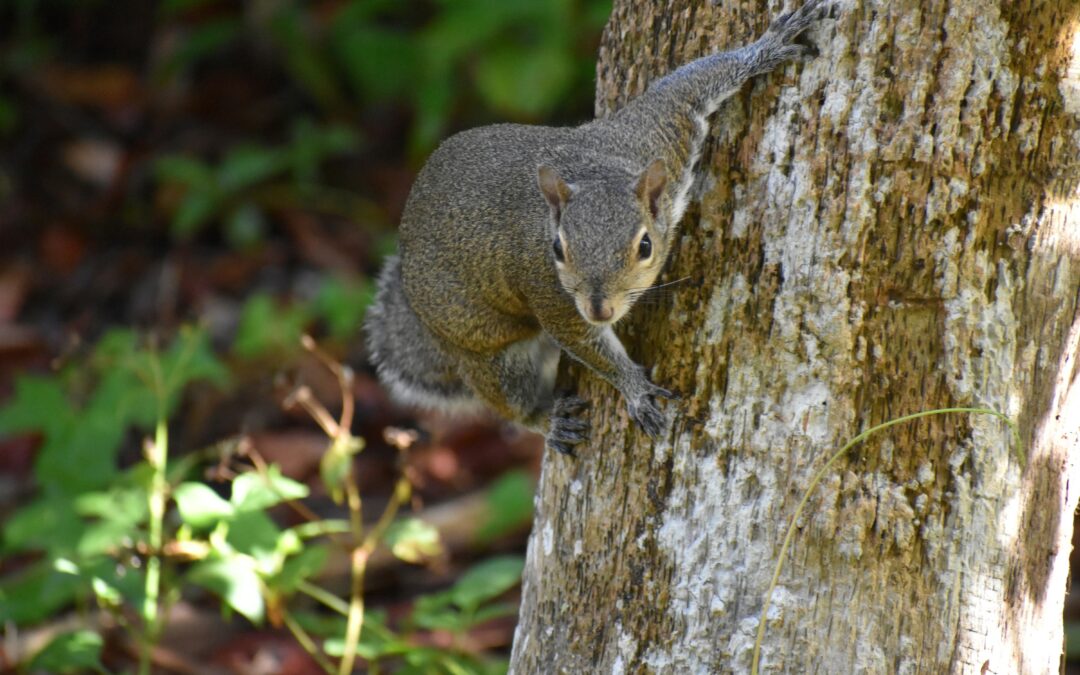
If you’ve ever stopped to watch squirrels, you’ve probably noticed something funny. They don’t just grab one nut and run off. Instead, they often pick up more than one, juggle them around, or stash them in quick bursts. At first glance, it looks like random busywork, but there’s a lot going on behind this habit. From my own personal experience, sitting on a porch during autumn and watching squirrels dart around with cheeks full of acorns, I realized their behavior wasn’t just playful. It had purpose, instinct, and strategy behind it.
Understanding why squirrels carry multiple nuts at once gives you a deeper look at how nature works. It’s about survival, memory, competition, and even a little personality. This might seem like small animal behavior, but once you break it down, it connects to some pretty big ideas about food security, planning, and adaptation.
Squirrels and Their Instinct for Storage
At the heart of this behavior is food storage. Squirrels live in climates where winter brings scarcity. They can’t rely on fresh plants or insects during the cold months, so their instinct tells them to prepare. Carrying multiple nuts is part of a larger caching system. By picking up several nuts quickly, they can transport more food to safer locations, cutting down on wasted energy.
Unlike some animals that build a central pantry, squirrels often scatter their food. This means they bury nuts in dozens, sometimes hundreds, of small spots. Carrying multiple nuts at once allows them to speed up the process before predators or rivals notice.
Energy Conservation and Smart Movement
If you think about how much effort it takes for a small animal to climb a tree, crack through a shell, and then run across open ground, you realize that energy conservation is critical. By carrying multiple nuts, squirrels save themselves the extra trips. This efficiency matters because winter survival is all about balancing calories in and calories out.
If they only carried one nut at a time, the risk of burning more energy than they’re storing would grow. By loading up on more than one, they cut travel time and increase net energy gain. It’s nature’s version of grocery shopping with reusable bags instead of carrying one item in each hand.
Cheek Pouches: Nature’s Built-in Shopping Bags
One reason squirrels can manage multiple nuts at once is their physical design. Many species have expandable cheek pouches that let them stuff food on the go. These pouches can stretch impressively, letting them hold several nuts without slowing down their speed or climbing ability.
This adaptation shows how evolution supports practical needs. Without cheek pouches, they would be stuck carrying everything in their tiny paws, which isn’t efficient. The pouch system frees up their limbs for balance and quick movement, giving them an edge when predators are nearby.
Memory and Mapping Skills
Carrying multiple nuts isn’t just about transport; it ties directly to how squirrels remember their stashes. These animals have impressive spatial memory. They use landmarks like rocks, roots, or even changes in soil texture to recall where they buried food.
When they pick up several nuts and spread them across different areas, they’re creating a mental map of food points. This strategy means they don’t rely on a single source. If one cache gets stolen or spoiled, others remain. Carrying more nuts at once allows them to build this network faster, which increases survival chances.
Competition and Food Security
In many areas, squirrels aren’t the only ones hunting for nuts. Birds, chipmunks, and even other squirrels are watching. By carrying multiple nuts, squirrels make it harder for competitors to follow their pattern. They can quickly stash food in different spots without wasting time returning for another nut.
Think of it like someone at a buffet piling food onto one plate rather than standing in line again and again. The quicker you get what you need, the less chance there is for someone else to grab it first. This competitive pressure has shaped squirrel behavior into what looks like frantic gathering, but it’s actually a very calculated approach.
Seasonal Urgency and Hoarding Instinct
During autumn, squirrels go into overdrive. You’ll often see them darting across yards and streets with stuffed cheeks and twitching tails. Carrying multiple nuts is amplified in this season because the clock is ticking. Once winter sets in, food becomes scarce, and the window to prepare is short.
The urgency fuels their instinct to take more than one at a time. It’s not about greed; it’s survival. The more they store now, the higher their odds of making it through months where snow and ice cover most food sources.
Mistakes and Forgotten Stashes
Interestingly, squirrels don’t always retrieve every nut they bury. In fact, they forget quite a few. Carrying multiple nuts at once plays into this because the more they hide, the greater their buffer against forgetting. Losing a handful of caches doesn’t matter as much when they’ve stored hundreds.
This forgetfulness has a surprising side effect: forest growth. The nuts they never recover often sprout into new trees. In a way, carrying multiple nuts at once turns squirrels into accidental gardeners, spreading forests without realizing it.
The Role of Personality and Behavior Variations
Not all squirrels behave exactly the same. Some individuals are more cautious, others are more daring. Some carry a lot at once, while others seem content with fewer trips. These variations show that even in animal behavior, personality matters.
From watching them over the years, I’ve noticed that younger squirrels tend to overstuff their cheeks and sometimes drop nuts along the way, while older ones are more precise. Carrying multiple nuts isn’t just a species-wide instinct; it also reflects learning and personal habits.
Survival Against Predators
Another reason squirrels carry multiple nuts is to reduce exposure to danger. Every second spent in the open puts them at risk from hawks, owls, foxes, and domestic cats. By transporting more than one nut per trip, they minimize the time they’re vulnerable.
This efficiency lets them dash across dangerous areas quickly, reducing the chance of being caught. It’s a subtle survival tactic that might not look impressive at first glance, but it can make the difference between life and death in predator-rich environments.
Lessons for Humans from Squirrel Behavior
You might laugh at the thought of learning life lessons from squirrels, but there’s something there. The way they carry multiple nuts teaches the importance of planning, efficiency, and preparation. Storing up resources, working smart instead of just hard, and spreading out risks are strategies that people can apply to daily life too.
Think of financial savings, for example. Just like squirrels scatter their food across many hiding spots, spreading your savings across different accounts or investments gives you more security. Carrying multiple nuts is the squirrel version of not putting all your eggs in one basket.
Based on My Overall Experience Observing Them
Based on my overall experience, squirrels show us that what looks like frantic behavior is actually smart, instinct-driven action. The carrying of multiple nuts reflects centuries of evolution, problem-solving, and survival tactics. Their tiny bodies and quick moves might not look powerful, but their strategies for survival are impressive.
Watching them closely, you see more than just animals darting around trees. You see planners, risk managers, and even unintentional forest builders.
Conclusion: More Than Just a Quirk
When you see squirrels carrying multiple nuts, it’s not just a random quirk. It’s a blend of survival instinct, physical adaptation, competition, memory, and even a touch of personality. From cheek pouches to scatter hoarding, each detail plays a role in their larger plan to get through harsh winters.
From my own personal experience, once I started looking at this behavior with curiosity, it became clear that squirrels aren’t just busy; they’re brilliant in their own way. Carrying multiple nuts isn’t just about food, it’s about survival, efficiency, and resilience.
Next time you spot a squirrel racing across your yard with cheeks full of acorns, you’ll know there’s a whole strategy behind it. And maybe, just maybe, you’ll find a little inspiration in their simple but effective way of preparing for the future.