
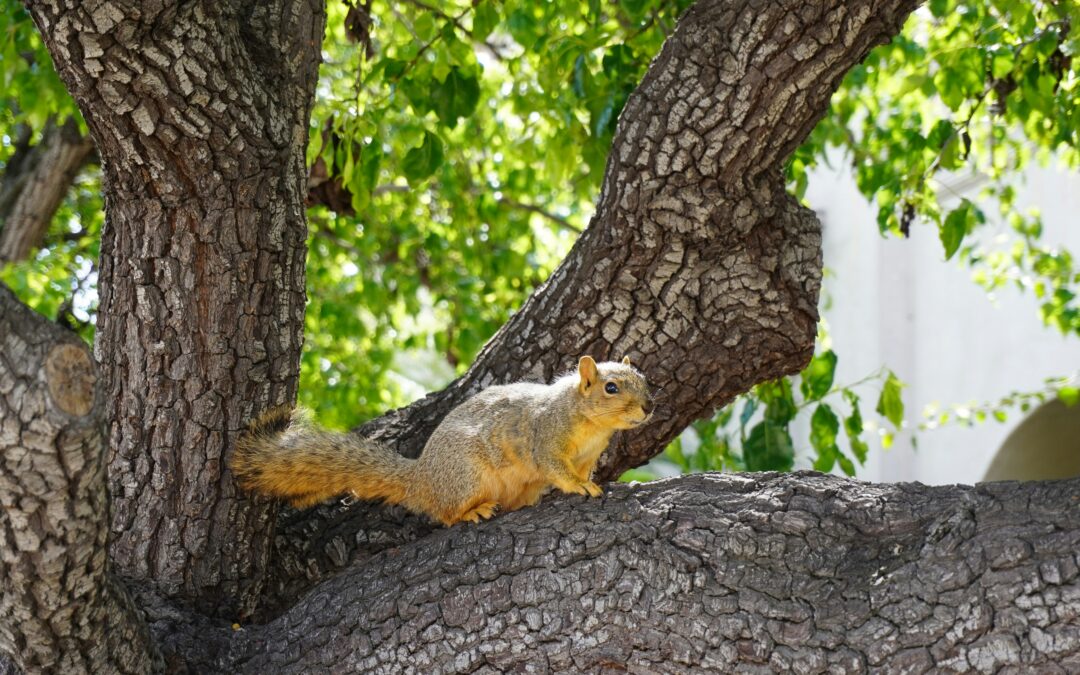
Squirrels are some of the most charming and energetic creatures in the backyard. Watching them scamper along fences, leap between trees, and bury their acorns is entertaining. It’s natural to want to reach out and offer them some food. But the question many ask is, is it really safe to feed squirrels? The answer isn’t as simple as “yes” or “no.” Feeding squirrels has benefits and risks, and it’s important to understand both before tossing peanuts in the yard.
Why People Want to Feed Squirrels
Squirrels are curious, friendly (sometimes too bold), and incredibly cute. Many people enjoy feeding them because it feels like interacting with wildlife without the hassle of owning a pet. Feeding squirrels can give a sense of connection to nature, especially for those living in urban areas where squirrels are one of the few visible wildlife species.
From my own personal experience, offering food to squirrels can create a unique bond. They start recognizing humans as a source of food, and some even come back regularly if they trust the spot. The joy of seeing a squirrel nibble from your hand or chase a tiny piece of nut across the lawn is unmatched.
The Risks of Feeding Squirrels
Despite their charm, feeding squirrels comes with significant risks. Understanding these is crucial before deciding to feed them regularly.
1. Dependency on Human Food
Squirrels are wild animals designed to forage for a variety of nuts, seeds, and plants. When humans start feeding them, squirrels may begin depending on these easy meals instead of gathering their natural diet. Over time, this can affect their survival skills and make them less capable of living independently.
2. Nutritional Issues
Not all foods that humans consider safe are healthy for squirrels. Bread, processed snacks, and sweets can cause serious health problems for them, including malnutrition. Even nuts like peanuts are fine occasionally, but feeding them as a staple isn’t ideal. A squirrel’s diet should include a mix of acorns, seeds, fruits, and vegetables to stay healthy.
3. Aggression and Overpopulation
Feeding squirrels can unintentionally lead to overpopulation in your yard. When squirrels congregate around human-provided food, they can become territorial and aggressive toward each other and even humans. You may notice fights breaking out or squirrels becoming bold enough to raid bird feeders or even sneak into attics.
4. Disease Transmission
Squirrels, like all wildlife, can carry diseases. While the risk of contracting something dangerous from a squirrel is low, it’s not zero. Common concerns include ticks, fleas, and parasites that squirrels may carry, as well as viruses like rabies, though rare. Feeding squirrels directly from hands increases the chance of bites or scratches, which can spread bacteria or diseases.
How to Feed Squirrels Safely
If feeding squirrels is something you really want to do, there are ways to minimize the risks. You don’t have to give up the joy entirely, but you should follow safe practices.
1. Stick to Natural Foods
Offer foods that are part of a squirrel’s natural diet. These include:
- Unsalted nuts in the shell (acorns, walnuts, hazelnuts, pecans)
- Seeds (sunflower seeds are ideal)
- Fruits (apples, grapes, berries)
- Vegetables (corn, carrots, peas)
Avoid processed human foods, sugary snacks, or anything cooked with salt or spices. These can make squirrels sick.
2. Limit the Quantity
Squirrels should not rely on humans for food. Only offer small portions occasionally. For example, scattering a handful of nuts once or twice a week is enough. This keeps squirrels healthy and ensures they still forage naturally.
3. Avoid Hand Feeding
It may seem tempting to let squirrels eat directly from your hand, but it’s safer for both parties to leave food on the ground or in a feeder. This prevents bites, scratches, and too much human dependence.
4. Use a Feeder
A squirrel feeder designed to prevent overeating or crowding is an excellent option. These feeders also reduce the risk of attracting pests like rats. Keep the feeder clean to prevent mold or bacteria from building up.
The Environmental Impact of Feeding Squirrels
Feeding squirrels doesn’t just affect the animals; it can influence your yard and local ecosystem.
- Altering Behavior: Squirrels that get easy meals may spend less time gathering and storing food naturally. This can disrupt local plant growth since squirrels play a key role in spreading seeds.
- Attracting Predators: Concentrating squirrels in one area can attract predators like hawks, owls, and even neighborhood cats. While this is part of natural ecology, it increases the chance of danger for the squirrels.
- Plant Damage: Squirrels feeding near gardens can chew on plants, flowers, or crops. If feeding is done carelessly, it may cause more harm than good to a yard or garden.
Signs a Squirrel Is Becoming Dependent
From my own personal experience, there are clear signs when a squirrel is starting to rely too much on human food:
- Approaches humans without fear.
- Waits near your house or yard for meals instead of foraging.
- Ignores natural foods and goes straight for the offered food.
When these behaviors appear, it’s a good idea to reduce feeding and let them return to normal foraging habits.
Alternatives to Direct Feeding
You don’t have to feed squirrels directly to enjoy watching them. There are safer ways to interact with them:
- Plant Nut- and Fruit-Bearing Trees: Oaks, hazelnut shrubs, and fruit trees provide natural food for squirrels and keep them healthy.
- Create Natural Habitats: Piles of leaves, logs, and brush offer hiding spots and nesting areas. Squirrels will visit and play without relying on humans.
- Bird Feeders: Some bird feeders also attract squirrels, but this allows them to forage naturally instead of expecting handouts.
My Overall Experience Feeding Squirrels
From my own personal experience, feeding squirrels is a mix of joy and responsibility. Watching them dart around, balancing on branches, and storing nuts is endlessly entertaining. However, it’s easy to overdo it. Squirrels that are hand-fed daily can become aggressive, territorial, and unhealthy. Moderation is key. Offering small portions occasionally while letting them maintain their natural habits is the perfect balance.
Conclusion: Is Feeding Squirrels Safe?
Feeding squirrels can be safe if done correctly, but it requires careful planning and moderation. Overfeeding, offering unhealthy foods, or encouraging direct interaction can create dependency, health problems, and behavioral issues. On the other hand, offering natural foods occasionally, in small amounts, and maintaining a safe distance can be rewarding.
The ultimate goal is to enjoy wildlife responsibly. Squirrels are fascinating, playful, and surprisingly intelligent creatures. Respecting their natural instincts while giving them small treats can create a positive experience for both the squirrels and humans.
Feeding squirrels is more than just tossing a nut or two, it’s about fostering a safe, healthy, and sustainable interaction with backyard wildlife. When done thoughtfully, it can be one of the most rewarding ways to connect with nature without taking over the animal’s life.