
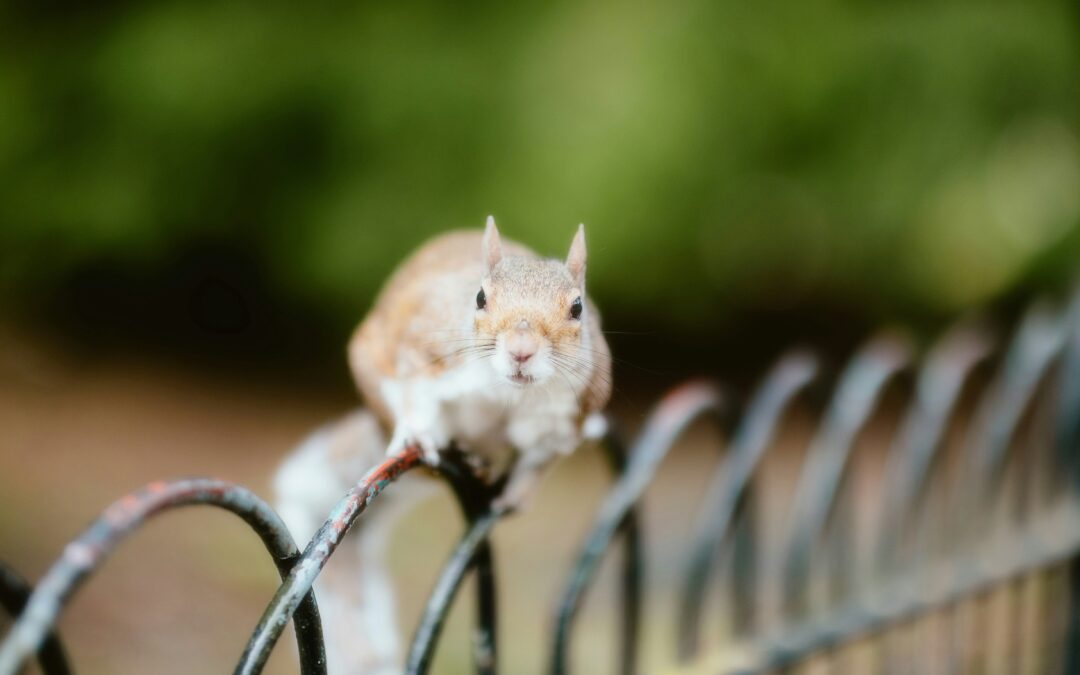
Squirrels are everywhere. You see them racing up trees, balancing on power lines, or burying nuts in your garden. They’re fast, playful, and surprisingly clever. But have you ever wondered what exactly pulls them into your yard, your attic, or even closer than you’d expect?
If you’ve found yourself asking, “What attracts squirrels?” you’re not alone. This is one of the most common questions from homeowners, gardeners, and nature enthusiasts. Squirrels may look harmless and fluffy, but they’re driven by instincts, habits, and very specific things that catch their attention.
In this post, I’ll break down everything that attracts squirrels. From food to shelter, from smells to sounds, you’ll understand why these creatures are so drawn to certain environments. And since this is a topic I’ve spent time observing myself, I’ll also share some notes from my own personal experience about how squirrels behave when they find something irresistible.
Let’s jump in deep.
Why Squirrels Are Naturally Curious
Before you look at specific attractants, you need to understand one thing: squirrels are naturally curious. Their survival depends on being alert, observant, and opportunistic. That means they don’t just stick to one type of food or habitat. Instead, they’re constantly exploring.
Curiosity helps squirrels find new food sources, protect themselves from predators, and adapt to different environments. That’s why you’ll notice them testing bird feeders, sneaking into attics, or even nibbling on things that don’t look edible.
Food: The Number One Attraction
Let’s be honest, food is the biggest reason squirrels show up anywhere. These little mammals are driven by hunger, especially during fall when they gather food for winter storage. But not all foods attract them equally.
Nuts
Squirrels have strong teeth built for cracking shells. That’s why nuts like acorns, walnuts, pecans, and hazelnuts are irresistible. You’ll often see squirrels burying them underground.
Seeds
Sunflower seeds, pumpkin seeds, and birdseed blends are top favorites. If you have a bird feeder, chances are squirrels are already raiding it.
Fruits
Apples, berries, grapes, and bananas can pull squirrels in. They’ll eat fruit straight off a tree or pick up fallen pieces on the ground.
Vegetables
Corn, carrots, peas, and leafy greens also attract squirrels. Gardeners often complain about finding half-eaten produce in their plots.
Human Food
From leftover bread to chips and even pizza crusts, squirrels aren’t picky. If it smells edible, they’ll give it a try.
Shelter and Safety
Another strong attractant is shelter. Squirrels are always looking for safe places to rest, sleep, and raise young ones.
Trees
Tall trees with thick branches give squirrels a secure home base. They build nests (called dreys) out of twigs and leaves.
Attics
Warm, dry, and hidden, your attic feels like a luxury apartment for a squirrel.
Woodpiles and Sheds
These spaces provide cover from predators and weather.
Dense Shrubs
Bushes and hedges act like a natural hideout.
Smells That Attract Squirrels
Squirrels rely heavily on smell. Strong food odors are like a magnet.
- The scent of roasted nuts or peanut butter is almost impossible for them to ignore.
- Sweet smells from ripe fruit or sugary snacks also grab their attention.
- Certain garden plants, especially sunflowers, produce natural scents that pull squirrels closer.
Sounds That Draw Squirrels
Believe it or not, squirrels respond to sounds too. Crackling leaves, rustling branches, or even the sound of bird feeders being refilled can make them curious. They associate these noises with potential food or activity worth checking out.
Movement and Shiny Objects
Squirrels are alert to movement. A dangling feeder, a windblown wrapper, or even shiny objects like foil or coins can spark their curiosity. Their eyes catch quick movements, and their instinct tells them to investigate.
Seasonal Factors
Attraction changes with the seasons.
- Spring: Fresh buds, young plants, and bird eggs attract squirrels.
- Summer: Fruits, vegetables, and shade under trees are big draws.
- Fall: Nuts, seeds, and grains dominate their attention.
- Winter: Warmth, stored food, and shelter make them bolder.
Why Squirrels Target Bird Feeders
Bird feeders deserve a section of their own. To squirrels, a bird feeder is basically a buffet. The mix of seeds is ideal for them. Plus, feeders are often easy to access with a little climbing or jumping.
From my own personal experience, I once set up a feeder in my backyard. Within two days, I noticed that squirrels weren’t just stealing food, they were scaring birds away. It became a daily show: squirrels hanging upside down, shaking the feeder, and feasting like they owned it.
Gardens: A Natural Attraction
If you have a garden, you’ve probably had run-ins with squirrels. They don’t just eat vegetables, they dig up soil looking for insects or places to store food. Fresh sprouts, young plants, and bulbs are especially vulnerable.
Trash and Compost Bins
Anything with a food scent attracts squirrels. That includes trash bags and compost bins. Leftover bread, fruit peels, and food scraps are all fair game.
Why Some Yards See More Squirrels Than Others
Have you ever noticed that some areas are crowded with squirrels, while others are almost empty? The reason usually comes down to three things:
- Availability of food
- Shelter and hiding spots
- Low predator presence
If a yard checks all three boxes, squirrels will make it their regular spot.
Human Habits That Attract Squirrels
You might be attracting squirrels without realizing it. Leaving pet food outside, tossing crumbs in the yard, or feeding birds all create opportunities for squirrels. Even unsealed trash cans can become a steady attraction.
The Role of Curiosity
Even when food or shelter isn’t obvious, squirrels may still visit out of curiosity. They’re natural explorers. Anything new, like a freshly placed planter, a swing, or a shiny decoration, can bring them closer.
From My Own Personal Experience
I’ve spent a lot of time observing squirrels in different settings, parks, backyards, even city sidewalks. From my own personal experience, squirrels are drawn most strongly to peanut butter. I once left a sandwich on a bench while talking to a friend, and within minutes, a squirrel was sniffing around, completely ignoring other food items nearby. That showed me just how powerful certain smells can be for them.
Can Squirrels Be Trained Through Attraction?
Yes. People who feed squirrels regularly find that the animals start associating them with food. Over time, squirrels may come closer, approach directly, and even take food by hand. But this raises an important question: should you attract squirrels on purpose?
The Pros and Cons of Attracting Squirrels
Pros
- They’re fun to watch.
- They help spread seeds in nature.
- They’re part of local ecosystems.
Cons
- They damage gardens.
- They raid bird feeders.
- They may invade homes and chew wires.
Expanding Your Understanding
Attraction isn’t limited to food or shelter. It’s about how squirrels interact with their environment as a whole. Once you notice their habits, you’ll see patterns everywhere. For example, you’ll start recognizing how weather, time of day, or even human activity shapes their behavior.
Final Thoughts
So, what attracts squirrels? The simple answer: food, shelter, smells, sounds, movement, and curiosity. But the deeper truth is that squirrels are opportunists. They’re always on the lookout for what makes survival easier.
If you enjoy their presence, you can lean into these attractants and watch them up close. If you’d rather keep them away, knowing what draws them in is the first step in prevention.
At the end of the day, squirrels will always be around. They’re survivors, they’re adaptable, and they’re endlessly curious. Once you understand what attracts them, you’ll see why they’re such fascinating neighbors, sometimes welcome, sometimes not, but always entertaining.