
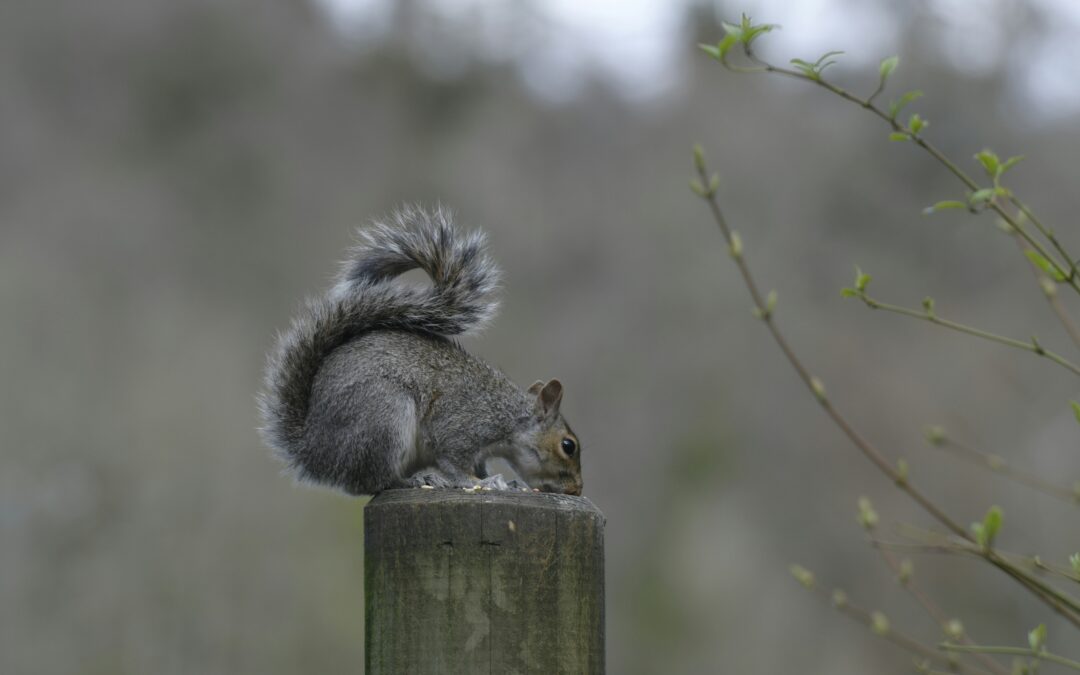
If you’ve ever wondered, Does Australia have squirrels? you’re not alone. Many travelers, students, and wildlife lovers ask this because squirrels are such a common sight in countries like the United States, Canada, and parts of Europe. The short answer is no, Australia does not have native squirrels. But that doesn’t mean the story ends there. Australia has a fascinating wildlife history, and once you dig deeper, the absence of squirrels becomes just as interesting as their presence elsewhere.
Let’s jump in the detail and give you the full picture.
Why there are no squirrels in Australia
Australia is famous for being a land full of unique species. Think kangaroos, koalas, wombats, and platypuses. What makes it different is its isolation. The continent broke away from other land masses millions of years ago, and that separation shaped the animals that evolved there.
Squirrels, which belong to the family Sciuridae, never made it across to Australia during this time. Unlike rodents and marsupials, they didn’t naturally spread or evolve there. By the time humans began colonizing and bringing animals with them, Australia already had its own ecological balance, one that did not include squirrels.
Were squirrels ever introduced?
Here’s where the story gets interesting. While Australia doesn’t have native squirrels, attempts were made to introduce them in the past. During the late 19th and early 20th centuries, colonists brought many animals from Europe and Asia, either for hunting, farming, or as pets. Rabbits, foxes, camels, and deer are well-known examples.
Squirrels were also introduced on a small scale. Reports mention the presence of Indian palm squirrels in certain parts of Western Australia and even Melbourne in the early 1900s. However, unlike rabbits or cane toads, they never became widespread. Strict laws and quarantine systems eventually stopped such introductions because of the damage invasive animals can cause.
Why introducing squirrels was a problem
Australia has one of the most fragile ecosystems in the world. New animals that don’t belong there often end up creating disasters. Rabbits, for example, became a massive plague. They multiplied uncontrollably, destroyed crops, and outcompeted native animals for food.
Squirrels, while seemingly harmless, could have had similar impacts. They eat a wide range of foods, can adapt to urban and rural environments, and breed quickly. If they had established a permanent population, they might have threatened birds, native marsupials, or even crops.
That’s why Australia’s modern quarantine and biosecurity laws are extremely strict. Today, you cannot legally import or keep squirrels as pets.
What animals fill the “squirrel gap” in Australia?
Since squirrels aren’t part of Australian wildlife, many people wonder if any native animals fill a similar role. The answer is yes, but in a very Australian way.
Here are a few examples:
- Possums – These small marsupials are often mistaken for squirrels by overseas visitors. They climb trees, raid fruit, and are commonly seen in urban areas. Unlike squirrels, they carry their young in pouches, just like kangaroos.
- Gliders – Sugar gliders and greater gliders resemble flying squirrels in appearance and behavior. They can glide from tree to tree using a skin membrane, but they are marsupials, not rodents.
- Rodents – Native rats and mice are part of Australia’s wildlife and might fill some of the same ecological niches as squirrels in other countries.
So, while you won’t see a squirrel running around in Sydney or Melbourne, you’ll definitely spot animals that behave a little like them.
Comparing squirrels and possums
This is a common mix-up. People visiting Australia often say, “I saw a squirrel,” when what they really saw was a possum. Let’s clear that up.
- Squirrels: Belong to the rodent family, sharp teeth, no pouch, active in the daytime, found in Europe, Asia, and the Americas.
- Possums: Marsupials, carry babies in pouches, often active at night, found in Australia and nearby regions.
From my own personal experience, the first time I saw a brushtail possum climbing across a powerline in Melbourne, I had to do a double take. It had the same fast, twitchy movements as the squirrels I grew up seeing in Europe, but once I looked closer, I realized it was something completely different. That moment stuck with me because it showed how easy it is to assume animals act the same everywhere.
Why tourists ask this question so often
If you grew up in North America or Europe, squirrels are everywhere. They’re in parks, backyards, forests, and sometimes even city streets. They’re so common that you almost take them for granted.
When you land in Australia, you expect to see the same mix of animals, only with kangaroos added in. But instead, you quickly realize the ecosystem is totally different. That’s why so many visitors do a quick Google search or ask locals, “Wait, does Australia have squirrels?”
It’s a perfectly natural question, and answering it gives you insight into how unique Australia’s environment really is.
The danger of confusing “common animals” with “universal animals”
Squirrels feel so ordinary to many people that it’s hard to imagine a place without them. But this highlights an important point: what feels “normal” in one country can be completely absent in another.
In the same way, Australians might be surprised to find hedgehogs in England or raccoons in Canada. Wildlife is deeply tied to geography, history, and evolution.
This is why Australia is such a favorite destination for biologists. The continent is a living laboratory of animals that exist nowhere else.
What if squirrels were introduced now?
Let’s imagine a scenario where squirrels were suddenly introduced to Australia today. What could happen?
- Competition for food: They might compete with possums, gliders, and native birds.
- Damage to crops: Farmers could face issues with fruit, nuts, and grains.
- Predator impact: Native predators might not recognize squirrels as prey, letting populations grow unchecked.
- Disease risk: They could introduce illnesses that native species aren’t immune to.
This “what if” scenario is why biosecurity in Australia is so strict. Officials learned hard lessons from rabbits, foxes, and cane toads. They won’t repeat the same mistakes with squirrels.
A country defined by what it doesn’t have
One of the fascinating things about Australia is that it isn’t just about the animals it has, it’s also about the animals it doesn’t. You won’t see bears, wolves, tigers, or squirrels. Instead, you’ll see echidnas, quokkas, wallabies, and cassowaries.
This absence makes Australia stand out. It forces you to look at wildlife differently, to realize that there’s no “default setting” for animals.
Based on my overall experience traveling and reading local wildlife guides
I can say that the absence of squirrels doesn’t make Australia feel empty. If anything, it makes every walk more exciting. You’re constantly seeing animals you’d never find anywhere else. One night you might hear a possum thumping across your roof, another day you might spot a kookaburra laughing in the trees.
That’s something squirrels could never replace.
Wrapping it up
So, does Australia have squirrels? The clear answer is no. They aren’t native, and attempts to introduce them never really took hold. Instead, Australia is home to possums, gliders, and other animals that fill similar roles in the ecosystem.
The absence of squirrels is part of what makes Australia special. It reminds us that every continent writes its own wildlife story. And for travelers, it’s a chance to see the world with fresh eyes, realizing that what feels ordinary back home might be completely missing somewhere else.