
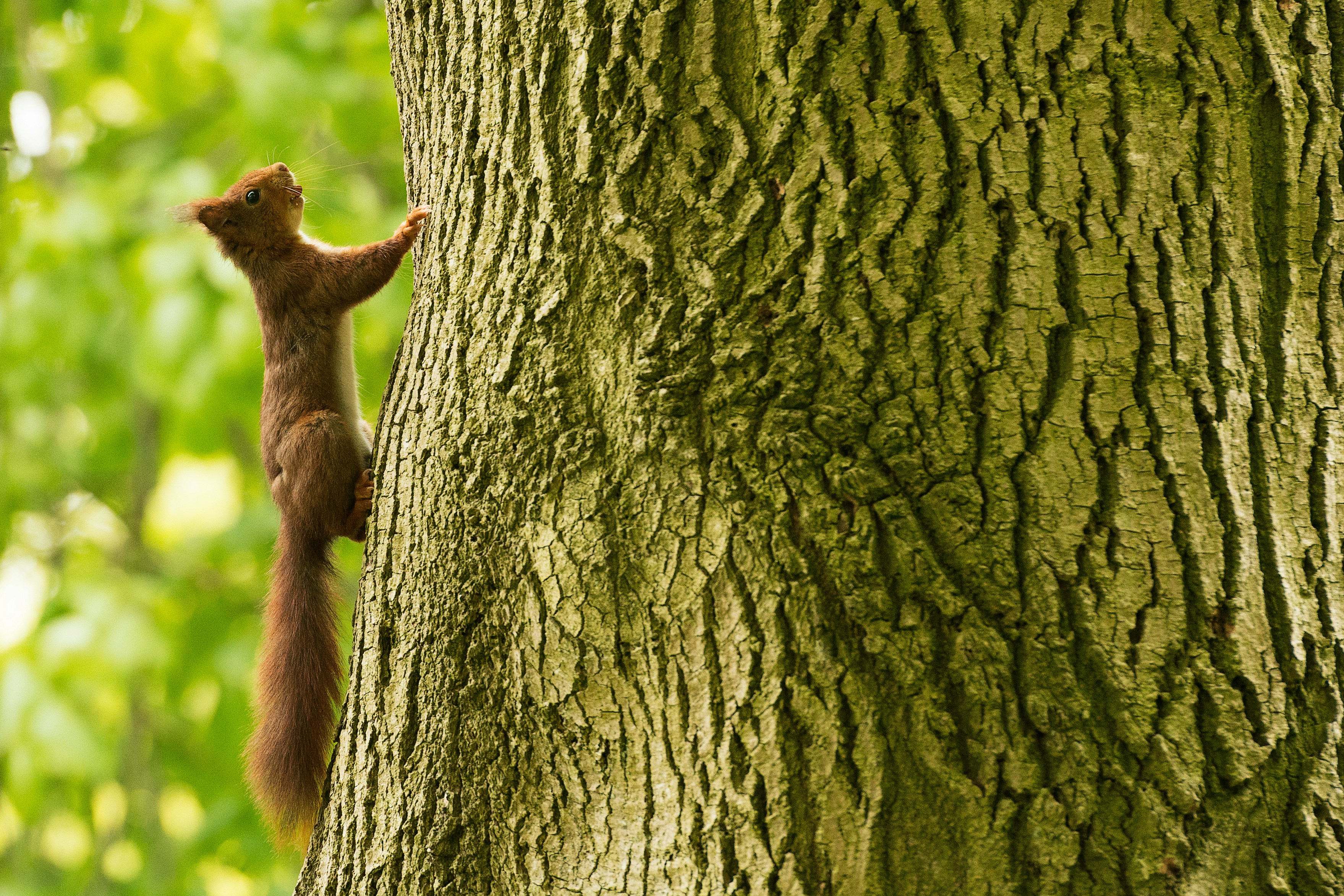
Gardening can be an exciting hobby, but it comes with its challenges. One common question that comes up every spring is whether squirrels are likely to eat tulip bulbs. If tulips are a favorite in the garden, seeing those vibrant blooms destroyed before they even have a chance to sprout can be disheartening. From my own personal experience, understanding how squirrels behave, why they target certain bulbs, and what strategies work best to protect your plants is essential to maintaining a healthy and colorful garden.
In this guide, we’ll explore the relationship between squirrels and tulip bulbs, why squirrels are drawn to gardens, practical ways to protect bulbs, and tips for making your garden less appealing to these persistent little creatures.
Why Squirrels Love Tulip Bulbs
Squirrels are primarily herbivores with a strong preference for nuts, seeds, and fruits. However, tulip bulbs are an attractive target for several reasons:
High-Calorie Food Source – Tulip bulbs are rich in nutrients and provide a concentrated source of energy. Squirrels naturally seek out these high-calorie options to prepare for winter or when other food is scarce.
Easy to Access – Tulip bulbs are planted underground, and squirrels are excellent diggers. Their sharp claws and strong sense of smell make it easy for them to locate bulbs buried just a few inches beneath the soil.
Soft Texture – The texture of tulip bulbs makes them easy for squirrels to chew, unlike harder seeds or nuts that require more effort.
Based on my overall experience, squirrels don’t discriminate much between tulip varieties. While some gardeners swear certain colors or types of tulips are less appealing, it’s more about location and accessibility than color preference.
Signs That Squirrels Are Digging Up Bulbs
Detecting squirrel activity in the garden early can help prevent significant damage. Here are some signs that squirrels might be targeting tulip bulbs:
- Disturbed Soil – Freshly dug soil or small holes near the base of bulb plantings is a common indicator.
- Missing Bulbs – Bulbs that are simply gone after planting suggest a determined digger at work.
- Nibbled Bulbs – Sometimes squirrels dig up bulbs but leave partially eaten pieces behind.
- Tracks and Droppings – Small tracks, usually about 1-2 inches in size, and droppings around flower beds indicate squirrel presence.
Why Squirrels Dig Up Bulbs Instead of Eating Leaves or Flowers
You may wonder why squirrels target bulbs underground rather than munching on the visible flowers and leaves. The answer is simple: bulbs are nutrient-rich, while leaves and flowers have a higher water content and lower energy value. Squirrels are instinctively looking for food that will give them the most energy for the least effort. Tulip leaves and petals are more about aesthetics than nutrition, which is why they often leave them alone unless food is extremely scarce.
Tips to Protect Tulip Bulbs from Squirrels
Protecting tulip bulbs requires a combination of timing, planting technique, and sometimes a bit of creativity. Here’s a detailed approach that can save your bulbs:
1. Plant Bulbs Deeper
Squirrels generally dig up bulbs that are planted at shallow depths. Planting tulip bulbs 6-8 inches deep can reduce the chance of them being dug up. While deeper planting requires a little more effort and proper soil preparation, it’s a highly effective strategy.
2. Use Physical Barriers
Wire mesh or hardware cloth can be placed over the bulbs immediately after planting. The mesh should be fine enough to prevent squirrels from digging through but loose enough to allow the bulbs to grow. Covering the bed with chicken wire until shoots appear can also protect the bulbs without affecting growth.
3. Surround Bulbs with Deterrent Plants
Some plants naturally repel squirrels. From my own personal experience, planting daffodils or alliums alongside tulips can reduce squirrel activity. These plants have strong odors or tastes that squirrels dislike, making your tulips less attractive.
4. Mulching Strategically
Mulch can act as both a protective layer and a deterrent. Using rough, coarse mulch like pine cones or crushed stone can make it harder for squirrels to dig. Avoid using soft mulch alone, as squirrels may simply dig through it.
5. Employ Repellents
Commercial squirrel repellents are available in granule or spray form. Many contain capsaicin or predator urine, which squirrels find unpleasant. Apply repellents according to instructions and reapply after rain for effectiveness.
6. Motion-Activated Devices
If squirrels are persistent, motion-activated sprinklers or ultrasonic devices can be useful. These devices startle squirrels and encourage them to find food elsewhere. While more expensive, they are highly effective in heavily infested gardens.
7. Consider Bulb Coatings
Some gardeners use physical coatings or wraps designed to deter pests. Wrapping bulbs in mesh or using a layer of gravel over the planting area can confuse squirrels and protect bulbs during the critical early stages of growth.
Timing Matters: When to Plant Tulips
Planting tulip bulbs at the optimal time can reduce losses. Squirrels are most active in the fall, looking for high-calorie food to store for winter. Planting bulbs closer to the cold season may give them less time to be discovered. However, planting too late can affect the bulbs’ ability to establish roots.
From my own personal experience, late September to early October is the ideal window. Soil is still workable, and bulbs can establish before the ground freezes, but squirrels haven’t fully switched to winter food storage mode.
Alternative Strategies: Giving Squirrels a Distraction
Sometimes the most effective way to protect tulips is to provide squirrels with an alternative food source. Scatter nuts, corn, or sunflower seeds in another area of the yard. This can keep squirrels busy while tulip bulbs grow undisturbed.
Using this strategy does require careful placement to avoid encouraging more digging near your garden beds. Placing a feeder far from tulips works best.
Let’s Understand Squirrel Behavior Here
Knowing why squirrels act the way they do helps in preventing damage. Squirrels are opportunistic feeders with excellent memories. They may return to a previous food source repeatedly. This is why once a garden is “discovered,” it’s essential to implement multiple protection strategies.
- Caching Behavior – Squirrels hide food for later use, often digging up bulbs they don’t immediately eat.
- Curiosity – Squirrels are naturally curious and will dig in areas they have visited before, even without hunger driving them.
- Territoriality – Squirrels may defend a favorite digging area, making consistent protection necessary.
Understanding these behaviors helps explain why simple solutions may only work temporarily and why a layered approach is more effective.
Long-Term Bulb Protection
If tulips are a staple in the garden, consider long-term strategies:
- Use Bulbs Squirrels Dislike – While tulips are a favorite, daffodils, hyacinths, and alliums are less appealing. Mixing these in your garden can reduce overall losses.
- Raised Beds or Containers – Planting tulips in raised beds or containers with mesh bottoms keeps bulbs out of reach.
- Regular Monitoring – Checking the garden daily for fresh digging allows early intervention.
From my own personal experience, combining deeper planting, deterrent plants, and physical barriers provides the most reliable protection.
Final Thoughts
Squirrels are persistent, clever, and sometimes frustrating garden visitors. Tulip bulbs, with their high nutrient content and easy accessibility, naturally attract these furry diggers. However, with proper planning, protective techniques, and a bit of creativity, it’s possible to enjoy tulips without losing them to squirrels.
Remember, there’s no single solution that works every time. A combination of strategies tailored to the specific garden layout, local squirrel population, and planting schedule yields the best results. Protecting tulip bulbs isn’t just about stopping squirrels, it’s about understanding their behavior and working with nature to maintain a beautiful, vibrant garden.