
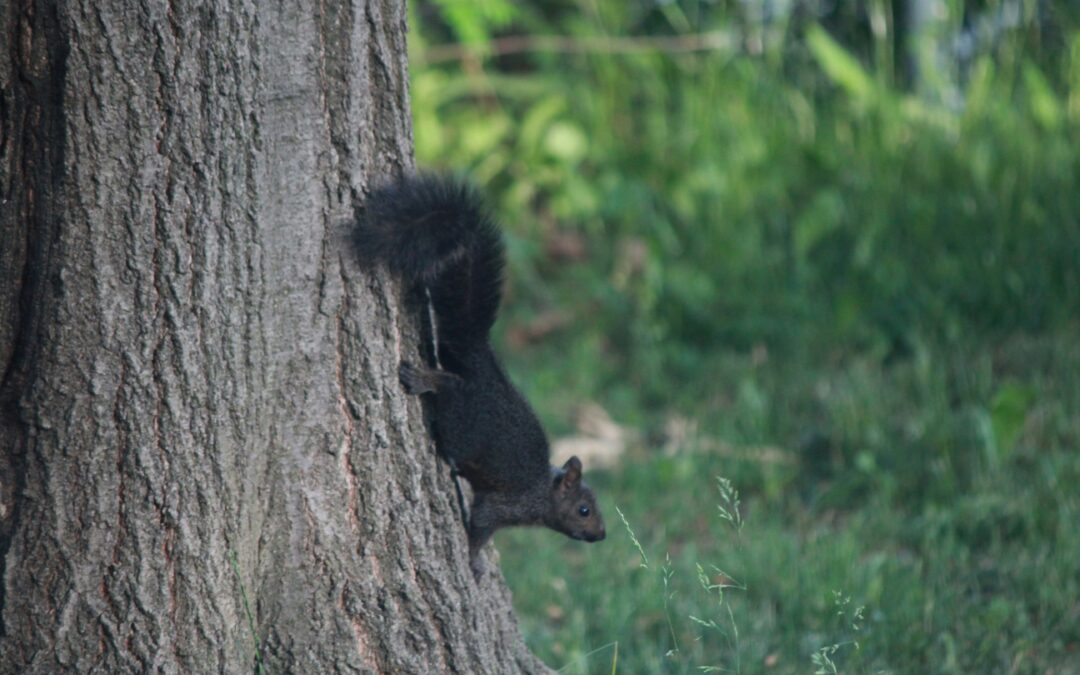
If you’ve ever stepped outside in the morning to admire your blooming garden, only to find petals scattered and stems snapped, you’re not alone. Squirrels might look cute with their bushy tails and twitchy noses, but when it comes to flowers, they can be absolute little troublemakers. You might wonder — do squirrels really eat flowers, or are they just being mischievous? Based on my overall experience observing these furry garden visitors, the answer is more interesting than you might think.
Let’s break this down clearly and simply. This isn’t just a yes-or-no kind of question. Squirrels don’t always eat flowers the way they eat nuts or seeds. Sometimes, they nibble petals for food. Other times, they do it out of curiosity or boredom. Either way, understanding why they go for your flowers helps you protect your garden and even appreciate how clever they actually are.
So, let’s explore what’s really going on behind those chewed tulips and missing pansies.
Why Squirrels Eat Flowers
1. Hunger Comes First
Like most wild animals, squirrels are driven by hunger. When food sources like nuts, acorns, or berries are scarce, especially in late spring or early summer, they start exploring new options. Flowers become a temporary food source.
Squirrels won’t usually eat flowers as their main diet, but they might snack on petals, bulbs, or even roots if they need quick energy. Many flowers contain sugar, moisture, and soft textures that make them easy to chew. For a squirrel, that’s a bonus.
2. Curiosity Plays a Big Role
Squirrels are naturally curious. They’ll dig into anything that looks or smells interesting, including your newly planted tulips or marigolds. From my own personal experience, I’ve seen squirrels pull up flowers, sniff them, take one bite, and leave the rest behind. They weren’t hungry; they were just testing.
That’s part of how squirrels learn. They explore through taste and texture, especially young ones that are still figuring out what’s edible and what’s not.
3. Flowers Provide Moisture
Another reason squirrels nibble flowers is to stay hydrated. During warmer months, especially when there’s less rain, squirrels look for water-rich plants. Many flowers, like tulips, sunflowers, and daisies, contain a lot of natural moisture.
Instead of searching for a pond or birdbath, they might chew petals and leaves to get the water they need. This happens more often than people realize, especially during dry periods.
4. Attraction to Fragrance
Certain flowers, like roses or lilies, release strong scents that attract more than just bees. Squirrels have a sharp sense of smell, and floral scents often trigger their curiosity. They might not want to eat the flower, but they’ll dig around or bite into it just to check the source of the scent.
5. Protection and Territory Behavior
Sometimes, it’s not even about eating. Squirrels dig up or bite plants while marking their territory. The scent glands near their mouth and paws leave a trace on the flowers they touch. This signals to other squirrels that the area is “claimed.” So if your flowers look damaged but not eaten, it might be a form of territorial marking.
Common Flowers Squirrels Love (and Why)
Not every flower is safe from a squirrel’s appetite. Here are some they tend to go for:
Tulips
Tulips are like candy for squirrels. The bulbs are full of starch, and the petals are soft and moist. They often dig up tulip bulbs and eat them whole, especially in early spring when food is still limited.
Sunflowers
Sunflowers attract squirrels because of their seeds. While they sometimes chew the petals, their main goal is to reach the seed heads. Once sunflowers mature, squirrels climb the stems to feast on the seeds directly.
Crocuses
Crocus bulbs are small but flavorful. Squirrels dig them up and eat them for their sweetness. Gardeners often find empty spots where crocuses once bloomed, a clear sign of squirrel activity.
Pansies and Petunias
Both of these flowers are soft, mildly sweet, and easy to chew. Squirrels may nibble the petals, but often, they pull them out just to play. Petunias, especially, are often destroyed out of curiosity rather than hunger.
Roses
It might sound strange, but some squirrels chew rose buds or petals. They’re usually after the scent or the moisture inside. However, the thorns discourage them from doing it too often.
Flowers Squirrels Usually Avoid
The good news is that not all flowers are attractive to squirrels. Some have strong scents, bitter tastes, or toxic compounds that keep them away.
Daffodils
Daffodils are poisonous to squirrels. The bulbs contain lycorine, which can make them sick. That’s why daffodils are often recommended for squirrel-resistant gardens.
Alliums
These are part of the onion family, and squirrels hate their smell. The pungent odor naturally repels them.
Marigolds
Marigolds have a strong, spicy scent that keeps most pests away, including squirrels. They’re often planted as protective borders around more vulnerable flowers.
Hyacinths
While colorful and fragrant, hyacinths have a slightly bitter taste that squirrels dislike. They might sniff them but won’t eat them.
Lavender
The strong aroma of lavender acts as a natural deterrent. Squirrels prefer milder scents, so they’ll stay away from lavender patches.
How to Stop Squirrels from Eating Flowers
Now that you know what attracts them, here’s how to keep your garden safe.
1. Use Natural Smells They Hate
Squirrels have strong noses. Use scents they dislike around your garden. Garlic, vinegar, coffee grounds, peppermint oil, and cayenne pepper are great choices. You can sprinkle or spray these around flower beds to make the area less inviting.
2. Cover Plants Temporarily
When flowers are newly planted or starting to bloom, cover them with mesh, netting, or chicken wire. This gives them time to grow stronger roots before squirrels can reach them.
3. Add Motion and Noise
Squirrels are easily startled. Wind chimes, motion-activated sprinklers, or even reflective objects like old CDs can help keep them away.
4. Give Them Their Own Food Source
It might sound funny, but giving squirrels a separate feeding spot can help protect your flowers. Place a small feeder far from your garden with nuts, corn, or seeds. When they have an easier food source, they’re less likely to raid your blooms.
5. Plant Squirrel-Resistant Flowers
Use a mix of flowers that squirrels dislike, such as daffodils, marigolds, and lavender, around your more delicate plants. This creates a natural barrier.
6. Use a Natural Repellent Spray
Homemade repellents are easy to make. Mix water with hot pepper flakes, vinegar, and a few drops of dish soap. Spray it lightly on your flowers. The scent will keep squirrels away without harming the plants.
Do Squirrels Eat Flower Bulbs Too?
Yes, especially tulip, crocus, and hyacinth bulbs. Bulbs are rich in carbohydrates, making them an energy-dense snack. Squirrels usually dig them up during planting season or right after rain when the soil is soft.
If you plant bulbs, consider using bulb cages or mesh barriers beneath the soil. This allows roots to grow while protecting bulbs from being dug out.
Do All Squirrels Eat Flowers?
Not all squirrels have the same diet. Different species have different preferences.
Gray squirrels are the most common garden visitors and will eat flowers occasionally.
Red squirrels prefer seeds, nuts, and cones but might nibble on flowers out of curiosity.
Ground squirrels are more destructive; they dig around plants and sometimes eat both the flowers and bulbs.
Seasonal Flower Damage by Squirrels
Spring
Squirrels dig up bulbs and bite new shoots. Tulips, crocuses, and hyacinths are most at risk.
Summer
They focus on moisture-rich blooms like sunflowers, roses, and pansies. You may also notice bite marks on leaves and missing petals.
Fall
They start storing food for winter, so flowers are less of a priority. However, they might dig up the soil and accidentally damage plants.
Winter
Flowers aren’t around, but squirrels sometimes dig up leftover bulbs or chew bark to survive.
The Role of Squirrels in the Garden
Even though they can be annoying, squirrels aren’t all bad. They play an important role in nature. By burying nuts and seeds, they help with plant growth and forest regeneration. Sometimes, they forget where they hide their food, which leads to new trees and plants growing naturally.
So, while you may want to protect your flowers, it’s also worth remembering that squirrels are part of a bigger ecosystem. The goal isn’t to eliminate them, just to create a balance that keeps both your flowers and the squirrels happy.
Fun Facts About Squirrels and Flowers
- Squirrels have been known to use flower petals as nesting material.
- They can smell buried bulbs under several inches of soil.
- Some squirrels actually “taste test” flowers but don’t swallow them.
- Squirrels are smart enough to avoid toxic plants after trying them once.
- They often return to the same garden year after year if they find food there.
Conclusion
So, do squirrels eat flowers? Yes, sometimes, but not always for food. They might do it for curiosity, hydration, or habit. Flowers like tulips, pansies, and sunflowers are often victims, while daffodils, marigolds, and lavender are safer bets.
From my own personal experience, I’ve learned that you can’t completely stop squirrels from visiting your garden. But you can make smart choices that keep your flowers intact. By mixing resistant plants, using natural scents, and adding gentle deterrents, you’ll enjoy your blooms while keeping your furry visitors in check.
In the end, squirrels may snack on your flowers now and then, but they’re also a lively part of outdoor life. A little understanding, and a few smart tricks, can make sure your garden stays colorful and peaceful, all season long.