
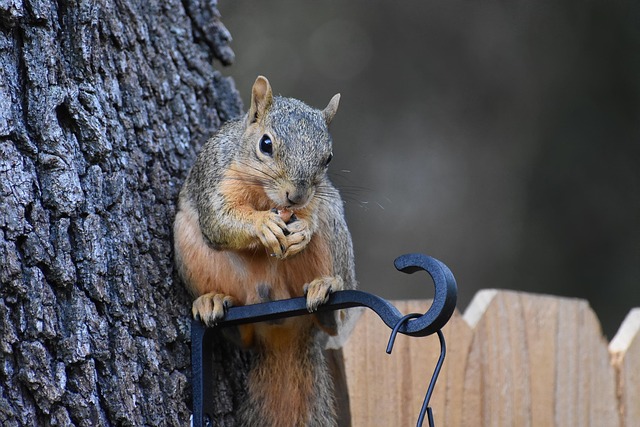
Squirrels are some of the most fascinating little creatures to observe in nature. From their acrobatic leaps between trees to the way they stash nuts for winter, these animals are endlessly intriguing. But one question that often pops up for curious minds is: do squirrels sleep with their eyes open? The answer is more nuanced than a simple yes or no. In this post, we’re going to dive deep into the sleeping habits of squirrels, explore their unique physiology, and uncover how these behaviors have evolved for survival. From my own personal experience watching squirrels in my backyard, the more I learn about them, the more remarkable they seem.
Let’s Understand Squirrel Sleep Patterns Here
Before tackling whether squirrels sleep with their eyes open, it helps to understand how squirrels sleep in general. Unlike humans, squirrels have very flexible sleep habits. They are diurnal creatures, meaning they are active during the day and sleep primarily at night. However, their sleep is not continuous like humans. Instead, it occurs in short naps scattered throughout the day and night. This pattern allows them to stay alert to predators while still getting enough rest.
Squirrels also hibernate differently depending on the species. For example, ground squirrels can enter true hibernation, drastically lowering their metabolism and body temperature for weeks at a time. Tree squirrels, on the other hand, do not hibernate fully but may spend several days staying inside their nests (called dreys) during particularly cold or stormy weather.
The Science of Sleep in Squirrels
Sleep in mammals involves two main stages: REM (Rapid Eye Movement) sleep and non-REM sleep. REM sleep is associated with dreaming and brain activity, while non-REM sleep is essential for physical restoration. Studies on squirrels, especially tree squirrels, show that they experience both REM and non-REM sleep, just like humans. However, squirrels have a much shorter REM cycle. They might enter REM sleep for just a few minutes at a time before waking or shifting positions.
This fragmented sleep pattern is crucial for survival. If a squirrel were to sleep too deeply or too long, it could become an easy target for predators like hawks, snakes, and foxes. So, nature has equipped squirrels with the ability to sleep lightly, often with a heightened awareness of their surroundings.
Do Squirrels Really Sleep with Their Eyes Open?
Here’s where things get interesting. Observers of wild squirrels sometimes report seeing them appearing to sleep with their eyes open. So, what’s going on?
In truth, squirrels can sleep with their eyes partially open, but this is not always the case. It’s more accurate to say that squirrels’ eyes often remain alert even when they are resting, especially when they are in unsafe or unfamiliar areas. This is a survival mechanism. By keeping at least part of their vision active, squirrels can detect threats more quickly than if they were in a deep, unconscious sleep.
Most of the time, though, squirrels sleep with their eyes closed when they are in a secure environment, like inside a nest. Tree squirrels tend to curl up in their dreys, often hiding under leaves and twigs. Ground squirrels may burrow underground to sleep. In these protected spaces, they can relax completely and close their eyes without worrying about predators.
Why Squirrels Might Sleep with Their Eyes Open
There are several reasons why a squirrel might appear to sleep with its eyes open:
- Predator Awareness
Squirrels are prey animals. Hawks, owls, foxes, and other predators constantly threaten them. Sleeping with eyes partially open allows them to wake instantly if danger approaches. - Light Sleep Mode
Squirrels often engage in light sleep, which is a kind of “standby” mode. Their brains are partially alert even while their bodies rest. In this state, eyes may stay slightly open. - Species Variation
Some species of squirrels, especially those that live in more exposed habitats, may have evolved to sleep with their eyes open more often than species that have safer nesting areas. - Young Squirrels
Baby squirrels, like many young mammals, often sleep with their eyes open for the first few weeks of life. Their nervous systems are still developing, and partial eye opening may help them remain aware of their surroundings.
How Squirrels Keep Themselves Safe While Sleeping
If squirrels sometimes sleep with their eyes open, it’s clear that staying safe is a top priority. They also rely on several other strategies:
Nests and Burrows
Tree squirrels build nests called dreys, made from twigs, leaves, and moss. Dreys are usually located in high branches, tucked away from predators. Inside, squirrels line the nests with softer materials like moss, fur, or shredded bark. These nests provide warmth, protection, and a sense of security, allowing squirrels to sleep with closed eyes for longer periods.
Ground squirrels, on the other hand, dig burrows underground. Burrows can have multiple chambers, including sleeping areas and storage rooms for food. Burrows are naturally safer from predators, so these squirrels often feel comfortable closing their eyes completely while sleeping.
Group Living and Vigilance
Some squirrel species, particularly ground squirrels, live in colonies. Living in groups adds a layer of safety because multiple squirrels can stay alert at the same time. When one squirrel notices danger, it can emit warning calls, prompting others to take cover. This social vigilance allows squirrels to have more relaxed sleep cycles when they are surrounded by fellow colony members.
Sleeping Postures
Squirrels also use clever body positioning to protect themselves. Tree squirrels often curl into tight balls, tucking their heads under their tails. This posture makes them less visible and keeps vital areas shielded. Ground squirrels may sleep with their heads facing the tunnel entrance, ready to bolt at a moment’s notice. These positions allow them to rest deeply while staying prepared for emergencies.
Interesting Facts About Squirrel Sleep
Sleep in squirrels is more fascinating than many people realize. Here are some fun, lesser-known facts:
- Squirrels Are Seasonal Sleepers
While they don’t hibernate fully like bears, squirrels can significantly reduce activity during winter months. They rely heavily on stored food and will sleep for longer stretches during particularly cold days. - Power Naps Are Common
Squirrels often take quick naps, even in the middle of foraging. These naps might last only a few minutes but are enough to refresh their energy. - They Adjust Sleep Based on Safety
Squirrels in urban areas or near humans may sleep differently than their wild counterparts. If they feel threatened, they might choose lighter sleep or sleep with eyes partially open. - Eye Movements During Sleep
During REM sleep, squirrels’ eyes may twitch under closed eyelids, similar to humans. This can make it seem like their eyes are partially open. - Memory and Sleep
Sleep helps squirrels consolidate memories, especially for food storage. Studies suggest that squirrels remember thousands of hiding spots for nuts, and proper rest supports this impressive spatial memory.
Observing Squirrel Sleep in the Wild
From my own personal experience, watching squirrels sleep is both tricky and rewarding. Here are some tips for anyone interested in observing these animals without disturbing them:
- Choose Early Morning or Late Evening
Squirrels are less active during dawn and dusk. These are the best times to see them resting or napping. - Use Binoculars
Binoculars allow you to observe from a distance without scaring them away. You might even notice eye movements or tail twitches during sleep. - Watch Dreys or Burrows
Look for tree nests or burrow entrances. Squirrels may peek out briefly but often return inside for extended rest. - Avoid Sudden Movements
Squirrels are sensitive to sudden noises or quick movements. Patience is key.
How Long Do Squirrels Sleep?
On average, squirrels sleep around 12 to 14 hours per day, though this can vary. Tree squirrels may take shorter naps multiple times, while ground squirrels in colder climates may stay underground for longer periods. Sleep length is influenced by several factors, including:
- Weather and temperature
- Presence of predators
- Food availability
- Age and species
My Personal Observations
From my overall experience, squirrels are highly adaptable sleepers. I’ve observed them curling up in tree branches with eyes partially closed, yet still responding instantly to any movement nearby. On other occasions, squirrels in well-hidden dreys will sleep completely with eyes shut, seemingly oblivious to the world around them. This variability underscores their survival instincts, they balance rest and vigilance based on safety, environment, and season.
Myths About Squirrel Sleep
Many myths surround the idea of squirrels sleeping with eyes open. Here are some common misconceptions:
- All squirrels sleep with eyes open – Not true. They can sleep with eyes closed when safe. Partial eye opening is situational.
- Squirrels don’t need much sleep – False. Squirrels sleep around half a day on average, similar to domestic cats.
- Squirrels sleep anywhere – Squirrels are cautious. They choose safe, concealed spots for proper rest.
Why This Matters
Understanding how squirrels sleep is more than trivia. It teaches us about adaptation and survival in the animal kingdom. Sleep patterns in squirrels highlight the balance between resting and remaining alert, a strategy perfected through evolution. By studying these small mammals, we also gain insight into how sleep supports memory, energy management, and predator avoidance.
How Humans Can Learn From Squirrels
Believe it or not, observing squirrels can provide some life lessons:
- Rest Strategically
Squirrels show that rest doesn’t always need to be long or continuous. Short, deliberate naps can recharge energy effectively. - Stay Aware
Even during rest, maintaining awareness of surroundings is valuable. Squirrels instinctively combine sleep and vigilance—something humans can mimic in focus-driven environments. - Adapt to Environment
Sleep patterns in squirrels change based on safety, food, and weather. Flexibility is key to thriving in dynamic conditions.
Final Thoughts
So, do squirrels sleep with their eyes open? The answer is nuanced: they can sleep with eyes partially open but usually only when they feel at risk or are lightly napping. When safe in a cozy nest or burrow, squirrels close their eyes fully and enjoy uninterrupted rest. Their sleep habits reflect a combination of evolution, environmental adaptation, and survival strategy, making them remarkable little creatures to study.
From my own personal experience observing squirrels, their vigilance and adaptability are truly impressive. Even in moments of apparent rest, they remain finely tuned to the world around them, blending rest with readiness. This balance makes squirrels one of the most fascinating animals to watch, whether in a backyard, park, or forest.
If curiosity strikes again, watch the next squirrel in a tree drey during a calm afternoon, you might just catch them dozing with eyes slightly open, living proof of nature’s ingenious strategies for survival.