
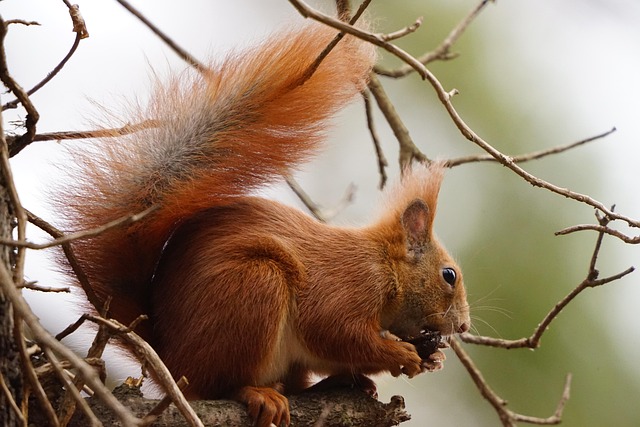
Squirrels are fascinating creatures. They’re agile, curious, and sometimes a little mischievous. While most people are familiar with seeing squirrels dart across the yard or chase each other up trees, not everyone knows much about the sounds these tiny animals make. Squirrels are surprisingly vocal, and their noises communicate a lot about their behavior, mood, and intentions. Understanding these sounds can make spending time outdoors more engaging, and it’s easier than most people think to identify what a squirrel is trying to tell.
Why Squirrels Make Noise
Squirrels rely on their senses to survive. Sight, smell, and hearing are all essential for detecting predators, finding food, and interacting with other squirrels. Noise is part of their communication toolkit. From my own personal experience, observing squirrels in my backyard for months has revealed that their noises are not random. Each sound carries meaning, and recognizing these noises can help understand squirrel behavior better.
Squirrels primarily make noises for three reasons:
Warning or alarm calls – signaling danger to nearby squirrels.
Mating calls or communication – attracting a mate or announcing territory.
Social interaction – establishing dominance, curiosity, or playing with other squirrels.
These categories overlap, and some noises serve multiple purposes depending on context.
The Common Noises Squirrels Make
Squirrels produce a wide range of sounds. Each type of noise varies based on species, location, and individual temperament. Here’s a breakdown of the most common noises and what they mean:
1. Chattering or Barking
Squirrels often make a rapid chattering or barking noise. It sounds similar to a mix between a bird chirp and a dog bark. This noise is typically an alarm call, warning other squirrels of a potential threat. You’ll often hear it when a squirrel spots a predator like a hawk, cat, or dog. The intensity and speed of the chattering can indicate how serious the threat is.
From my own personal experience, hearing the rapid chatter of squirrels in the early morning often signals that a hawk has been circling the area. It’s fascinating because other squirrels seem to react immediately, freezing or climbing higher into trees.
2. Screeching or Whining
A high-pitched screech or whining sound is usually made when a squirrel is agitated or scared. This can occur when a squirrel is cornered or feels threatened by a human or animal. Some squirrels also screech during aggressive encounters with other squirrels.
The sound can be sharp and sudden, making it startling to humans, but it’s their way of saying, “Stay away!” Observing a squirrel screeching often reveals interesting body language, such as a puffed-up tail and tense posture.
3. Growling or Teeth Chattering
Squirrels sometimes make a low growling noise accompanied by teeth chattering. This is different from the regular chatter or screech. It often occurs during territorial disputes or fights between squirrels. The sound is a warning to other squirrels to back off.
From my own personal experience, I’ve seen squirrels in my neighborhood engage in playful fights that escalate into full territorial displays. The growling, combined with tail flicking, made the interaction clear—these squirrels were protecting their food stash or nesting area.
4. Purring or Quiet Chirps
Not all squirrel noises are aggressive or alarm-based. Squirrels also make soft purring or chirping noises when they are calm or interacting with their babies. Mother squirrels often use these sounds to communicate with their young, signaling safety or guiding them toward food.
These subtle noises are easy to miss unless you’re paying attention. They’re often drowned out by louder environmental sounds, but if spotted, they offer a heartwarming glimpse into squirrel social life.
5. Tail-Rattling Sounds
Interestingly, squirrels can make noise without vocalizing. The sound of their tail rattling against branches is another form of communication. This noise can signal alertness or aggression. While it’s not a vocal sound, it complements their vocalizations in conveying a message to other squirrels.
Differences Between Squirrel Species
Not all squirrels make the same noises. Differences in species, size, and habitat influence their communication style. Here’s a quick overview:
Eastern Gray Squirrel: Known for chattering and occasional screeching. Highly vocal during mating season.
Red Squirrel: Produces a rapid, high-pitched “kuk-kuk-kuk” sound, often used as a territorial warning.
Fox Squirrel: Their calls are deeper and less frequent but include a combination of barks and purrs.
Ground Squirrels: Less vocal than tree squirrels but produce alarm calls similar to birds when predators are near.
Understanding these distinctions helps identify the species without needing to see them, which is useful for wildlife enthusiasts.
When Squirrel Noises Are Most Common
Squirrel noises aren’t evenly distributed throughout the day. They tend to be more vocal during certain periods:
Morning Hours: Squirrels are most active in the morning. Alarm calls and chattering are common as they search for food.
Mating Season: Squirrels make more frequent and louder noises during mating season, usually in late winter and early spring.
Predator Presence: Anytime a predator enters the area, expect a spike in warning calls.
Human Activity: Squirrels can adjust their noise levels depending on human presence. Some become louder to warn others, while others may stay quiet to avoid detection.
From my own personal experience, early morning walks in the park are filled with an orchestra of squirrel chatter. It’s incredible how coordinated the sounds seem, almost like they’re sharing information efficiently.
Why Humans Often Misinterpret Squirrel Sounds
Squirrels’ noises can be confusing to humans. Many of their calls are short, rapid, or high-pitched, making them easy to mistake for bird calls, rustling leaves, or even random environmental sounds.
Humans often interpret squirrel chattering as aggressive behavior, but in many cases, it’s just communication. Recognizing the context—such as the presence of a predator or a nearby squirrel—helps clarify the situation. Observing the body language of squirrels alongside their vocalizations gives the full picture.
How to Listen Like a Wildlife Expert
Listening to squirrel noises is a rewarding experience if approached carefully. Here are some tips:
- Stay quiet: The less noise made, the more likely squirrels are to vocalize naturally.
- Watch behavior: Tail flicks, rapid movements, or climbing often accompany vocalizations.
- Record and analyze: Using a simple phone recorder can help study patterns later.
- Observe over time: Different squirrels have unique “voices” or preferred noises.
From my own personal experience, keeping a notebook of squirrel noises in my backyard has allowed me to identify patterns, like specific alarm calls for cats versus hawks. Over time, the differences become surprisingly noticeable.
Fun Facts About Squirrel Communication
Squirrels are more complex than they appear. Here are some interesting facts:
- They mimic predator sounds: Some squirrels can imitate hawks or other predators as a bluff.
- Multiple alarm levels: Their calls vary based on the severity of danger.
- Cross-species communication: Birds and other wildlife often respond to squirrel alarms.
- Learning from experience: Young squirrels learn specific calls from mothers or older siblings.
These facts make squirrels more than just cute backyard visitors—they’re intelligent, communicative, and adaptable.
Common Misconceptions About Squirrel Noises
There are myths about squirrel sounds that are worth clarifying:
- “Squirrels are always aggressive.” Not true. Many noises are harmless social interactions.
- “Squirrels only make noise when threatened.” Squirrels vocalize for mating, play, and care for their young.
- “All squirrels sound the same.” Species, location, and individual temperament affect their vocalizations.
Understanding these distinctions ensures a more accurate perception of squirrel behavior.
Using Squirrel Noises for Backyard Observation
If squirrels frequent your yard, their noises can be used for observation and enjoyment. Here’s how:
- Identify species based on sound and size.
- Observe feeding patterns and favorite trees or hiding spots.
- Record vocalizations to track seasonal behavior.
- Learn alarm call meanings to anticipate when a predator is nearby.
From my own personal experience, tuning into these noises has transformed backyard time into a mini wildlife study session. It’s entertaining and educational.
Conclusion
Squirrels may be small, but their vocalizations carry a world of meaning. From alarm calls and mating cries to gentle purrs and tail rattles, squirrels communicate constantly. Listening closely and observing carefully allows an intimate glimpse into their lives. The next time a squirrel chatters nearby, take a moment to decode the message—it’s more fascinating than most imagine.
By understanding squirrel noises, it’s possible to appreciate the intelligence and adaptability of these creatures. From my own personal experience, learning to recognize their calls turns ordinary backyard sightings into an engaging and educational wildlife experience.