
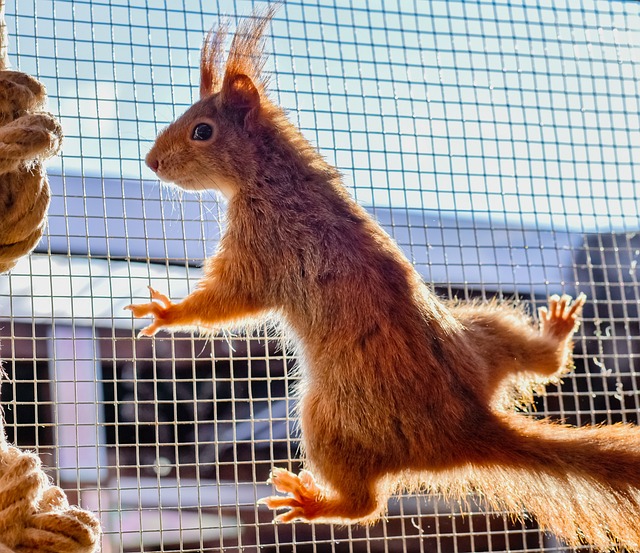
Have you ever wondered where squirrels disappear to when the sun goes down? You see them all day, dashing up trees, leaping from branch to branch, and digging around in the grass, but once it’s dark, they seem to vanish completely. So where do squirrels sleep at night? Do they curl up in nests like birds, or burrow underground like rabbits? Let’s dig into their secret nighttime lives and uncover what really happens once the world gets quiet.
The Simple Truth About Where Squirrels Sleep
Squirrels are smarter and more resourceful than most people realize. They plan their resting spots based on safety, warmth, and season. Depending on the type of squirrel, whether it’s a tree squirrel, ground squirrel, or flying squirrel, their sleeping habits can look very different.
Tree squirrels prefer nests high above ground for protection. Ground squirrels dig burrows deep in the earth for safety and comfort. Flying squirrels, on the other hand, choose hidden cavities or abandoned bird nests where they can glide off easily if threatened.
From my own personal experience watching squirrels in my backyard, I noticed that they always pick spots where predators can’t easily reach them and where they can stay dry through cold or rainy nights.
The Main Types of Squirrels and How They Sleep
Squirrels fall into three main categories: tree squirrels, ground squirrels, and flying squirrels. Each has a unique sleeping habit suited to its lifestyle and environment.
Tree Squirrels
Tree squirrels are the ones you often see in parks, gardens, or climbing power lines. They include gray squirrels, red squirrels, and fox squirrels. These squirrels build nests, called dreys, usually found in tall trees.
A drey looks like a big messy ball of leaves and twigs, but inside, it’s warm, dry, and surprisingly neat. They line the inside with soft materials like moss, shredded bark, or fur. This keeps them insulated and comfortable during cold nights.
Tree squirrels build their nests high enough to stay out of reach from predators like cats, snakes, or raccoons. The higher the nest, the safer the squirrel feels.
When the weather turns cold, tree squirrels may retreat to tree cavities, natural holes formed by broken branches or decayed trunks. These spots offer better insulation and are more stable than leaf nests during winter storms.
Ground Squirrels
Ground squirrels, like the California ground squirrel or the thirteen-lined ground squirrel, are different. They live mostly on or under the ground. These squirrels dig burrows, long tunnels with multiple chambers that act as bedrooms, food storage areas, and escape routes.
At night, they sleep deep inside their burrows, away from predators. Their underground homes stay cool in the summer and warm in the winter.
During colder months, some ground squirrels go into hibernation. They lower their body temperature and heart rate to save energy, sleeping for weeks or even months at a time. Others stay semi-active, waking occasionally to eat stored food.
Flying Squirrels
Flying squirrels are nocturnal, meaning they’re most active at night. These adorable gliders spend their days sleeping in tree cavities or abandoned bird nests.
Their sleeping spots are well hidden because flying squirrels are small and need extra protection. They often share their nests with other flying squirrels, especially in cold weather, to share body heat.
At night, once they’re awake, they glide between trees in search of food, nuts, seeds, fruits, and insects, before returning to their cozy homes before dawn.
How Squirrels Build Their Nests
One of the most fascinating things about squirrels is their nest-building skill. A drey isn’t just a pile of leaves; it’s a carefully constructed shelter.
Here’s how they do it:
Choosing the Perfect Spot
Squirrels always look for sturdy branches high in trees, usually near the trunk for extra stability. They prefer spots protected from wind and rain.
Creating the Base
They start with twigs, weaving them into a strong foundation. This outer layer provides structure and keeps the nest firm during storms.
Insulating the Inside
After the base is set, squirrels collect soft materials like moss, leaves, grass, or feathers. This lining traps heat and makes the nest comfortable.
Adding the Final Touches
Finally, they seal gaps with extra leaves to make the nest waterproof and cozy.
A single squirrel may build several dreys and rotate between them, especially if one gets damaged or infested with bugs.
Do Squirrels Sleep Alone or Together?
That depends on the species and the season.
Tree squirrels usually sleep alone, except during the coldest months. In winter, they may share nests with other squirrels to stay warm. Flying squirrels, on the other hand, are more social and often sleep in small groups. Ground squirrels also huddle together in burrows when temperatures drop.
Sharing body heat helps them survive harsh nights without using too much energy.
How Long Do Squirrels Sleep?
Squirrels are diurnal animals (except flying squirrels), which means they’re active during the day and sleep at night. On average, a squirrel sleeps 12 to 15 hours per day.
They rest mostly at night but also take naps throughout the day, especially after eating. Just like people, they enjoy short breaks after a busy morning of running, digging, and gathering food.
During winter, when food is scarce and the cold sets in, they sleep even longer. Ground squirrels may hibernate, while tree squirrels reduce their activity to conserve energy.
What Keeps Squirrels Safe While They Sleep
Safety is a big deal for squirrels. They know predators are always watching — owls, hawks, snakes, and raccoons are all threats.
To stay safe, squirrels:
- Build nests high off the ground or deep underground
- Use multiple nests so they can move if one becomes unsafe
- Choose locations hidden by thick branches or dense leaves
- Sleep lightly, waking quickly at any sound
Their excellent hearing and quick reflexes make it hard for predators to catch them off guard.
Where Do Squirrels Sleep During Different Seasons
Squirrels adjust their sleeping habits with the seasons. Their main goal is to stay safe, warm, and fed year-round.
Spring
During spring, squirrels repair old nests or build new ones. The weather is mild, and trees are full of fresh leaves, making it easier to find materials. Mothers with babies use larger nests to raise their young.
Summer
In summer, squirrels may have multiple nests. They switch between them to stay cool and avoid parasites. You’ll often see them napping in shaded spots during the day to escape the heat.
Autumn
Autumn is all about preparation. Squirrels gather and store food for winter, hiding nuts and seeds in various locations. They also strengthen their nests to handle cold weather and wind.
Winter
In winter, most tree squirrels retreat to tree cavities or tightly packed dreys. Ground squirrels hibernate in burrows, while flying squirrels share dens to conserve heat.
During this season, they minimize activity, only venturing out on mild days to grab a quick snack.
Baby Squirrels and Their Sleeping Habits
Baby squirrels, called kits or pups, stay in the nest for several weeks after birth. Their mother builds a special drey just for them, warmer, thicker, and hidden.
The babies are born blind and hairless, so they rely completely on their mother for warmth and protection. She keeps them safe in the nest until they’re strong enough to move around.
As they grow, they start to explore nearby branches, learning how to climb, balance, and eventually build their own nests.
What Happens If a Squirrel’s Nest Is Destroyed?
Nature isn’t always kind. Storms, predators, or even people can damage a squirrel’s nest. But squirrels are quick thinkers.
If a drey is destroyed, the squirrel immediately moves to one of its backup nests. That’s why most squirrels build multiple nests around their territory.
If all else fails, they’ll spend a night or two in a tree cavity until they can rebuild. Their instinct to always have a plan B helps them survive tough situations.
Can You Spot a Squirrel’s Sleeping Nest?
You can, but you’ll need to know what to look for.
Tree nests (dreys) appear as large bundles of leaves high in trees, often shaped like round balls about the size of a football. They’re usually found where branches meet the trunk.
Tree cavities are harder to spot, but if you notice a squirrel frequently disappearing into a hole, you’ve probably found its sleeping spot.
Try to observe quietly without disturbing them. Squirrels get nervous if they sense someone’s watching too closely.
Why Squirrels Rarely Sleep on the Ground
Sleeping on the ground is dangerous for squirrels. Predators can easily reach them there, and weather conditions can be harsh.
Ground squirrels are an exception because they dig deep burrows that protect them from threats. For tree and flying squirrels, though, sleeping on the ground would mean risking their lives.
That’s why tree squirrels always climb to safety and flying squirrels choose elevated hiding spots. Height means survival.
How Weather Affects a Squirrel’s Sleep
Squirrels are very sensitive to weather changes.
- Rainy Nights: They stay inside their nests, which are built to be waterproof.
- Windy Conditions: They avoid nests on weaker branches to prevent falling.
- Cold Temperatures: They huddle together or move to tree cavities for extra warmth.
- Hot Weather: They rest in shaded spots or cooler nests.
They adapt quickly, knowing how to keep themselves safe and comfortable in every season.
How Urban Squirrels Sleep Differently
Squirrels living in cities or suburban areas have adapted in smart ways. Without many natural trees, they use whatever’s available.
Urban squirrels may sleep:
- Inside attics or roof spaces
- In building gaps or chimneys
- In large potted plants or artificial structures
From my own personal experience living near city parks, I’ve seen squirrels sneaking into roof vents or tree planters to rest. It shows how flexible they are, they’ll make any safe spot their home.
They still build dreys, but they use unusual materials like paper, insulation, or plastic instead of natural ones.
What Squirrel Sleep Can Teach You About Nature
Watching squirrels gives a better understanding of how animals adapt and survive. Their sleeping habits show intelligence, patience, and planning.
They know when to build, when to rest, and how to protect themselves. They remind us that even in the wild, success depends on preparation and flexibility.
Squirrels are living proof that survival isn’t about size or strength, it’s about awareness and smart choices.
Common Myths About Where Squirrels Sleep
Let’s clear up a few common myths that people still believe.
Myth 1: Squirrels Sleep Hanging from Branches
They don’t. Squirrels always sleep in secure nests or holes. Hanging would be too dangerous.
Myth 2: Squirrels Hibernate in Trees
Only ground squirrels hibernate. Tree squirrels stay active through winter, sleeping more but still leaving their nests to eat.
Myth 3: Squirrels Sleep in the Same Nest Forever
They rotate between multiple nests. This helps prevent parasite build-up and keeps them safer from predators.
Myth 4: Squirrels Sleep All Night Without Waking
Squirrels are light sleepers. Any sudden noise or vibration can make them jump awake.
Why Understanding Their Sleep Matters
Knowing where squirrels sleep isn’t just curiosity. It helps you understand how to live alongside them without causing harm.
If you spot a drey in your yard, avoid trimming that tree during nesting season. And if you find a baby squirrel outside, it may have fallen from its nest, sometimes the mother returns to retrieve it.
Squirrels are an important part of the ecosystem. They spread seeds, help forests grow, and provide food for other animals. Respecting their space keeps nature in balance.
Final Thoughts
So, where do squirrels sleep at night?
They rest safely tucked away in nests, tree cavities, or burrows, depending on their type. They choose spots that keep them warm, dry, and hidden from danger. Whether in forests or city parks, squirrels always find a way to create comfort and safety.
From my own personal experience observing them, it’s amazing how such small creatures live such organized and smart lives. Every move they make, from nest building to sleeping, has a clear purpose.
Next time you see a squirrel darting across your yard, take a moment to think about its hidden world. While you’re winding down for bed, that little creature is curling up in its cozy nest, ready for another busy day tomorrow.