
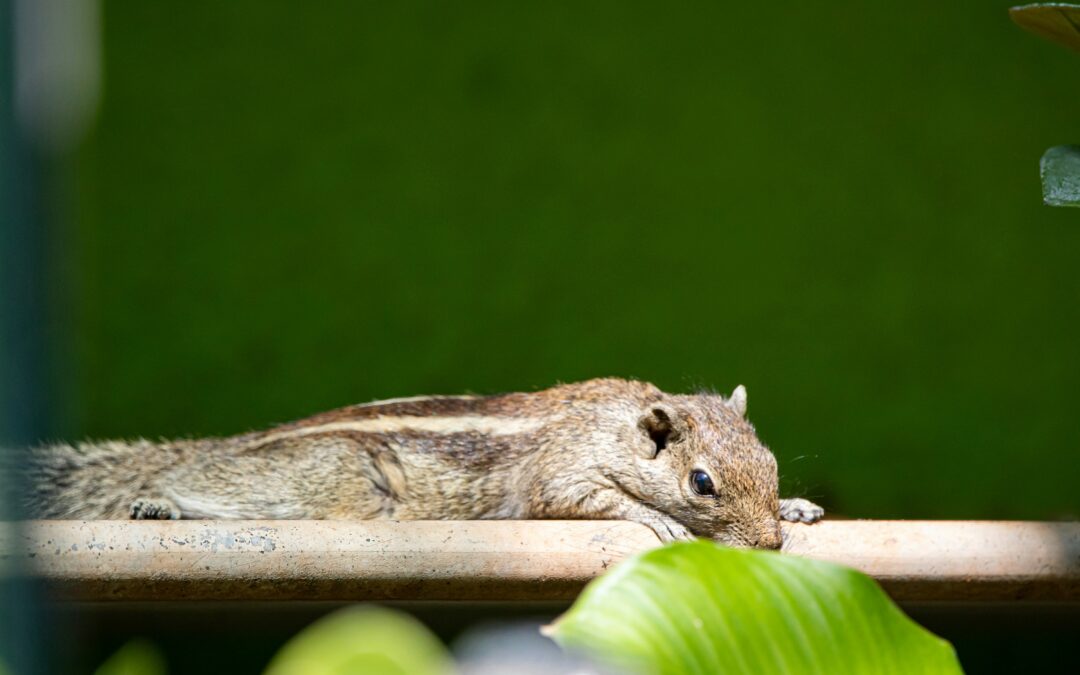
If you’ve ever spotted a baby squirrel, you probably noticed how tiny and fragile they look. Baby squirrels, also called kits or pups, depend completely on their mother for warmth, food, and protection during the first weeks of life. Their eyes are closed, their ears folded, and their skin looks almost hairless. At this stage, feeding them correctly is the single most important thing for their survival.
Baby squirrels cannot digest solid food when they are first born. Instead, they rely on milk, either their mother’s milk or a replacement formula provided by humans if the mother is not around. What makes feeding tricky is that baby squirrels have sensitive digestive systems. Giving them the wrong type of food, or even feeding too much too quickly, can harm them.
Why Their Diet Matters So Much
A baby squirrel’s growth depends heavily on what it eats. Unlike adult squirrels that can eat a wide variety of foods such as nuts, seeds, fruits, and vegetables, baby squirrels need a diet designed for slow and steady growth. If they don’t get the right nutrients, they can suffer from stunted growth, weak bones, or even fatal digestive issues. This is why feeding guidelines are so specific for their age and size.
Another reason their diet matters is because of hydration. Baby squirrels dehydrate very fast. The balance of water and nutrients in what they eat helps keep their tiny bodies stable. A single mistake, like feeding cow’s milk, can upset this balance and cause bloating or diarrhea.
The Role of Milk in Their Diet
Milk is the main source of nutrition for baby squirrels. But it’s not just any milk. Squirrel mothers produce milk that is rich in fat, protein, and essential nutrients. Since you can’t really get squirrel milk in a bottle, wildlife rehabilitators recommend special replacement formulas that mimic the composition of mother’s milk as closely as possible.
Some of the most common replacement formulas include puppy milk replacers, mixed with supplements that increase fat and calcium levels. These replacements make sure the babies develop strong bones, a healthy coat, and enough energy to grow.
From my own personal experience, I’ve seen that feeding schedules play as important a role as the formula itself. If you give too much milk at once, the baby might choke or aspirate fluid into the lungs. On the other hand, giving too little can leave them weak and restless. Consistency and the right portion sizes are key.
Transitioning to Soft Foods
As baby squirrels grow, usually around five to six weeks of age, they start showing interest in nibbling solid food. This is the point where their diet slowly changes. You can introduce soft foods like small pieces of avocado, apple, or soaked rodent blocks. These foods are easy to chew and digest, but they should never replace milk right away.
The transition is gradual. For a couple of weeks, milk should remain their main source of food, with soft foods being introduced in small amounts. This way, their digestive system learns how to handle fiber and complex sugars without getting upset.
What Foods Work Best for Weaning
Weaning baby squirrels is a delicate process. The best starter foods are those that are both nutritious and safe. Soft fruits like grapes, melon, or apple slices are usually well-received. You can also add leafy greens such as kale or spinach in tiny amounts.
Specially designed rodent blocks are one of the most reliable weaning foods. These blocks provide balanced nutrition and help the baby’s teeth develop properly. Unlike sugary fruits, rodent blocks don’t create long-term health problems.
Weaning should be complete by ten to twelve weeks of age. At this stage, the squirrel should be confident enough to eat solids while slowly dropping the bottle feeds.
What You Should Never Feed a Baby Squirrel
One of the biggest mistakes people make is giving baby squirrels the wrong type of milk. Cow’s milk, goat’s milk, and soy milk may seem like simple options, but they are unsafe. These types of milk can cause diarrhea, bloating, and dehydration, which can quickly become life-threatening.
Baby squirrels should also never be given processed human food like bread, cookies, or crackers. Even if the baby seems eager to nibble on them, those foods have no nutritional value and can harm development. Nuts should also be avoided in the early weeks. While nuts are part of an adult squirrel’s diet, baby squirrels cannot handle the fat content or hard texture.
Hydration and Electrolytes
Hydration goes hand-in-hand with feeding. Sometimes, an abandoned baby squirrel might be found weak, cold, and dehydrated before feeding even begins. In those cases, rehydrating them with an electrolyte solution like a homemade sugar-salt mix or a commercial product is essential before giving any formula.
Electrolytes help restore energy, balance salts, and prevent shock. Giving formula before proper hydration can actually make things worse, so this step is crucial.
How Often Should Baby Squirrels Eat?
Feeding frequency depends on age. Newborn squirrels, less than two weeks old, need to be fed every two to three hours around the clock. As they grow older, the feeding sessions spread out. By the time they are six weeks old, feeding every four hours is usually enough.
Overfeeding is just as dangerous as underfeeding. Too much formula at once can lead to bloating, gas, and even aspiration pneumonia. That’s why careful measurement of formula portions is always recommended.
Preparing Food Safely
Cleanliness during feeding is another key factor. Baby squirrels are vulnerable to bacteria and infections. Always wash hands before preparing formula, sterilize feeding syringes, and ensure the formula is warmed to body temperature before offering it.
A feeding syringe without a needle is the safest tool to use. Bottles designed for small animals can also work, but syringes give more control and reduce the chance of the baby choking.
The Shift to a More Natural Diet
By the time baby squirrels reach ten to twelve weeks, their diet should look a lot like that of wild adult squirrels. This means a mix of nuts in shells, seeds, leafy greens, fresh vegetables, and occasional fruits. Their teeth will be strong enough to handle harder foods, and their digestive system ready to break down more complex nutrients.
This stage is also when you start seeing their playful nature kick in. The energy from solid food fuels their climbing, jumping, and exploring behaviors. That activity, paired with a balanced diet, prepares them for life outside if they are going to be released into the wild.
Why Balanced Nutrition Matters for Long-Term Health
The diet you give a baby squirrel doesn’t just affect growth in the first months; it shapes their health for life. A squirrel that grows up on a poor diet is more likely to develop metabolic bone disease, dental issues, or weak immunity. On the other hand, one that eats a proper diet grows into a strong, energetic adult capable of surviving in nature.
Balanced nutrition also reduces the risk of obesity. Even though squirrels burn a lot of energy, giving them too many high-fat foods too early creates long-term problems. That’s why it’s so important to start with milk, shift gradually, and keep variety in their diet.
Observe Behavior to Adjust Diet
One interesting part of raising or caring for baby squirrels is how much you can learn from watching their behavior. For example, if a baby turns its head away after a few drops of formula, it’s full. Forcing more can lead to accidents. Similarly, if you notice bloating, loose stool, or constant restlessness, it’s usually a sign that the diet needs adjusting.
Observation becomes especially important during weaning. Some babies may take to solid food quickly, while others need more time. Patience and careful observation help prevent digestive problems and ensure smooth growth.
Common Mistakes People Make
A common mistake is assuming baby squirrels can eat the same foods as adults. This assumption leads to feeding nuts and seeds too early. Another mistake is using the wrong formula or changing formulas too often, which can upset digestion.
Some people also feed too cold or too hot formula, which can harm the baby’s stomach. Warming the formula to body temperature before each feed avoids this issue.
Finally, skipping nighttime feedings during the first weeks is another mistake. Unlike human babies that can sometimes sleep longer stretches, baby squirrels need round-the-clock care at the start.
My Final Word on Care
Feeding baby squirrels is as rewarding as it is challenging. It requires patience, precision, and a real understanding of their needs. With the right diet, they grow into curious, lively young squirrels ready to thrive on their own.
Based on my overall experience, I’ve seen how small details—like the timing of feeds, the temperature of the formula, or the choice of weaning foods, make a huge difference. If you ever find yourself caring for a baby squirrel, remember that every stage of feeding is a step toward giving them a healthy future.
Conclusion
What baby squirrels eat depends entirely on their age and stage of growth. From specialized milk formulas in the first weeks, to soft fruits and rodent blocks during weaning, and finally to a varied solid diet by three months, every phase matters. The right food not only keeps them alive but ensures they grow into strong, capable adults.
From my own personal experience, nothing compares to watching a baby squirrel transform from a helpless tiny pup into a confident young climber. It all starts with giving them the right food at the right time.