
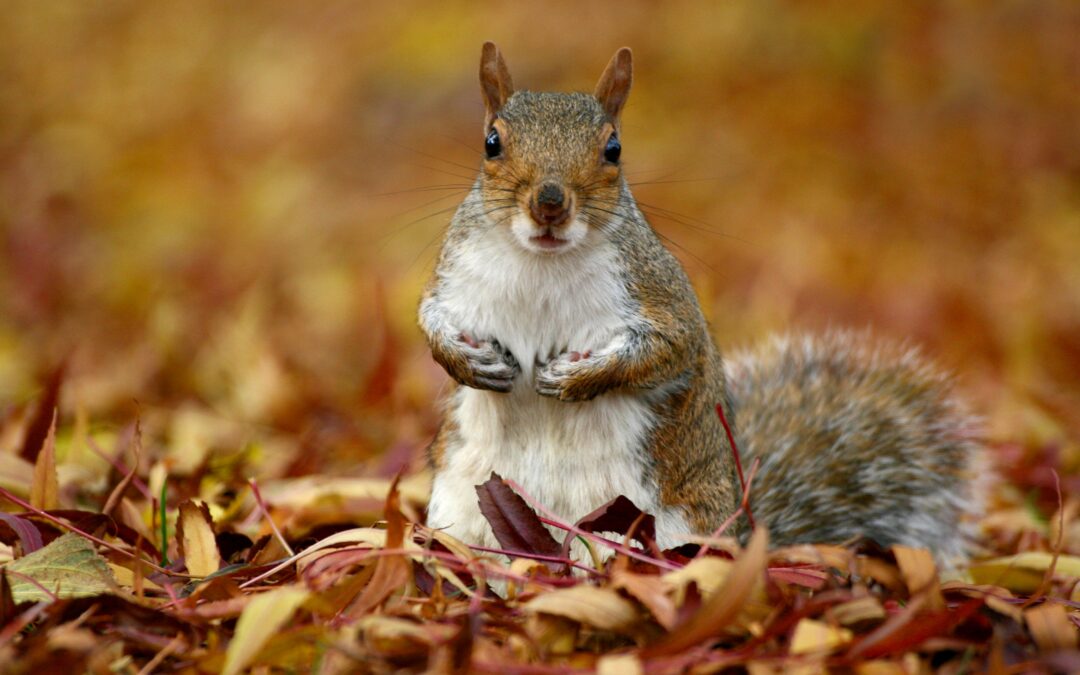
Squirrels are everywhere. They show up in backyards, city parks, and even apartment balconies if food is around. They’re curious, quick, and surprisingly smart. Many people enjoy feeding squirrels as a fun way to connect with wildlife. But the question always comes up: what is safe to give them?
Two popular options are pistachios and almonds. Both are widely available, both are nutrient-packed, and both are technically edible for squirrels. But are they equally good? Should you lean toward one or the other? Or should you avoid both?
This guide breaks it all down.
Squirrels and their natural diet
Before comparing pistachios and almonds, it helps to understand what squirrels actually eat in the wild. Their diet isn’t as random as you might think.
Squirrels are opportunistic eaters, but their main staples include:
- Seeds
- Acorns
- Walnuts
- Fruits
- Berries
- Mushrooms
- Tender plants
Nuts are a natural favorite. They’re calorie-dense, easy to carry, and stashable for winter. But not all nuts are the same for squirrels. Some are high in fats they need, others can cause digestive stress if given too often.
Pistachios for squirrels
Let’s start with pistachios.
Pistachios are greenish nuts inside beige shells. For people, they’re tasty and nutritious. They contain protein, fiber, vitamins, and healthy fats. But squirrels process food differently from humans.
The pros of pistachios for squirrels:
Energy boost: Pistachios are rich in fats and calories, giving squirrels quick fuel for climbing and foraging.
Protein content: Protein helps squirrels build muscle and stay strong.
Micronutrients: Pistachios have vitamin B6, potassium, and antioxidants that can support overall health.
The cons of pistachios for squirrels:
Salted pistachios are a problem: Most store-bought pistachios are salted. Salt is not healthy for squirrels. Too much can dehydrate them and strain their kidneys.
Processed pistachios sometimes contain flavorings: Anything coated in chili, sugar, or artificial additives is unsafe.
High fat content: While fat is essential, too much can lead to obesity in squirrels if they get pistachios too often.
Best way to offer pistachios:
If you want to share pistachios, only give unsalted, raw, or roasted pistachios. Always leave the shells cracked open so the squirrel doesn’t struggle.
Almonds for squirrels
Now, let’s look at almonds.
Almonds are technically seeds, though most people call them nuts. They are packed with vitamin E, magnesium, protein, and fiber. Humans eat them raw, roasted, or processed into butter and milk.
The pros of almonds for squirrels:
Good energy source: Like pistachios, almonds provide fat and protein.
Vitamin E: Supports cell health, which may be useful for active animals like squirrels.
Hard texture helps teeth: Squirrels’ teeth grow constantly, and chewing almonds can help keep them trimmed.
The cons of almonds for squirrels:
Bitter almonds are toxic: Regular sweet almonds are fine in moderation, but bitter almonds contain cyanide compounds that are dangerous.
High fat, low variety: If squirrels eat too many almonds, they may ignore other foods, leading to imbalance.
Store-bought flavored almonds are unsafe: Just like pistachios, any almond with salt, sugar, or coating is not good for squirrels.
Best way to offer almonds:
Stick to plain, raw, unsalted almonds. Offer sparingly, treat them as a snack, not a daily staple.
Pistachios vs. Almonds: Which is better?
If you’re wondering whether pistachios or almonds are the better choice, here’s the breakdown:
- Nutritional density: Both are calorie-rich, but pistachios have slightly more antioxidants and beneficial compounds for heart health.
- Digestibility: Squirrels seem to handle pistachios a bit better than almonds, especially when the almonds are raw and hard.
- Variety factor: Pistachios may be safer as an occasional treat. Almonds are okay too, but the risk of giving a bitter almond makes them slightly trickier.
- Practicality: Pistachios are easier for squirrels to open when cracked, while almonds are hard and may not be as fun for them to eat.
So, pistachios win as a more convenient and slightly safer option—but only if unsalted.
From my own personal experience
I’ve spent years watching squirrels in backyards and local parks, and from my own personal experience, squirrels seem to prefer pistachios over almonds. When given both side by side, they often grab the pistachio first. They also seem more eager to come back when pistachios are on offer.
That doesn’t mean almonds aren’t good. I’ve noticed squirrels will still take almonds and stash them away for later. But pistachios trigger more excitement. Maybe it’s the smell, or maybe the softer shell makes them feel like a quick win.
Risks of overfeeding nuts
No matter which nut you choose, there are risks if squirrels get too many.
- Obesity: Squirrels can gain unhealthy weight if humans provide calorie-rich foods daily.
- Dependency: If squirrels rely too much on human snacks, they may stop foraging naturally.
- Digestive issues: Too many fats at once can upset their stomachs.
The safest approach is moderation. Think of nuts as treats, not the main meal.
Alternatives to pistachios and almonds
If you want to mix things up, here are other safe options:
- Walnuts (unsalted, raw)
- Hazelnuts
- Pecans
- Pumpkin seeds
- Fresh fruits like apples or grapes (cut small, seeds removed)
These add variety and reduce the chance of overloading on one type of fat.
Should you feed squirrels at all?
This is a bigger question. Some experts say feeding squirrels isn’t ideal, since it makes them dependent on humans. Others say occasional treats are fine and create enjoyable interactions.
The middle ground works best: offer small amounts once in a while, not daily. Encourage squirrels to forage naturally. If you do give them food, keep it clean, simple, and safe.
Final thoughts
So, pistachios vs. almonds, what’s the verdict?
- Pistachios are slightly better for squirrels, provided they’re unsalted and natural.
- Almonds are okay too, but they carry a small risk if bitter almonds ever get mixed in.
- Both should be given in moderation, as occasional treats.
Feeding squirrels can be fun, rewarding, and a way to connect with nature. Just remember, balance is everything. A squirrel that eats a mix of nuts, seeds, fruits, and wild finds will always be healthier than one living off human snacks alone. extra details?