
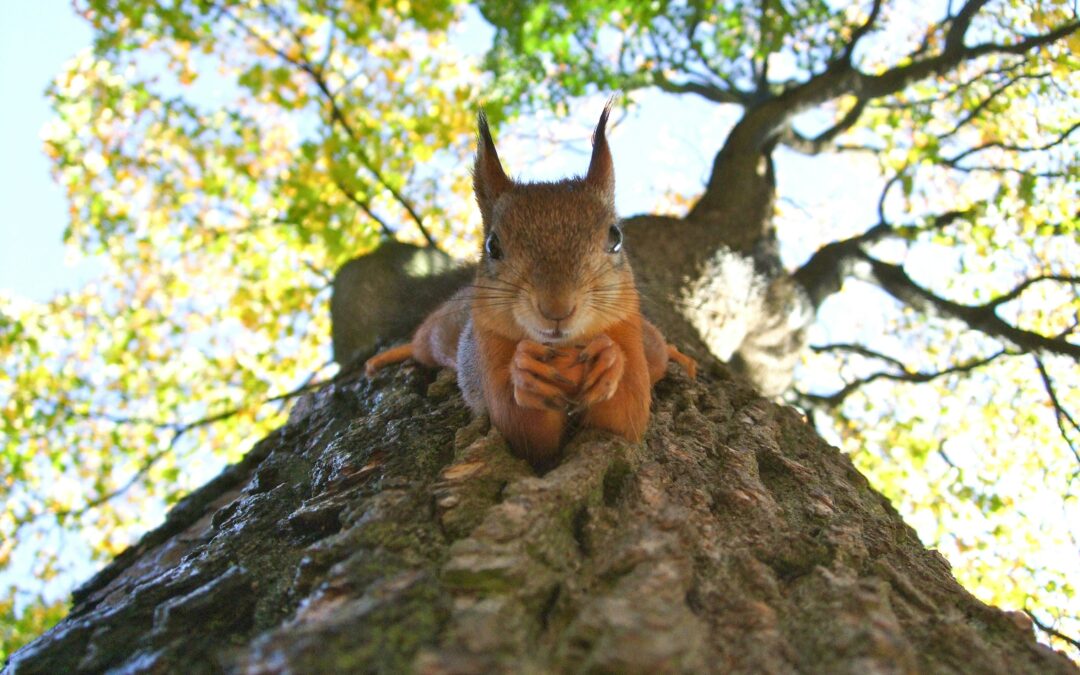
Have you ever been caught in the middle of a sudden downpour and wondered about the tiny creatures sharing the same space as you? You grab an umbrella or dash under a roof, but what about squirrels? These energetic little animals seem unstoppable when the weather is nice. They leap across trees, run through parks, and even raid bird feeders without hesitation. But as soon as the first heavy raindrops hit, they vanish.
That raises a curious question many people ask: Where do squirrels go when it rains?
This might sound like a simple question at first, but once you start looking closer, it opens up an entire world of animal behavior, instinct, and clever survival strategies. Let’s explore in detail how squirrels handle rain, where they hide, what behaviors they adopt, and even how different squirrel species might deal with storms differently.
And yes, I’ll also share a few insights from my own personal experience, because watching squirrels in action during unpredictable weather has always fascinated me.
Why Squirrels Need Shelter From Rain
Before we get into the details of their hiding spots, it’s important to understand why squirrels even care about rain. After all, plenty of animals roam around wet and muddy without worry.
Body Temperature: Squirrels rely on their fur to stay warm. When that fur gets soaked, it loses insulation power, making it harder for them to regulate temperature. Staying wet for too long could lead to hypothermia, especially in cooler climates.
Energy Conservation: A wet squirrel needs more energy to stay warm. Instead of wasting calories running around during a storm, it’s safer for them to stay hidden and wait it out.
Vision and Safety: Rain reduces visibility, making it harder for squirrels to spot predators. Thunderstorms also make loud noises that can mask the sound of approaching threats. Staying hidden keeps them safer.
So, it’s not just about comfort, it’s a matter of survival.
Their First Line of Defense: Dreys
When people think of squirrel homes, the most common image is the drey, those large, round nests you see tucked high in trees. Made from leaves, twigs, and moss, dreys might look flimsy from the ground, but they’re surprisingly sturdy.
- Structure: A well-built drey has a strong base of sticks, layered with softer materials like leaves, bark, or moss inside. This makes it a cushioned and insulated hideaway.
- Rain Protection: Squirrels usually build dreys with overlapping layers of leaves, which naturally repel water. The nest is shaped almost like a dome, keeping the rain from soaking through.
- Placement: Most dreys are built on forked branches close to the trunk. This location gives extra stability against wind and better coverage from the tree canopy.
When rain begins, a squirrel can quickly scurry into its drey, curl up tightly, and stay relatively dry until the storm passes.
Tree Cavities: Nature’s Built-In Shelter
While dreys are common, tree cavities are like the luxury apartments of squirrel housing. These hollows often form naturally as trees age or after woodpeckers carve them out.
Better Protection: Unlike dreys, cavities are enclosed by solid wood, which makes them far more waterproof and wind-resistant.
Temperature Control: Cavities hold warmth better in cold weather and stay cooler in summer.
Multi-Use: Squirrels use cavities not just for hiding from rain, but also for storing food and raising young.
From my own personal experience, I’ve noticed squirrels in older parks tend to vanish quicker during sudden storms compared to ones in newer neighborhoods. That’s often because older trees have more natural hollows, offering better shelters.
Ground Dens: An Overlooked Option
Not all squirrels live in trees. Ground squirrels, as the name suggests, burrow into the soil to create tunnels and underground chambers.
Rain Advantage: These burrows are naturally shielded from rain and storms. While the surface might get muddy, the deeper sections stay dry.
Safety Factor: Underground dens protect against predators as well, so squirrels get double the benefit.
Tree squirrels sometimes use ground shelters in emergencies too, though it’s less common.
Behavioral Changes During Rain
Hiding isn’t the only thing squirrels do in response to rain. Their behavior changes drastically during wet weather:
Less Foraging: They spend less time gathering food. Wet ground and slippery surfaces increase risks, so they usually wait until the storm ends.
Energy Saving: By staying curled up, they conserve body heat and avoid wasting energy.
Minimal Movement: Even within dreys or cavities, squirrels stay still to keep heat loss low.
This quiet, almost invisible lifestyle during storms explains why you rarely see squirrels when it rains heavily.
Light Rain vs. Heavy Rain
It’s worth noting that squirrels don’t always hide at the first drop.
- Light Drizzles: During mild rain, squirrels may still forage quickly, darting back and forth between trees. Their fur can handle small amounts of water without much issue.
- Heavy Rain: Once the rainfall becomes stronger, they retreat to nests or hollows immediately. Thunder, lightning, and strong winds push them into hiding even faster.
Think of it like how you react, walking through light mist is fine, but a downpour sends you searching for cover.
Seasonal Differences in Rain Response
Rain doesn’t impact squirrels the same way year-round.
Spring and Summer: With plenty of leaves, tree canopies provide more natural cover. Dreys are also fresh and sturdy during these months, offering decent waterproofing.
Fall: Squirrels are busier storing food. They may risk venturing out in light rain if it helps them gather acorns before the season ends.
Winter: Staying dry becomes even more critical. A wet squirrel in freezing weather is in real danger, so they spend most of their time inside nests or cavities.
Do All Squirrels Behave the Same?
Not exactly. Different squirrel species adapt in unique ways.
- Gray Squirrels: Rely heavily on dreys but will use tree cavities when available.
- Red Squirrels: Prefer tree hollows more often than gray squirrels, especially in colder regions.
- Ground Squirrels: Safely tucked underground, barely impacted by rain unless flooding occurs.
- Flying Squirrels: Almost exclusively cavity dwellers, which makes them more protected from storms than most.
These differences explain why you might notice some squirrels disappearing quicker than others during rainfall.
What About After the Rain?
Once the storm passes, squirrels waste no time.
They shake off water quickly, fluffing their tails to dry out.
They often groom themselves to get rid of moisture and dirt.
They return to foraging as soon as possible, especially if the rain interrupted their feeding schedule.
Interestingly, rain sometimes makes food easier to find. Wet soil loosens buried acorns, and fresh rain can make certain plants more fragrant, helping squirrels locate meals faster.
Human Influence on Squirrel Shelters
Urban squirrels face slightly different challenges. In cities and neighborhoods, you might notice squirrels disappearing into unusual places during storms:
Attics or Roof Spaces: If access is possible, squirrels may slip into human structures for extra shelter.
Abandoned Buildings: Old sheds or unused houses often serve as temporary storm shelters.
Park Structures: Benches, gazebos, or playground equipment sometimes offer cover when rain hits suddenly.
While fascinating, this can also lead to human-squirrel conflicts when they end up nesting inside attics.
Observing Squirrels in the Rain
If you’re patient, you can spot some of these behaviors yourself. Try watching squirrels before and after a rainstorm. You’ll notice:
- A burst of frantic activity right before rainfall, almost like they sense it coming.
- Quick dashes into tree nests or cavities at the first heavy drops.
- Careful grooming sessions once the rain ends.
From my own personal experience, I once saw a squirrel cling to a branch in light drizzle, shaking its tail like an umbrella before finally giving up and running into its drey. That little scene perfectly summed up how squirrels try to balance curiosity with survival.
Why This Question Matters
As simple as it sounds, asking “Where do squirrels go when it rains?” opens up big conversations about how animals survive in changing environments. It also shows how adaptable and resourceful squirrels really are.
These tiny mammals teach us a few lessons:
Preparation Pays Off: Building safe nests ahead of storms keeps them alive.
Energy Conservation Matters: Sometimes, the best move is simply to stay put.
Adaptability Wins: Whether it’s tree hollows, dreys, or even human structures, squirrels always find a way to cope.
Conclusion
So, where do squirrels go when it rains? The answer depends on the type of squirrel, the strength of the storm, and the season. But in most cases, they tuck themselves safely into dreys, tree cavities, or underground burrows. They wait it out, conserving energy, staying warm, and emerging only when the world is safer again.
Next time you’re watching rain streak down a window, take a moment to think about the squirrels outside. While you’re sipping tea indoors, they’re curled up in leafy nests or wooden hollows, just waiting for the skies to clear.
It’s a small reminder of how every creature, no matter how energetic or playful, has its own quiet strategies for weathering life’s storms.