
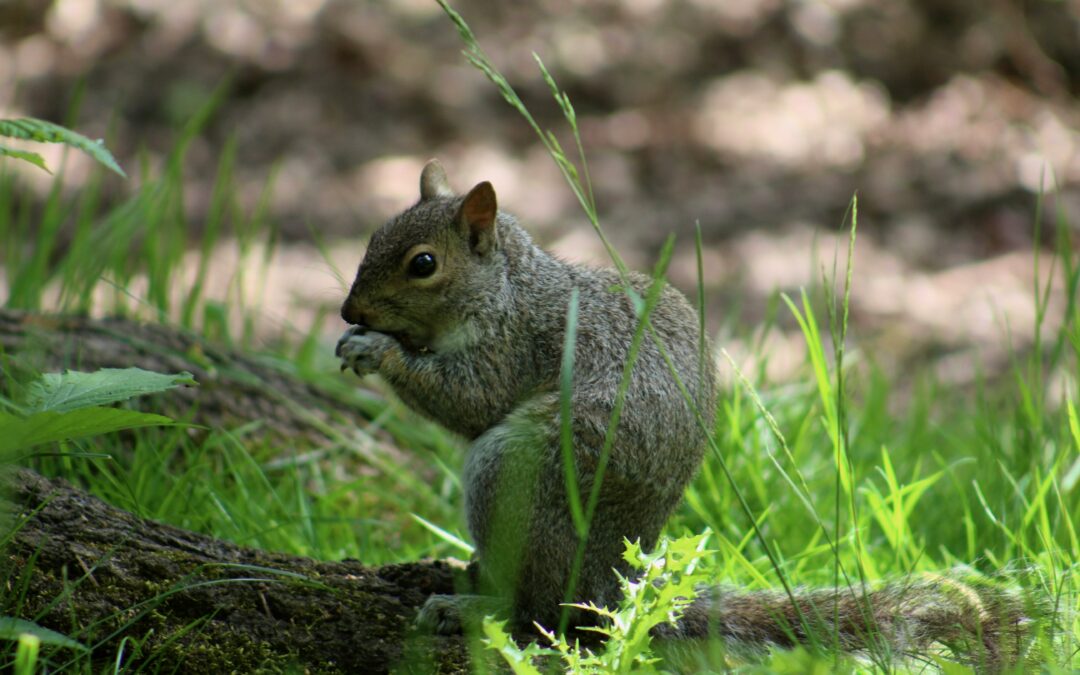
Squirrels are some of the most entertaining and energetic animals around. Watching them dart across trees, leap from branch to branch, and chase each other in your yard can feel like catching a live cartoon in action. But beyond their adorable antics, many people wonder: do squirrels actually play, or are they just foraging and surviving? Observing squirrels closely can reveal a surprisingly playful side to these small rodents.
Squirrels are part of the rodent family, and their behavior has been studied by scientists to understand how they interact with their environment. While much of their time is spent searching for food, preparing for winter, and avoiding predators, there is clear evidence that squirrels also engage in activities that resemble play. Play in animals is generally defined as behavior that is voluntary, seemingly non-functional, and repeated, often with some element of fun or practice involved. Squirrels fit this description perfectly in many cases.
Playful Behaviors in Squirrels
When people think of animals that play, they often imagine dogs chasing balls or cats pouncing on toys. Squirrels may not fetch a nut on command, but they exhibit several behaviors that strongly suggest play. One common type of playful behavior is chasing each other. Young squirrels, in particular, are often seen running around in circles, leaping between branches, and engaging in mock “fights” with their siblings. This type of behavior is thought to help squirrels develop coordination, agility, and social skills they will need as adults.
Another playful activity is object manipulation. Squirrels are notorious for picking up sticks, leaves, or acorns and tossing them around. Sometimes they bury acorns only to dig them up immediately, which may seem like mischief but can also be seen as a playful form of practice for real-life foraging and memory exercises. Scientists refer to this as cognitive play, where the animal is testing its problem-solving skills and memory in a low-risk environment.
Why Play Matters for Squirrels
Play is not just a way for squirrels to have fun, it has real benefits for their survival. Juvenile squirrels, in particular, need to practice climbing, jumping, and dodging to become agile enough to escape predators. Play provides a safe environment to develop these essential skills. Moreover, play also helps with social bonding. When squirrels chase or wrestle with each other, they learn how to communicate, negotiate territory, and establish social hierarchies without serious conflict.
Squirrels that are allowed to play freely tend to be more confident and less stressed. Observations from wildlife researchers have shown that squirrels who engage in playful interactions often show improved problem-solving skills and better memory recall. This might explain why squirrels are so adept at remembering hundreds of buried nuts, sometimes even months later.
Signs That Squirrels Are Playing
It can be tricky to tell whether squirrels are playing or simply engaging in survival behaviors, but there are some telltale signs. Playful squirrels tend to:
- Chase and tumble: Squirrels running after one another with sudden changes in direction, playful pouncing, or mock fighting are likely playing.
- Interact with objects: Tossing, rolling, or hiding items like acorns, leaves, or small sticks without an immediate purpose often indicates play.
- Exhibit exaggerated movements: Jumping higher than necessary or running in zigzag patterns can be playful rather than practical.
- Engage in social antics: Playful vocalizations, like chirps or barks, are often heard during playful scuffles among young squirrels.
While adult squirrels play less frequently than juveniles, they still display playful behaviors, especially when interacting with their offspring or exploring new environments.
Differences Between Juvenile and Adult Play
Juvenile squirrels are like toddlers on a playground, they are energetic, curious, and willing to test their limits. Play in young squirrels often involves more roughhousing, chasing, and experimentation with objects. Adults, on the other hand, play more selectively. Adult squirrels may play to establish dominance, relieve stress, or practice skills they don’t use every day. For instance, an adult squirrel might chase a younger one in what seems like a playful mock battle but is also a subtle way of teaching boundaries or dominance.
Interestingly, some adult squirrels engage in solo play. They might leap from high branches just to land safely below, or repeatedly flip objects in the air. This behavior seems to combine enjoyment with skill refinement, allowing squirrels to maintain agility and coordination even in later stages of life.
Factors That Encourage Play in Squirrels
Several environmental and social factors influence whether squirrels engage in play. Safe surroundings with plenty of space and low predator presence encourage playful behavior. Urban environments with abundant food can also stimulate play, as squirrels feel less stressed and more willing to engage in non-essential activities. Conversely, high predator presence, scarce food, or extreme weather can reduce playful behaviors because squirrels must prioritize survival.
Social structures also matter. Squirrels are generally solitary, but young siblings and mother-offspring pairs have more opportunities for play. Play can help strengthen family bonds and teach essential survival skills in a low-risk setting.
Why Humans Should Care About Squirrel Play
Observing squirrels at play isn’t just entertaining, it can also provide insights into wildlife behavior and cognition. Play in animals is often linked to intelligence, problem-solving abilities, and social complexity. By watching squirrels play, you get a glimpse into how these animals learn, adapt, and interact with their environment. Additionally, playful squirrels can serve as a sign of a healthy ecosystem. If squirrels are safe and comfortable enough to engage in play, it often indicates a well-balanced habitat with sufficient resources.
For those interested in wildlife photography, play behavior provides some of the most dynamic and engaging moments to capture. Squirrels leaping from branch to branch, tossing objects, or chasing each other offer opportunities for stunning, action-packed shots that showcase both the agility and personality of these fascinating animals.
How to Encourage Squirrels to Play Safely
If you want to observe squirrels playing up close, there are ways to encourage their natural behaviors without disturbing them. Providing a safe environment with food sources like bird feeders or scattered nuts can attract squirrels, giving them space to play. Tree branches, logs, and open areas are perfect for jumping, climbing, and exploring. However, it’s important not to handle wild squirrels or encourage dependency on humans, as this can harm their natural survival instincts.
Conclusion: Squirrels Are Playful, Smart, and Fun
From my own personal experience, squirrels clearly like to play. Their energetic antics, acorn tossing, chasing, and climbing aren’t just random behavior, they serve critical purposes for learning, socialization, and survival. Watching squirrels play is not only entertaining but also an insight into their intelligence, agility, and social dynamics. While juvenile squirrels are the most playful, adults retain elements of play that help maintain their skills and social connections.
Play is a sign of a healthy, confident squirrel, and understanding it helps people appreciate these small mammals beyond their reputation as backyard pests. The next time you see a squirrel leaping from branch to branch or tumbling after a sibling, know that it’s not just cute, it’s learning, exercising, and having fun in the process.