
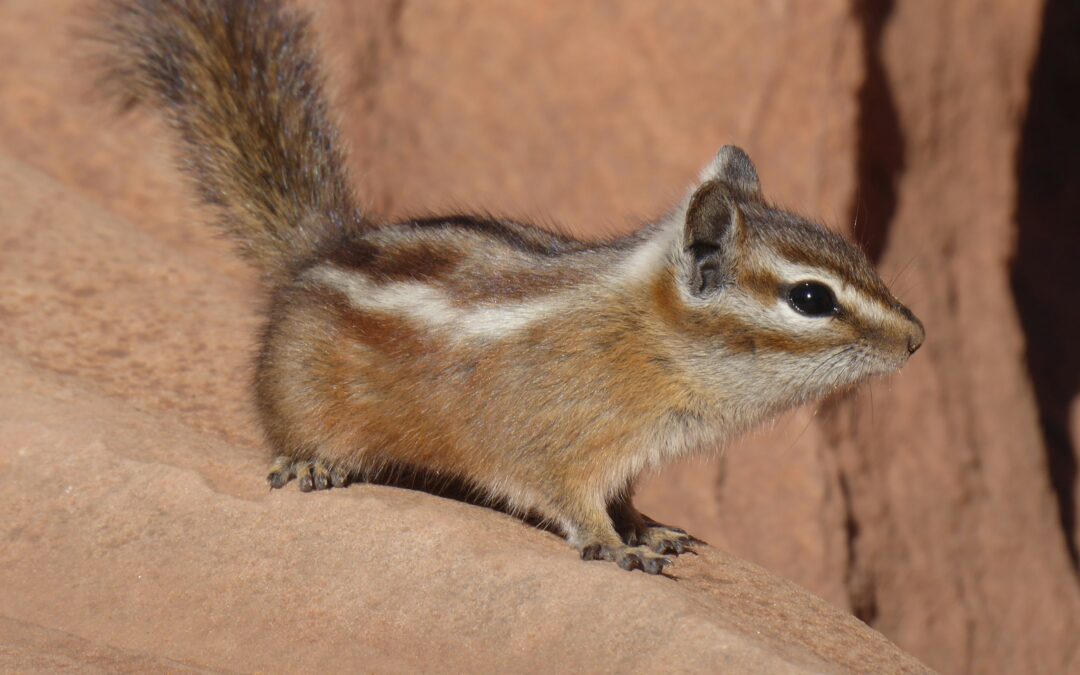
Squirrels are one of those animals that pop into your mind whenever thinking about busy, energetic, and clever little creatures. They dart through trees, stash nuts, and are surprisingly adaptive to urban life. But if you’ve ever wondered about their family life, one big question comes to mind: how many babies do squirrels have? From my own personal experience observing squirrels in my backyard, their reproductive habits are more fascinating than most people realize. Let’s jum deep into the world of squirrel babies and uncover all the surprising details.
Squirrel Basics: Who They Are
Before talking about their babies, it helps to understand the adults first. Squirrels belong to the rodent family Sciuridae, which includes tree squirrels, ground squirrels, flying squirrels, and chipmunks. When people imagine squirrels, they usually picture the bushy-tailed tree squirrel scurrying around parks or forests. These squirrels are active, clever, and incredibly adaptive.
Squirrels are not social animals in the sense that they live in big groups. Most tree squirrels are solitary, especially males. Females will fiercely protect their nests and babies. Their life revolves around survival, finding food, and raising their young.
When Do Squirrels Have Babies?
Squirrels usually breed twice a year, which surprises a lot of people. The two main breeding seasons occur in late winter or early spring and again in midsummer. However, timing varies depending on the squirrel species and where they live. For example, in northern regions, harsher winters can limit breeding to once a year, whereas in warmer climates, some squirrels might have babies up to three times a year.
The gestation period for most tree squirrels is roughly 38 to 46 days. That means from conception to birth, a little over a month passes. Ground squirrels tend to have a slightly longer gestation period depending on the species.
How Many Babies Do Squirrels Have?
Here’s the part most people are curious about: litter size. Tree squirrels typically have 2 to 8 babies per litter, with 3 or 4 being most common. Ground squirrels can have slightly bigger litters, sometimes up to 10 babies. Flying squirrels, which are smaller and more elusive, often have fewer, usually between 2 to 4.
It’s interesting to note that litter size can depend on factors like the mother’s age, health, and access to food. A well-fed, healthy female squirrel can often produce larger litters, while those under stress or lacking resources may have fewer babies.
What Are Baby Squirrels Called?
Baby squirrels are called kits or kittens. At birth, they are tiny, blind, hairless, and completely dependent on their mother. It’s astonishing to think that in just a few weeks, these fragile babies will develop fur, open their eyes, and start exploring their surroundings.
The first few weeks are critical. Mother squirrels build nests called dreys, often high up in trees, using leaves, twigs, and moss. These nests are cozy, hidden, and perfectly designed to keep the babies safe from predators and harsh weather.
Growth Stages of Baby Squirrels
The development of squirrel babies is rapid and fascinating. Right after birth, the kits rely completely on their mother’s milk. Around two to three weeks, they begin developing fur, and by four weeks, their eyes start to open. By the sixth week, they are already curious and begin venturing to the edge of the nest.
Around eight to ten weeks, baby squirrels start eating solid food. They imitate their mothers by foraging for nuts, seeds, and fruits. By the end of the tenth week, most young squirrels are ready to leave the nest and start exploring the world independently. This period is crucial for learning survival skills, like climbing, hiding from predators, and storing food for the winter.
Unique Parenting Behavior
From my own personal experience, one of the most fascinating things about squirrels is the way mothers manage multiple litters. In urban areas where food is abundant, a female might have two litters in a single year. Between the first and second litters, she may have older siblings helping to alert for danger or simply sharing space in the same territory.
Mother squirrels are protective and sometimes aggressive. They fiercely defend their nests from other squirrels, raccoons, birds, and even humans who get too close. Yet, despite their aggressive protection, they are surprisingly nurturing with their young. The bond is evident when a mother grooms, feeds, and carefully moves her babies to safer locations if needed.
How Many Babies Survive?
Not all squirrel babies make it to adulthood. Survival rates vary depending on species, environment, and predation levels. Predators include birds of prey, snakes, foxes, cats, and sometimes even other squirrels. Urban environments add hazards like traffic and human interference.
In the wild, only about one in four to one in three baby squirrels will survive to adulthood. This high mortality rate is nature’s way of keeping populations balanced. Despite this, squirrels are prolific breeders, so even with losses, their populations remain stable in most regions.
Differences Among Squirrel Species
It’s important to note that not all squirrels are alike. Tree squirrels, ground squirrels, and flying squirrels have differences in litter size, development, and survival strategies.
Tree squirrels: Usually have 2-6 babies per litter. They build nests high in trees and are agile climbers. Their babies stay in the nest for around 10 weeks before venturing out.
Ground squirrels: Often have larger litters of 5-10 babies. They live in burrows, which offer protection from predators. Ground squirrel babies emerge from burrows slightly earlier than tree squirrels, as they need to start foraging immediately.
Flying squirrels: Have fewer babies, often 2-4. Their babies develop gliding abilities slowly, and mothers invest a lot of time teaching them to navigate the trees safely.
Seasonal Considerations
Season affects the number of babies a squirrel might have. In temperate regions, the first breeding season occurs in spring. Babies born in spring have the advantage of warm weather and abundant food, giving them higher survival chances. Babies born in summer face harsher conditions because they must prepare for the upcoming winter.
In urban settings, where food is often available year-round, these seasonal pressures are less pronounced. Some squirrels might even have a third, smaller litter late in the year.
Common Misconceptions
Many people assume squirrels have just one or two babies at a time, but as discussed, this isn’t true. Others think baby squirrels are immediately independent, which couldn’t be further from the truth. These little creatures rely heavily on their mothers for several weeks.
Another misconception is that squirrels are solitary and don’t interact. While adult males often stay apart, female squirrels sometimes share overlapping territories and even help alert each other to danger, indirectly aiding survival for the next generation.
Observing Baby Squirrels Safely
If you want to observe baby squirrels, it’s essential to do so without disturbing them. Never handle a nest unless absolutely necessary. From my own personal experience, getting too close to a squirrel nest can stress the mother and increase risks for the babies. Using binoculars or watching from a distance allows you to enjoy their antics safely.
Baby squirrels are playful and curious. Watching them attempt their first climbs, interact with siblings, or chase each other in the nest is one of nature’s simple joys. It also helps you appreciate the hard work mother squirrels put into raising each litter.
Squirrel Population and Conservation
Understanding how many babies squirrels have is more than just a fun fact. It’s also important for conservation and managing urban wildlife. Squirrels are essential parts of their ecosystems, helping with seed dispersal and serving as prey for various predators.
Urbanization sometimes poses challenges, with fewer natural nesting sites and more traffic hazards. Knowing how often squirrels reproduce and how many babies survive can help communities make informed decisions about green spaces, tree planting, and wildlife corridors.
Final Thoughts
Squirrels are fascinating creatures whose lives revolve around survival, clever strategies, and raising their young. From my own personal experience, observing how these tiny animals manage to thrive, produce multiple litters, and raise their babies safely has been eye-opening.
They usually have between 2 and 8 babies per litter, with survival rates influenced by species, environment, and predators. Despite challenges, squirrels are resilient, clever, and surprisingly social when it comes to protecting their young. Each baby squirrel represents a small miracle of adaptation, instinct, and hard work by their mother.
If you’ve ever watched a mother squirrel with her babies, you know it’s one of the most endearing scenes in nature. These tiny creatures remind us of the delicate balance of wildlife and the hidden complexity of even the smallest animals in our environment. So next time you see a bushy-tailed squirrel darting across a branch, remember that somewhere nearby, a mother might be caring for her precious kits, ensuring the survival of the next generation.