
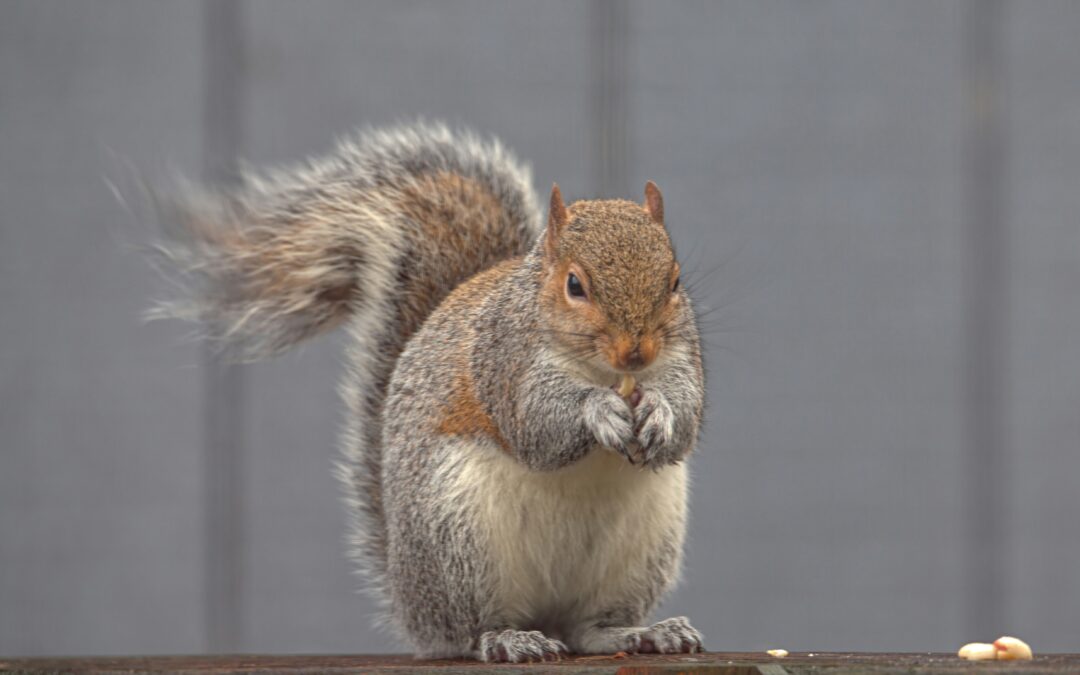
If you’ve ever been out for a walk, a bike ride, or even just driving around, you may have noticed squirrels doing something odd on the road. Instead of darting across quickly like they usually do, some stop and lick the road. At first glance, it looks confusing and even risky, since you’d expect them to avoid spending extra time in traffic zones. From my own personal experience, I’ve seen squirrels pause in the middle of warm pavement, press their little noses down, and lick as if something important was there. It made me wonder what exactly attracts them to do this, and after looking deeper into their behavior, the answer turns out to be more fascinating than you might expect.
Squirrels and Their Quirky Survival Habits
Squirrels are known for their energetic personalities and fast movements. You usually picture them climbing trees, gathering nuts, or chattering from branches. But these animals also develop strange habits that are directly tied to survival. Unlike pets that rely on you for food, squirrels live fully off what nature offers, so their instincts guide them to find nutrients in unexpected places. The road, as unusual as it seems, sometimes becomes a source of what they’re missing.
The Salt Factor: A Big Reason Behind It
One of the most common explanations for squirrels licking roads is salt. Roads, especially in colder climates, often have salt sprinkled on them during winter to melt ice. Even outside winter, vehicles and soil runoff leave traces of minerals and salts behind. Squirrels need sodium in their diet, but natural food sources don’t always provide enough. The road becomes an accidental salt lick. It’s the same reason you sometimes see deer, rabbits, or even birds hanging out near salty patches.
Warmth and Moisture on the Pavement
Another reason squirrels might lick roads is the combination of warmth and moisture. Pavement holds heat, especially on sunny days, and small cracks can trap condensation. When mixed with minerals and soil, it creates a thin layer of salty or mineral-rich moisture that squirrels find appealing. Based on my overall experience observing wildlife, animals are drawn to warm, damp surfaces when they are trying to get small amounts of nutrients without much effort.
Hidden Food Residue and Vehicle Traces
It’s not just salt from winter treatments. Roads often collect tiny traces of spilled drinks, dropped food crumbs, or even sugary substances like soda residue. Since squirrels have a strong sense of smell, they may be picking up on things your eyes don’t even notice. For them, licking the road could be like taste-testing for any hidden snacks. Unfortunately, they sometimes also encounter things they shouldn’t, such as antifreeze or motor oil droplets, which can harm them. But their drive to explore every surface leads to these risky behaviors.
The Role of Curiosity in Squirrel Behavior
Curiosity is built into squirrels. These animals investigate constantly, using not only their eyes but also their sense of smell and taste. If you’ve ever left something out on a picnic table or porch, you know how fast a squirrel can rush over and check it out. The road, for them, isn’t just a surface to cross. It’s a giant patch filled with smells, flavors, and textures that demand inspection. Their licking habit could partly be fueled by this natural instinct to explore.
Seasonal Changes in Licking Habits
Squirrel behavior isn’t the same year-round. During warmer months, their need for salt increases because they lose more through sweat-like processes while staying active. During colder months, they might still seek salt but are also more likely to explore roads for leftover snowmelt or food residue. From my own personal experience, I’ve noticed that I tend to see this behavior more often in late spring and summer, when the heat brings out the strongest scents from the pavement. Seasonal changes seem to amplify their urge to pause and taste what’s on the ground.
A Hidden Danger: Road Risks for Squirrels
While the behavior makes sense from a survival standpoint, it’s dangerous. Roads are not safe places for squirrels to linger. Many accidents involving squirrels happen because they pause in the middle of crossing instead of running straight through. Their instinct to stop and lick adds to this risk. While their natural search for nutrients is understandable, it places them in direct conflict with human roads and vehicles.
How This Behavior Connects to Urban Living
Squirrels that live near cities and towns are constantly adjusting to human-made environments. Unlike squirrels in deep forests, these urban squirrels are exposed to concrete, cars, trash bins, and lawns. Licking the road becomes another adaptation to the space they live in. They are resourceful animals, and roads unfortunately provide a combination of salt, food particles, and water that suits their survival needs.
Do Other Animals Lick the Road Too?
Squirrels aren’t alone in this. Birds, raccoons, and deer have all been observed doing similar things. The main driver again is salt and minerals. But squirrels stand out because they’re smaller, quicker, and more willing to explore almost anything. Their boldness makes the habit more noticeable to you, since you often catch them mid-lick when crossing roads.
Should You Be Concerned if You See It?
If you spot a squirrel licking the road, it’s not something you need to interfere with directly. It’s part of their instinct. However, it highlights how animals are adapting to human environments in unexpected ways. Some people place natural salt licks or mineral blocks near wooded areas to reduce the chances of animals turning to dangerous spots like highways. In neighborhoods, avoiding dropping salty food or drink on the ground can also help keep squirrels from licking risky surfaces.
What This Teaches About Animal Behavior
This habit shows how creative animals can be in finding what they need. You might think a road is just pavement, but to a squirrel it can be a buffet of minerals, moisture, and scents. Their survival strategies push them to test even the strangest spots for possible resources. From my own personal experience, I’ve realized that squirrels remind you that nature doesn’t always follow your logic. What seems odd to you is often a direct solution to their immediate needs.
Wrap-Up
So, why do squirrels lick the road? The reasons range from seeking salt and minerals, enjoying moisture and warmth, testing for food residues, and following natural curiosity. It’s a mix of survival instinct and adaptation to living close to humans. While it may look unusual, it reflects just how flexible these animals are in finding resources. From my own personal experience, seeing squirrels pause mid-crossing to lick the pavement has changed how I look at everyday animal behavior. What might appear silly or random is often driven by strong survival needs. Next time you notice it, you’ll understand it’s not just a quirk, it’s a glimpse into how animals adapt, explore, and survive in a world shaped by human presence.