
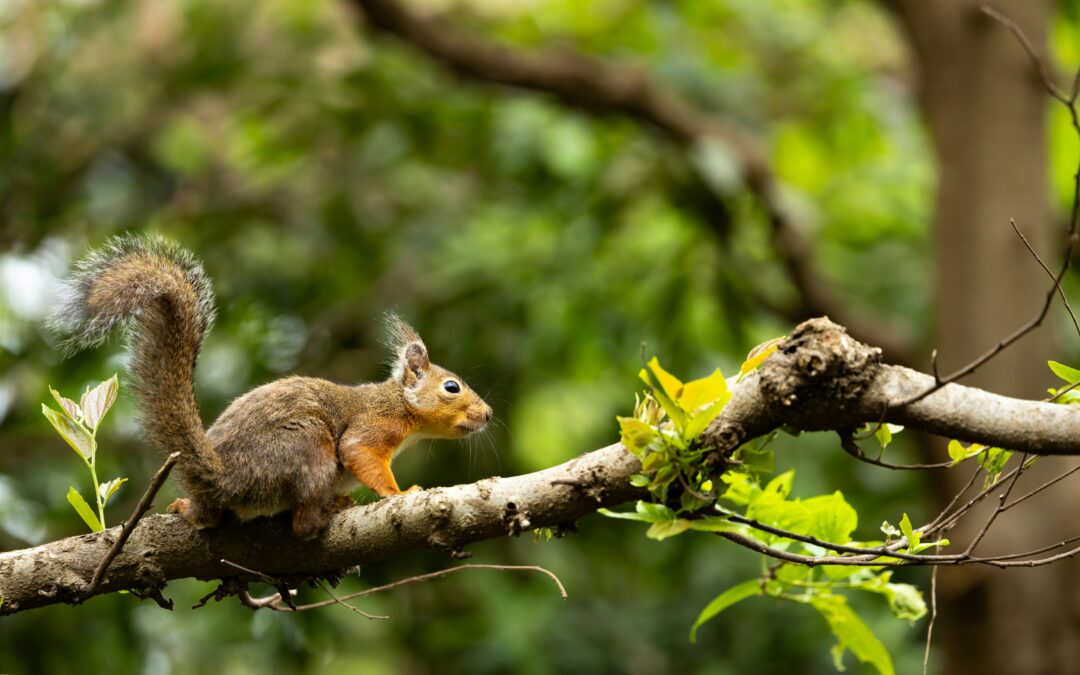
If you’ve ever watched a squirrel sprint across a fence or bury acorns in the ground, you’ve probably wondered: can squirrels actually be trained? These little animals are quick, clever, and curious. They seem like the kind of creatures that could learn tricks or routines if someone put in the effort. But training a squirrel isn’t as simple as training a dog or a cat. Their instincts, behavior, and wild nature make the process very different.
This blog is going to dig deep into the question. We’ll look at how squirrels behave, what makes them smart, and whether people can really train them in ways that stick. I’ll also share thoughts based on my overall experience observing squirrels and interacting with them in different settings. By the end, you’ll have a clear picture of what’s possible, what’s difficult, and what’s maybe best left to nature.
Squirrel Intelligence: How Smart Are They?
Before asking whether squirrels can be trained, you need to know if they’re even capable of learning beyond instinct. Squirrels are surprisingly intelligent. Their survival depends on memory, problem-solving, and adaptability.
- Memory skills: Squirrels bury nuts in different locations and can remember hundreds of hiding spots months later. That alone proves their brains are sharp.
- Problem-solving: Squirrels often figure out how to break into bird feeders, climbing, hanging upside down, or even manipulating lids to get food.
- Adaptability: They live in cities, forests, and suburban yards. They adjust to different environments quickly, which shows flexibility in behavior.
So yes, squirrels are smart enough to learn. The question is whether that learning can be directed in a way people would call “training.”
The Nature of Training Animals
Training, at its core, is about shaping behavior. You create a situation where an animal links an action to a reward. With dogs, for example, you say “sit,” the dog sits, and then gets a treat. Over time, the dog understands that sitting on command equals reward.
For squirrels, the idea is similar. They can learn patterns if there’s something in it for them, usually food. The catch is that squirrels are wild animals. Unlike dogs, they don’t have generations of domestication behind them. Their instincts pull them in different directions. While they can learn, they may not always stay consistent.
Can Squirrels Be House-Trained?
This is one of the biggest questions people ask. Could a squirrel be trained to live indoors, maybe even use a litter box like a cat?
The truth: it’s extremely hard. Squirrels don’t naturally pick one spot to go to the bathroom. Their instincts tell them to move around constantly, leaving droppings wherever they are. Some people have tried keeping squirrels as pets and have claimed small success with litter training, but it usually takes constant attention and even then, the results aren’t reliable.
If you’re picturing a squirrel neatly using a litter box like a rabbit, you might be disappointed. Their wild nature makes this kind of control very unlikely.
Teaching Tricks: Is It Possible?
Now let’s talk about tricks. Could a squirrel learn to do things on command? The answer is: yes, to a degree.
People who have raised orphaned baby squirrels or worked with rescue centers sometimes manage to teach squirrels simple actions:
- Coming when called (especially if food is offered)
- Jumping from one platform to another
- Taking food gently from a hand
- Following simple patterns to reach food (like going through a small hoop or climbing onto a certain object)
These tricks aren’t the same as teaching a dog to roll over. They rely heavily on food motivation, and the squirrel usually sees them as part of its natural behavior. Still, it shows that training is possible on a small scale.
The Role of Trust in Training
The biggest factor in training a squirrel is trust. Squirrels are naturally cautious and quick to flee. If you’ve ever walked into your yard, you know how fast they dash up a tree at the slightest noise. Building trust takes time and consistency.
Based on my overall experience, the only way a squirrel will even allow training is if it feels safe around you. That means no sudden moves, no forcing, and a lot of patience. Once trust is established, a squirrel may approach for food, hang around longer, and show signs of curiosity instead of fear. Without that trust, any attempt at training is useless.
Food as Motivation
Every successful attempt at training squirrels comes down to one thing: food. They are highly food-driven, especially by nuts, seeds, and fruit. If you try to train a squirrel, you’ll need to use small pieces of their favorite food as a reward system.
Here’s what usually works best:
- Walnuts
- Pecans
- Sunflower seeds
- Apples
- Grapes
The key is giving them a little at a time, so they stay interested and don’t just fill up and run off.
Challenges of Training Squirrels
While the idea sounds fun, training squirrels comes with serious challenges:
- Wild instincts: No matter how friendly they seem, squirrels are wild animals. Their instincts can’t be fully controlled.
- Short attention spans: Squirrels get distracted easily. Training sessions need to be very short.
- Biting risk: Even tame squirrels may bite if startled or if they feel protective of food.
- Unpredictable results: A squirrel may do something one day and completely ignore it the next.
These challenges make training a squirrel very different from training pets.
Can Squirrels Be Socialized?
Training doesn’t always mean teaching tricks. Sometimes it just means socializing an animal so it feels calm around people. Many wildlife rehabbers do this carefully with baby squirrels. They feed them, handle them gently, and slowly get them used to human presence.
In some cases, squirrels raised this way can become very tame. They may climb on people, accept food, and even enjoy light interaction. However, experts often warn against too much socialization, since releasing them back into the wild becomes harder. A squirrel too comfortable around humans may struggle to survive outside.
The Ethics of Training Squirrels
It’s important to step back and ask whether training squirrels is good for them. While it’s tempting to treat them like pets, they are wild animals. Their natural behavior helps them survive. Training them to depend on people for food can actually harm them if they lose their ability to forage.
That’s why most wildlife experts suggest enjoying squirrels from a distance. If you do interact, keep it light and never try to completely domesticate them.
From My Own Personal Experience
I’ve seen squirrels show patterns of learning. I once left a bird feeder on my porch, and within days, the same squirrel figured out how to lift the lid. It kept coming back, repeating the behavior over and over. That consistency told me that squirrels are quick learners, but also stubborn.
If you try to change their behavior, you’ll find it’s much harder. They’ll always lean on their instincts. So while they can “train” themselves to solve problems for food, it’s very different from structured training the way you’d expect with a dog.
Final Thoughts: Can Squirrels Be Trained?
So, can squirrels be trained? The answer is yes , but only in limited ways. They can learn simple tricks, come for food, and even show trust toward humans if raised or handled gently. But they will never be fully house-trained, reliable, or as responsive as pets like dogs and cats. Their wild instincts always take priority.
If you’re curious about training squirrels, remember that it’s less about control and more about observation. You’re working with nature, not against it. And sometimes, the best “training” you can do is simply earning a squirrel’s trust and enjoying the little moments of connection it allows.