
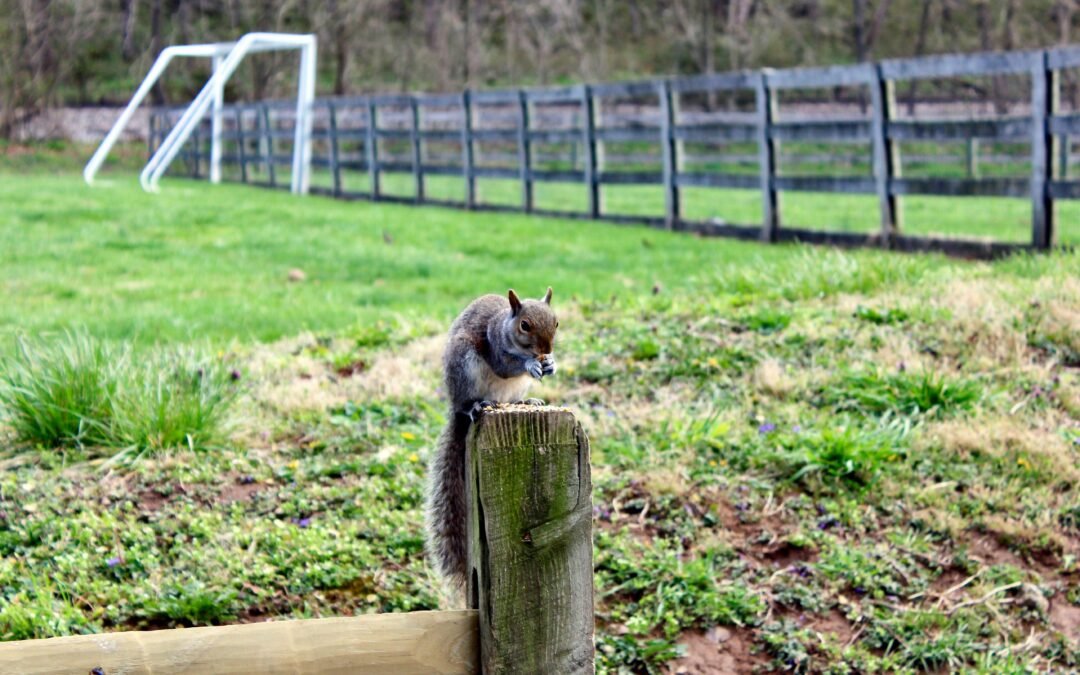
Squirrels are fascinating little creatures. They’re curious, energetic, and, let’s be honest, sometimes a little mischievous. Anyone who has a garden or backyard knows this firsthand. From my own personal experience, squirrels can be both adorable and frustrating, especially when they find their way into the pumpkin patch. So, can squirrels actually eat pumpkins? The answer is yes, but there’s more to it than just tossing a pumpkin outside and letting them go to town. Let’s jump into the details, from the benefits and risks to the best ways to share your pumpkins with these furry friends.
Why Squirrels Might Want to Eat Pumpkins
Squirrels are natural foragers. They’re opportunistic eaters, which means they’ll take advantage of whatever food source is available. Pumpkins are a surprisingly attractive option for them for several reasons.
First, pumpkins are soft and easy to gnaw. Unlike acorns or nuts, which require more effort to open, pumpkin flesh is soft enough that squirrels can quickly tear into it. Second, pumpkins are sweet and nutrient-rich. They contain natural sugars, vitamins, and minerals that squirrels can use to boost their energy levels. Finally, pumpkins are large and plentiful, especially in the fall when squirrels are stocking up for winter. A pumpkin in your garden can feel like a free buffet to a hungry squirrel.
When I left a small pumpkin near my garden fence, it didn’t take long before a few squirrels discovered it. Within a day, they had started nibbling at the skin and eventually dug into the inside. Watching them feast is oddly satisfying, even if it means losing a little of your Halloween decoration.
Which Parts of a Pumpkin Are Safe for Squirrels?
Not every part of the pumpkin is equally appealing or safe for squirrels. Here’s a breakdown:
- Flesh: This is the soft, orange interior of the pumpkin. It’s completely safe for squirrels. They’ll eat it eagerly, and it provides hydration, energy, and nutrients.
- Seeds: Pumpkin seeds are a powerhouse snack. Rich in protein, healthy fats, and minerals like magnesium, they’re highly beneficial. Squirrels often remove seeds from the pumpkin and eat them one by one. If you want to provide a treat, roasting pumpkin seeds without salt can be a great option.
- Skin/Rind: The tough outer layer is edible, but it can be hard for squirrels to chew through if the pumpkin is large or very firm. Squirrels may gnaw through it anyway, but it might take some time and patience.
- Stem: Avoid giving squirrels the stem. It’s tough, fibrous, and can be a choking hazard.
Are There Any Risks to Squirrels Eating Pumpkin?
While pumpkin is generally safe, there are a few considerations to keep in mind.
- Overeating: Like any food, too much pumpkin can cause digestive upset in squirrels. They have sensitive stomachs, and too much fiber or sugar at once might lead to diarrhea or bloating. Moderation is key.
- Mold: Old pumpkins can develop mold, especially if they’re left outside in wet conditions. Moldy pumpkin can be harmful to squirrels. Always remove any decayed pumpkin from your yard to prevent health issues.
- Pesticides: If your pumpkin has been treated with chemicals or pesticides, it can be harmful to squirrels. Organic pumpkins or ones grown without chemicals are safest.
From my own personal experience, I once left a partially carved pumpkin out in the yard for a few days. The squirrels eagerly went after it, but I noticed mold starting to form after a couple of days. I quickly removed the pumpkin to avoid any potential issues, and the squirrels happily moved on to fresh options.
How to Offer Pumpkins to Squirrels Safely
If the goal is to feed squirrels or provide a seasonal treat, there are a few tips to do it safely:
- Choose a fresh pumpkin: Fresh, unspoiled pumpkins are the best option. They’re sweet, hydrated, and safe.
- Cut the pumpkin into smaller pieces: Large pumpkins can be intimidating or difficult for squirrels to handle. Cutting into smaller chunks makes it easier for them to eat.
- Remove any seeds for snacking: While seeds are safe and healthy, removing them allows you to share both flesh and seeds separately. You can even roast some seeds for other wildlife.
- Monitor consumption: Keep an eye on the squirrels while they eat. If too much is left uneaten and starts to rot, remove it.
- Place in a safe spot: Avoid placing pumpkin near areas where squirrels might get hurt, like roads or spaces with predators. A backyard tree or fenced garden is ideal.
Pumpkin as a Seasonal Treat
Pumpkin is more than just a safe food option, it’s a seasonal treat that fits perfectly into a fall feeding routine. Squirrels naturally begin preparing for winter during autumn, gathering nuts and high-energy foods. Pumpkin can supplement this diet by providing hydration, fiber, and energy.
Offering pumpkin can also help reduce damage to other parts of your garden. If squirrels are busy with a pumpkin, they might be less interested in raiding bird feeders, vegetable patches, or flower beds. Just remember to keep portions manageable to avoid overfeeding.
Fun Ways to Share Pumpkin with Squirrels
Sharing pumpkins doesn’t have to be boring. Here are some creative ways to engage squirrels while keeping them healthy:
- Pumpkin feeding stations: Cut a pumpkin in half, scoop out the insides, and place it on a flat surface. This allows multiple squirrels to enjoy it at once.
- Hidden seeds challenge: Place some seeds inside a small hollow pumpkin. Squirrels love solving the challenge of getting to the seeds, which also provides mental stimulation.
- Pumpkin puzzles: You can create small holes in the pumpkin to hide treats or nuts. Squirrels enjoy working to extract the goodies, keeping them entertained while eating.
From my own personal experience, squirrels can be surprisingly intelligent when it comes to food. I once made a simple “pumpkin puzzle” by placing a few acorns inside a hollowed-out pumpkin. It took them a few tries, but they quickly figured out how to reach the acorns. Watching them work for their snack was both entertaining and educational.
What About Carved Pumpkins?
Carved pumpkins, especially those used as Halloween decorations, can still attract squirrels. However, there are a few differences compared to fresh pumpkins:
- Taste: The flesh is still edible, but if it’s been exposed to air for days, it may dry out or become moldy.
- Food dyes and decorations: Avoid giving squirrels pumpkins that have been painted or treated with chemical decorations. These substances can be toxic.
- Candles or lights: Never leave lit candles inside pumpkins where squirrels can reach them. Safety first!
If you plan to share a carved pumpkin, it’s best to remove all candles and decorations and provide it fresh, preferably on the day it’s carved or immediately after.
The Nutritional Benefits of Pumpkin for Squirrels
Pumpkin is surprisingly healthy for squirrels. Here are a few benefits:
- Vitamins: Pumpkin is rich in vitamin A, which supports vision, skin, and immune health. It also contains vitamin C, which can help reduce inflammation.
- Minerals: Pumpkins provide potassium and magnesium, which are important for nerve function and overall health.
- Fiber: The high fiber content supports digestion and keeps squirrels’ digestive systems running smoothly.
- Hydration: Fresh pumpkin contains a lot of water, which is particularly beneficial in dry conditions when squirrels might struggle to find water.
These benefits make pumpkin a nutritious addition to a squirrel’s diet, especially when balanced with nuts, seeds, fruits, and other foraged foods.
Common Misconceptions About Squirrels and Pumpkin
Some people worry that squirrels might become dependent on human-provided foods like pumpkins. While this is possible, it’s unlikely if feeding is done responsibly. Squirrels are naturally resourceful and will continue to forage for nuts, berries, and other wild foods. Feeding pumpkin should be treated as an occasional supplement, not a replacement for their natural diet.
Another misconception is that pumpkins can harm squirrels because they’re “too sugary.” While pumpkin has natural sugars, it’s not processed sugar, and when eaten in moderation, it’s perfectly safe. The key is balance and ensuring the pumpkin is fresh and chemical-free.
DIY Pumpkin Treat Ideas for Backyard Squirrels
If you want to get creative, you can make pumpkin treats for squirrels:
- Pumpkin and seed balls: Mix mashed pumpkin with sunflower seeds and shape them into small balls. Place them on a flat surface for squirrels to enjoy.
- Pumpkin huts: Hollow out a small pumpkin and fill it with a mix of seeds and nuts. Squirrels can explore the pumpkin like a mini playground while eating.
- Frozen pumpkin cubes: In warmer months, freeze pumpkin cubes to provide a refreshing treat. Just make sure they’re small enough to chew.
These DIY ideas are safe, fun, and provide enrichment for backyard squirrels while letting you enjoy watching them interact with food.
When to Avoid Feeding Pumpkins
While pumpkins are generally safe, there are times to avoid offering them:
- During heavy rain or frost: Moisture and freezing temperatures can cause pumpkin to rot faster.
- If the pumpkin is moldy or decayed: Mold can be toxic and lead to digestive issues.
- If pesticides or chemicals have been applied: Safety is crucial; always provide organic or untreated pumpkins.
By following these guidelines, you can ensure that squirrels enjoy pumpkins safely and healthily.
Final Thoughts
So, can squirrels eat pumpkins? Absolutely. Pumpkins are a safe, nutritious, and enjoyable treat for squirrels when given in moderation. From my own personal experience, offering pumpkins can be a fun way to interact with wildlife, observe their behavior, and even enrich their diet. Just remember to choose fresh pumpkins, avoid chemical treatments, and monitor consumption to prevent overfeeding or mold-related issues.
Sharing pumpkins with squirrels can also be a great way to keep them busy and away from other parts of your garden, all while providing a seasonal treat they genuinely enjoy. It’s a small gesture, but it makes the backyard feel a little more alive in the fall, filled with the energy and curiosity of these adorable creatures.
If there’s one thing to take away, it’s this: squirrels can definitely enjoy pumpkins, but it’s best done thoughtfully. Your pumpkin can bring joy not just to Halloween celebrations, but to the wildlife that shares your space.