
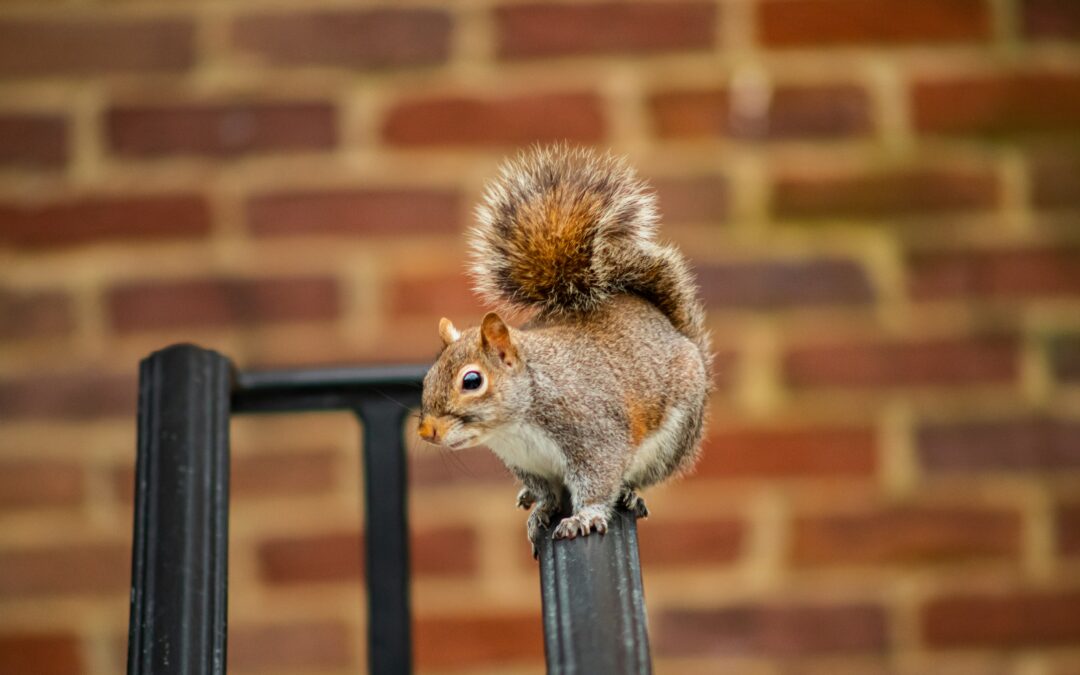
When you see squirrels running around your yard, it’s easy to think they’ll eat just about anything. They’re curious, fast, and bold little creatures that can make a quick snack out of nuts, seeds, and even bird food if given the chance. But there’s one common question many people ask, are peanuts actually good for squirrels?
Let’s jump deep into that, and I’ll share what I’ve learned from my own personal experience watching and feeding squirrels over time. I’ll explain what makes peanuts a hit with squirrels, the possible risks, and what safer alternatives you can offer instead.
Let’s Understand Squirrel Diets Here
Before jumping straight into peanuts, it helps to understand what squirrels naturally eat. Squirrels are omnivores, meaning they eat both plants and small insects. Their natural diet is mostly made up of:
- Nuts (like acorns, hazelnuts, and walnuts)
- Seeds
- Fruits and berries
- Fungi
- Insects and small grubs occasionally
In the wild, these foods provide a balance of fats, proteins, and vitamins that keep squirrels healthy and active. They also spend a lot of time foraging, climbing, and burying nuts, which helps maintain their strong teeth and muscles.
So when humans introduce peanuts into the mix, it changes things a bit, because peanuts, though called “nuts,” are actually legumes.
Peanuts Are Not True Nuts
Here’s the key fact many people overlook: peanuts grow underground, unlike tree nuts such as walnuts or hazelnuts. That makes them legumes, like beans and lentils.
Now, does that mean squirrels can’t eat them? Not exactly. Squirrels love peanuts. They’ll crack open the shells, chew them up, and stash them for later just like they do with acorns. But the real question is whether peanuts are healthy for them or not.
Why Squirrels Love Peanuts
If you’ve ever offered peanuts to squirrels, you’ve probably noticed how quickly they grab them. There are a few reasons why peanuts are so appealing:
High Fat Content: Peanuts are rich in fat, which gives squirrels quick energy.
Easy to Eat: Peanuts are small, lightweight, and easy for squirrels to carry.
Taste: Peanuts have a strong flavor that appeals to many animals.
Readily Available: Many people leave peanuts out in gardens or parks, making them easy to find.
But loving something doesn’t always mean it’s good for them, just like humans love candy but shouldn’t eat it all day.
The Problem with Peanuts
1. Low Nutritional Value Compared to Tree Nuts
Peanuts don’t provide the same nutrition that natural nuts do. While they have fat and protein, they lack the diverse nutrients found in tree nuts like almonds or hazelnuts. A diet heavy in peanuts can cause nutritional imbalances in squirrels.
2. Risk of Mold (Aflatoxin)
One of the biggest concerns is aflatoxin, a toxic mold that can grow on peanuts. Even small traces can be harmful to squirrels. It affects their liver and can weaken their immune system.
If peanuts are stored in damp or warm conditions, aflatoxin grows quickly, and the scary part is, you can’t always see it. From my own personal experience, I learned that buying cheap, bulk peanuts without checking quality can put squirrels at real risk. Always ensure peanuts are fresh, dry, and from a safe source if you plan to feed them.
3. High Salt Levels in Roasted Peanuts
Many peanuts meant for human snacks are salted or roasted. Salted peanuts can lead to dehydration and kidney issues in squirrels. Their small bodies can’t process large amounts of sodium.
If you ever decide to share peanuts with squirrels, make sure they’re plain, unsalted, and unroasted.
4. Additives and Oils
Packaged peanuts often contain oils, preservatives, or flavorings. These are unnecessary for squirrels and can upset their digestion. Always read the label, if it lists ingredients beyond just “peanuts,” skip it.
Raw vs. Roasted Peanuts
This is another debate that comes up often. Should squirrels eat raw or roasted peanuts?
Raw Peanuts
Raw peanuts may seem natural, but they contain trypsin inhibitors, compounds that interfere with protein digestion. Over time, if squirrels eat too many raw peanuts, it can affect their growth, muscle development, and overall health.
Roasted Peanuts
Roasting removes most of these inhibitors, but it also adds the risk of oils or salt if not done carefully. So the best option is lightly roasted, unsalted, and unflavored peanuts, but still, in moderation.
Peanuts as an Occasional Treat
Peanuts shouldn’t be a daily part of a squirrel’s diet. Think of them like a snack, fun and tasty, but not the main course.
Feeding too many peanuts can lead to:
- Nutrient deficiency (especially calcium)
- Weak bones or metabolic bone disease (MBD)
- Lower resistance to disease
If you want to spoil the squirrels in your yard, mix things up instead of sticking with peanuts.
Healthier Alternatives to Peanuts
Here are some better options that give squirrels variety and nutrition:
1. Hazelnuts
Hazelnuts are a top favorite for squirrels. They’re easy to crack and rich in calcium and healthy fats.
2. Walnuts
Walnuts are packed with omega-3 fatty acids, which help brain and heart health in squirrels.
3. Pecans
Pecans are another great choice, they’re high in calories and nutrients, giving squirrels long-lasting energy.
4. Pumpkin Seeds
Pumpkin seeds are full of zinc and magnesium, both great for bone and immune health.
5. Sunflower Seeds (in moderation)
Sunflower seeds are okay occasionally but are fatty, so limit the amount.
6. Corn on the Cob
This is a classic for backyard feeding. It keeps squirrels busy and provides carbs for energy.
7. Fresh Fruits
Slices of apple, grapes, and berries make refreshing and natural treats.
Feeding Tips for Backyard Squirrels
If you enjoy watching squirrels up close, here are a few practical feeding tips based on my overall experience:
Use Clean Feeding Areas
Always keep feeding areas dry and clean. Wet spots can encourage mold, which makes nuts dangerous.
Avoid Overfeeding
Squirrels should still forage naturally. If you feed them too often, they can become dependent on handouts.
Offer Variety
Rotate different types of nuts and seeds to keep their diet balanced.
Store Nuts Properly
Keep nuts in airtight containers in a cool, dry place to avoid mold.
Skip Processed Foods
Never feed squirrels chips, bread, or sweet snacks. These are unhealthy and can make them sick.
Can Baby Squirrels Eat Peanuts?
No, baby squirrels should never eat peanuts. They have very delicate digestive systems that can’t handle heavy fats or potential mold toxins. Baby squirrels need special formula or natural food sources under supervision until they grow older.
Do Peanuts Affect Wild and Urban Squirrels Differently?
Wild squirrels have access to a variety of foods, tree nuts, seeds, and plants, so peanuts are only a small addition to their diet.
Urban squirrels, on the other hand, rely more on what humans leave out. That means they’re more likely to overeat peanuts, birdseed, or bread. This imbalance can cause nutritional issues over time.
So if you live in a city area and feed squirrels, be extra mindful about what you offer.
The Calcium-Phosphorus Ratio Issue
This may sound technical, but it’s important. Squirrels need a proper balance of calcium and phosphorus for bone health. Peanuts have too much phosphorus and very little calcium.
If squirrels eat too many peanuts, the imbalance can lead to Metabolic Bone Disease (MBD). Symptoms include:
- Weak legs or dragging hind limbs
- Tremors
- Bone deformities
- Difficulty climbing
That’s why giving them a calcium-rich variety of foods is key.
Seasonal Feeding
Winter
In winter, squirrels burn a lot of energy to stay warm. High-fat nuts (like walnuts and hazelnuts) help them stay active. Peanuts can be fine in small amounts during this time since they provide quick calories.
Spring and Summer
In warmer months, stick with lighter options like fruits, seeds, and smaller portions of nuts. Too many fats in summer can cause weight gain.
Are Peanuts Dangerous to Squirrels?
Peanuts aren’t directly poisonous, but the risk depends on quality and amount. Spoiled or moldy peanuts can absolutely harm squirrels. Too many peanuts can also lead to long-term health problems.
The safest route? Treat peanuts as an occasional snack, not a daily meal.
What Happens If Squirrels Eat Too Many Peanuts?
Too many peanuts can cause:
- Digestive Upset: Loose stool or bloating.
- Liver Issues: Due to aflatoxin exposure.
- Weak Bones: From calcium loss.
- Lethargy: Because of excess fat and low nutrition.
If you notice squirrels visiting your yard regularly and looking sluggish or unsteady, consider adjusting what you feed them.
How to Tell if Peanuts Are Safe
If you do decide to feed peanuts, use this checklist:
- They should be plain and unsalted.
- They should be dry and firm, with no dark spots or odors.
- They should be stored in a cool place.
- They should be offered in moderation, just a handful per day for visiting squirrels.
Fun Fact: Squirrels Remember Food Locations
Squirrels have impressive memory skills. They bury nuts in different spots and often remember where each one is hidden, even months later.
However, when peanuts are too light or don’t store well underground, squirrels might waste energy burying food that later goes bad. Tree nuts, on the other hand, last longer when buried, another reason they’re a better food source.
Should You Stop Feeding Peanuts Altogether?
Not necessarily. Peanuts can be a part of a mixed diet. The key is moderation and quality. If you feed peanuts, limit them and balance with other nuts or seeds.
Think of it as giving squirrels variety, the same way humans need a mix of fruits, proteins, and veggies.
Ethical Feeding: Helping Squirrels Stay Wild
It’s tempting to hand-feed squirrels or make them regular visitors, but there’s value in keeping them partly wild. Too much human interaction can make them dependent, which isn’t good for their survival skills.
Offer food occasionally and from a distance. Let them work for it by hiding nuts in different spots. This keeps their instincts sharp and their bodies active.
Final Thoughts
So, are peanuts good for squirrels? The short answer, only sometimes.
Peanuts are safe in small amounts, but they shouldn’t replace natural nuts or seeds. They’re like the fast food of the squirrel diet, tasty and filling but not the healthiest option.
From my own personal experience, I’ve seen how much squirrels enjoy peanuts. Their excitement is contagious. But I’ve also learned that too many can cause real harm over time. Balancing peanuts with walnuts, hazelnuts, and fruits keeps them healthy, strong, and playful all year.
If you enjoy feeding squirrels, think quality and balance over quantity. Keep peanuts as a fun treat, not a daily habit — and you’ll have happy, healthy squirrels visiting your yard for years to come.
Summary
- Peanuts are legumes, not tree nuts.
- Squirrels love them, but they lack key nutrients.
- Raw peanuts can block protein absorption.
- Moldy peanuts can be toxic.
- Always use unsalted, unroasted, plain peanuts.
- Limit feeding and offer healthier alternatives.
- Keep feeding areas clean and dry.
- Remember: variety keeps squirrels healthy.