
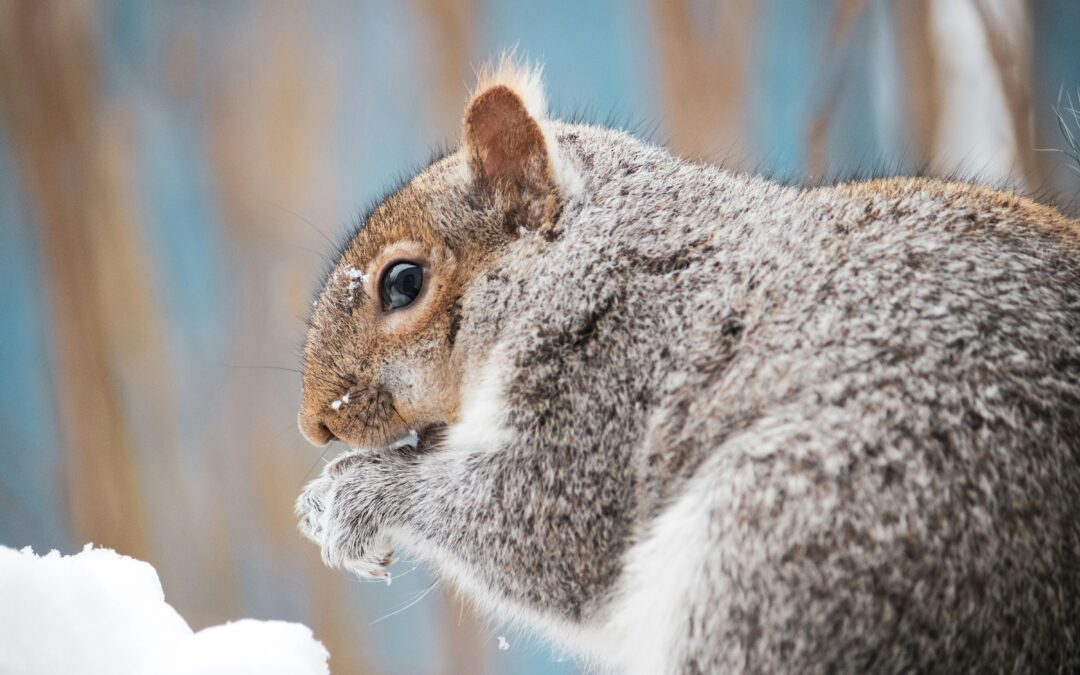
Squirrels are fascinating little creatures, known for their energy, curiosity, and sometimes, their mischievous behavior in backyards. If you’ve ever spotted a squirrel eyeing your bird feeder or tree, you might have wondered: can squirrels eat almonds? Are they safe for them? Should these nuts be part of their diet, or are they potentially harmful?
This post dives deep into everything about squirrels and almonds. From their natural diet to the potential risks and benefits of feeding them almonds, the aim is to give a comprehensive guide that helps you understand how to interact with these woodland visitors safely.
Let’s Understand Squirrel Diets Here
Squirrels are omnivores. That means their diet includes a mix of plants and, occasionally, small animals or insects. In the wild, their diet mainly consists of nuts, seeds, fruits, fungi, and green vegetation.
Tree nuts, like acorns, walnuts, and pecans, form a large portion of their diet. Squirrels have adapted to storing nuts for winter months, making them notorious hoarders. From my own personal experience, watching squirrels in the backyard often reveals their preference for nuts over other food sources, they seem to instinctively know which nuts pack the most nutrients.
When considering almonds, it’s important to compare them to other nuts that squirrels naturally eat. While almonds aren’t their primary wild food, they are close enough to be compatible with their digestive system.
Are Almonds Safe for Squirrels?
Yes, almonds are generally safe for squirrels, but there are a few caveats. Not all almonds are created equal when it comes to squirrel safety. Here’s a breakdown:
Raw vs. Roasted Almonds
Raw almonds are best for squirrels. They contain natural nutrients and are easier to digest. Roasted almonds, especially those salted or flavored, can be harmful. Salt is particularly dangerous, as it can cause dehydration or kidney issues in squirrels.
Sweetened or Chocolate-Covered Almonds
Never feed squirrels chocolate-covered or sweetened almonds. Chocolate contains theobromine, which is toxic to many small mammals, including squirrels. Sugar can also cause digestive upset.
Almonds in Moderation
Like any treat, almonds should be given in moderation. Squirrels thrive on a varied diet, and too many almonds can disrupt their nutrition. Think of almonds as a healthy snack, not a full meal replacement.
Nutritional Benefits of Almonds for Squirrels
Almonds are packed with protein, healthy fats, and essential vitamins. Here’s what they offer:
Protein: Almonds provide a good source of plant-based protein, which supports muscle development and repair.
Healthy Fats: Fats in almonds help squirrels maintain energy, especially during colder months when food is scarce.
Vitamins and Minerals: Almonds contain Vitamin E, magnesium, and calcium, all beneficial for squirrel health.
From my own personal experience feeding backyard squirrels, I’ve noticed that they eagerly eat raw almonds when offered, likely because of the high energy content. However, it’s important to observe their behavior to ensure they don’t overconsume and upset their natural balance.
How Squirrels Eat Almonds
Squirrels have strong teeth and jaws, perfectly adapted for cracking open nuts. Almonds can be eaten in several ways:
Whole Almonds: Squirrels can crack the hard shell and eat the nut inside.
Shelled Almonds: If almonds are pre-shelled, squirrels can eat them easily. This is often preferred for backyard feeding.
Chopped or Broken Almonds: Some squirrels will take small pieces, especially younger or smaller squirrels who may struggle with whole nuts.
Watching squirrels eat almonds can be quite entertaining. They often hide part of the nut for later, demonstrating impressive memory and planning skills. squirrels sometimes bury almonds close to feeding spots, creating small “nut banks” around the yard.
Potential Risks of Feeding Almonds to Squirrels
While almonds are safe, overfeeding or improper preparation can cause problems. Here are key risks:
Digestive Upset
Too many almonds can cause diarrhea or stomach upset in squirrels. Their digestive system is sensitive to high-fat or high-protein foods if given in excess.
Salt and Seasoning Hazards
Seasoned, roasted, or salted almonds should never be given to squirrels. These additives can be toxic and cause serious health problems.
Encouraging Dependency
Feeding squirrels regularly can make them dependent on human-provided food. While an occasional almond is fine, it’s important to maintain their natural foraging habits. Dependency can lead to overcrowding, competition, and aggressive behavior.
Attracting Other Wildlife
Almonds might attract other animals, such as raccoons or rats, which could create conflicts or health risks. Feeding squirrels in moderation and in controlled spaces reduces this risk.
Feeding Tips for Backyard Squirrels
If you want to provide almonds safely, follow these practical tips:
Use Raw, Unsalted Almonds: These are safest and most nutritious.
Offer in Small Quantities: A few almonds at a time is plenty.
Avoid Frequent Feeding: Feed occasionally rather than daily to keep natural foraging skills intact.
Place on a Flat Surface: Squirrels prefer to eat on the ground or low platforms. Avoid leaving almonds in enclosed feeders that might trap them.
Observe Their Behavior: Make sure the squirrels can eat the almonds without choking or hoarding excessively in unsafe areas.
Wild Squirrel Behavior and Almonds
Almonds aren’t typically found in the wild where squirrels live, but squirrels are highly adaptable. They often try new nuts if available. From my overall experience observing wild squirrels, they seem to prefer nuts like walnuts or acorns first, but almonds are accepted quickly if provided.
Squirrels will usually hide almonds if they don’t eat them immediately. These caches are often buried in soil, under leaves, or in small crevices. This behavior helps them survive during periods of food scarcity.
Comparing Almonds with Other Nuts
It’s useful to see how almonds compare with other nuts squirrels eat:
- Walnuts: High in fat and protein, easy to crack for adult squirrels.
- Pecans: Similar to walnuts, with a slightly sweeter taste.
- Hazelnuts: Smaller but nutrient-rich, favored in many areas.
- Acorns: A staple in wild diets, though lower in fat than almonds.
Almonds rank well nutritionally, especially in protein content, making them a great occasional treat. From my own personal experience, squirrels often choose almonds over acorns if both are available, likely due to taste and texture.
Common Questions About Squirrels and Almonds
Can Baby Squirrels Eat Almonds?
Baby squirrels should not eat whole almonds. They can choke or struggle to digest them. Small, finely chopped raw almonds may be introduced once they are older and their teeth are strong enough.
Can Almonds Replace Their Regular Diet?
No, almonds should supplement, not replace, natural foods. Squirrels need variety for complete nutrition. Too many almonds could imbalance their diet.
Can Almonds Attract Pests?
Yes, if almonds are left out, other animals may visit. Place almonds carefully and avoid overfeeding.
Feeding Squirrels Responsibly
Feeding squirrels can be fun, but it comes with responsibility. Here’s a final checklist:
- Only offer raw, unsalted almonds.
- Feed in moderation and occasionally.
- Ensure a variety of natural foods are available.
- Avoid creating dependency.
- Monitor for signs of digestive issues or stress.
By following these steps, you can enjoy observing squirrels while keeping them healthy and happy.
Observing Squirrels Eating Almonds
One of the joys of feeding squirrels almonds is watching their unique behaviors:
Nut-Hiding: Squirrels often hide nuts for later, displaying incredible memory.
Social Dynamics: Multiple squirrels may compete or share almonds in subtle hierarchies.
Food Preferences: From my overall experience, squirrels show distinct preferences—some may ignore almonds in favor of acorns or walnuts.
Final Thoughts
Almonds can be a safe and nutritious treat for squirrels when handled correctly. They provide energy, protein, and healthy fats that supplement a squirrel’s natural diet. From my own personal experience, squirrels enjoy almonds, but moderation is key to maintaining their health and natural habits.
By feeding almonds responsibly and understanding squirrel behavior, it’s possible to enjoy backyard wildlife without causing harm. Observing squirrels navigate the challenges of finding, eating, and storing almonds can be both educational and entertaining.
Remember, squirrels are wild animals. Treat them with care, respect their natural diet, and provide nuts as a supplement, not a staple. With this knowledge, almond-feeding can be a safe, fun, and enriching experience for both squirrels and wildlife enthusiasts.