
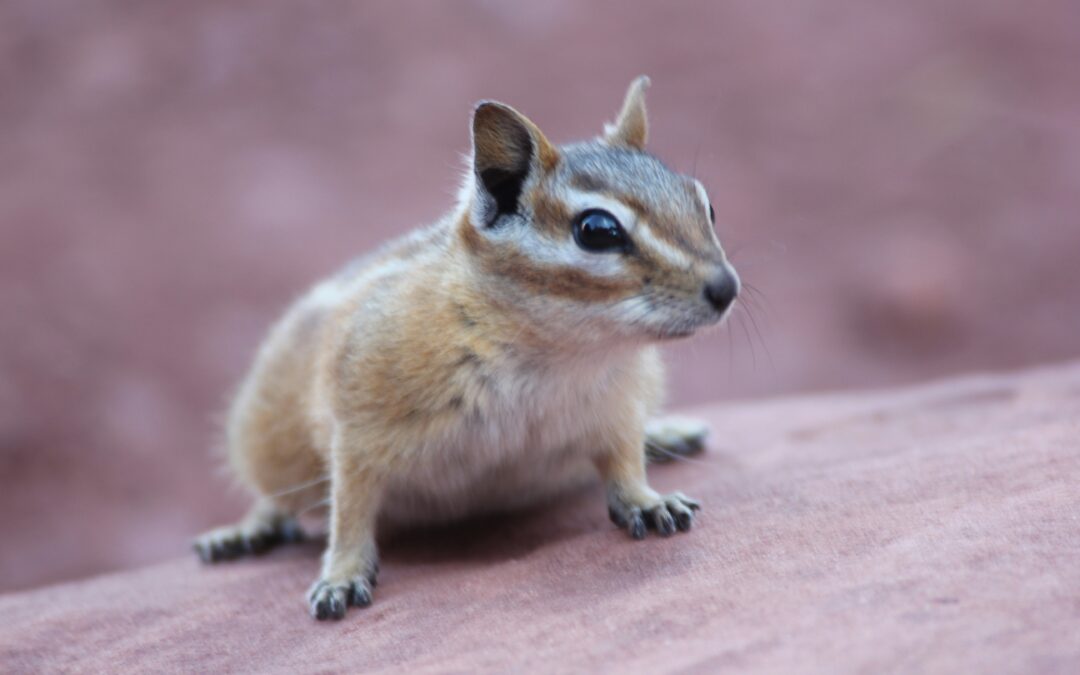
Squirrels may look playful and harmless, but if you watch closely, you’ll see that they are clever, fast, and full of personality. Many people assume all squirrels behave the same, whether they’re raiding a bird feeder in your backyard, leaping from tree to tree in the park, or darting across city streets. But once you dig deeper, you’ll notice that different species of squirrels react in very different ways depending on their environment, threats, and even the season. The way a gray squirrel responds to people feels very different compared to a red squirrel or a flying squirrel. This difference raises an interesting question: do all squirrel species react the same way, or do their instincts, habits, and personalities set them apart?
This post explores the unique reactions of different squirrel species, how they adapt to their environments, and why their responses aren’t identical. You’ll see how everything from food availability to predators shapes their behavior. By the end, you’ll have a clear picture of how fascinatingly diverse these little creatures are.
Understand the Basics of Squirrel Behavior First
Before comparing species, it helps to know what drives squirrel reactions in general. Squirrels are prey animals, so their first instinct is often survival. This explains why they seem jumpy, fast, and alert at all times. Common behaviors include quick darting movements, freezing when startled, and flicking their tails when feeling threatened.
Food is another strong motivator. Most squirrels spend a large part of their day looking for nuts, seeds, and plants. When food is scarce, you’ll see them become more territorial or bold.
But even though these general traits exist across the board, how different species express them can vary widely. For example, one species may scatter and hide at the sight of a human, while another may come close looking for handouts.
Gray Squirrels: The Adaptable Urban Residents
Gray squirrels are one of the most common types that you’ll see in North America. They’re known for adapting easily to city life, often becoming surprisingly bold around humans. In many urban areas, they’ll approach people without much hesitation, especially if food is involved.
Their reactions tend to show confidence rather than fear. If startled, they may leap onto the nearest tree, but often they return within seconds. They have learned that people aren’t usually a direct threat, so their reactions are less defensive compared to other species.
Gray squirrels also use vocal calls and tail flicks to react to danger or to warn others nearby. Their adaptability explains why you see them thrive in both parks and backyards, reacting more with curiosity than panic.
Red Squirrels: The Fiery Defenders
Red squirrels are smaller than gray squirrels, but their reactions are often much more aggressive. If you’ve ever seen a red squirrel around a feeder, you’ll notice how territorial they are. Instead of fleeing, they’ll often stand their ground, chattering loudly or flicking their tails in frustration.
Unlike gray squirrels, red squirrels don’t usually adapt well to crowded environments. They prefer forests where they can defend their space. Their reactions to threats show less tolerance, they chase away rivals and even confront larger animals when cornered.
Based on my overall experience, red squirrels give the impression of being fearless, even when they’re actually just trying to protect their resources. Their quick and fiery reactions are a reminder that species behavior is shaped by more than just instinct, it’s also about competition and survival style.
Flying Squirrels: The Silent Gliders
Flying squirrels offer another fascinating example. Unlike gray and red squirrels, they are nocturnal. This alone makes their reactions very different. Instead of reacting with loud calls or visible tail flicks, flying squirrels rely on stealth.
When threatened, they’re more likely to glide away silently to another tree, avoiding direct confrontation. Their reactions are quieter but no less effective. By moving at night, they avoid many predators and human disturbances altogether.
What stands out about flying squirrels is how much their reactions depend on invisibility and speed rather than aggression or boldness. This shows a completely different strategy shaped by their unique lifestyle.
Ground Squirrels: Masters of Escape
Ground squirrels, unlike their tree-dwelling relatives, live in burrows. Their reactions center on speed and retreat. When they sense danger, they quickly dive into tunnels, often warning others with high-pitched calls.
Unlike gray or red squirrels, ground squirrels don’t climb trees for safety. Their survival relies on digging and hiding underground. This creates a very different reaction pattern. Instead of boldness or territorial displays, their main instinct is rapid retreat.
Their reactions also vary by season. In colder months, many ground squirrel species hibernate, so their activity and reactions change dramatically compared to the active spring and summer months.
Fox Squirrels: Calm but Strategic
Fox squirrels, the largest tree squirrels in North America, often appear calmer compared to other species. They react to threats with slower movements, often climbing to a safe height and then waiting instead of darting away quickly.
Their reactions show patience rather than panic. This strategy may come from their size and confidence, they don’t need to rush as often because they can intimidate smaller animals and hold their ground.
If food is involved, fox squirrels show calculated reactions. They’ll approach cautiously, but once they decide it’s safe, they move confidently. This balance of caution and boldness sets them apart from the more nervous red or ground squirrels.
Environmental Factors That Shape Reactions
While species differences explain a lot, environment plays a big role in how squirrels react.
City squirrels often become bolder since they’re exposed to people daily. They learn that cars, pets, and humans are part of their world, so they don’t panic as quickly. Rural squirrels, on the other hand, remain much more alert and skittish.
Seasonal changes also affect reactions. In autumn, squirrels may act more aggressively because they’re storing food. In winter, their movements slow down, and they may react more cautiously since energy is limited.
Predators, too, play a role. A squirrel living in an area with many hawks may react differently than one in a park full of dogs. Their survival depends on adjusting their reactions to the threats most common in their habitat.
Comparing Species Side by Side
When you look at the big picture, it’s clear that squirrel species don’t react the same way at all.
- Gray squirrels are bold and adaptable, especially in cities.
- Red squirrels are aggressive defenders of territory.
- Flying squirrels are stealthy and silent gliders.
- Ground squirrels rely on speed and burrows for safety.
- Fox squirrels react with calm patience and calculated moves.
This variety proves that their reactions are shaped by more than instinct—they’re influenced by body size, habitat, activity patterns, and competition.
Why These Differences Matter
Understanding how different squirrel species react isn’t just interesting, it also matters for conservation and human interaction. If people assume all squirrels behave the same way, they may treat them incorrectly. For example, approaching a gray squirrel in a park may feel safe, but doing the same with a red squirrel could provoke aggression.
Recognizing these differences also helps protect their habitats. If a species reacts poorly to human disturbance, it needs quieter, protected areas to survive. If another species adapts well to urban life, it may benefit from city parks but still require food sources and safe spaces.
Conclusion
So, do different squirrel species react the same way? The answer is clearly no. Each species has its own unique reaction style shaped by size, environment, and lifestyle. From the bold gray squirrels that thrive in cities, to the fiery red squirrels that defend their territory, to the quiet flying squirrels that glide under the radar, every type shows its own way of surviving and interacting.
From my own personal experience, watching squirrels in different settings makes it obvious that their reactions aren’t one-size-fits-all. Their diversity is part of what makes them so fascinating to observe.
The next time you see a squirrel in your backyard or on a trail, take a moment to notice how it reacts. Is it bold, cautious, aggressive, or calm? Chances are, the answer depends on the species, and that’s what makes these animals so endlessly interesting.