
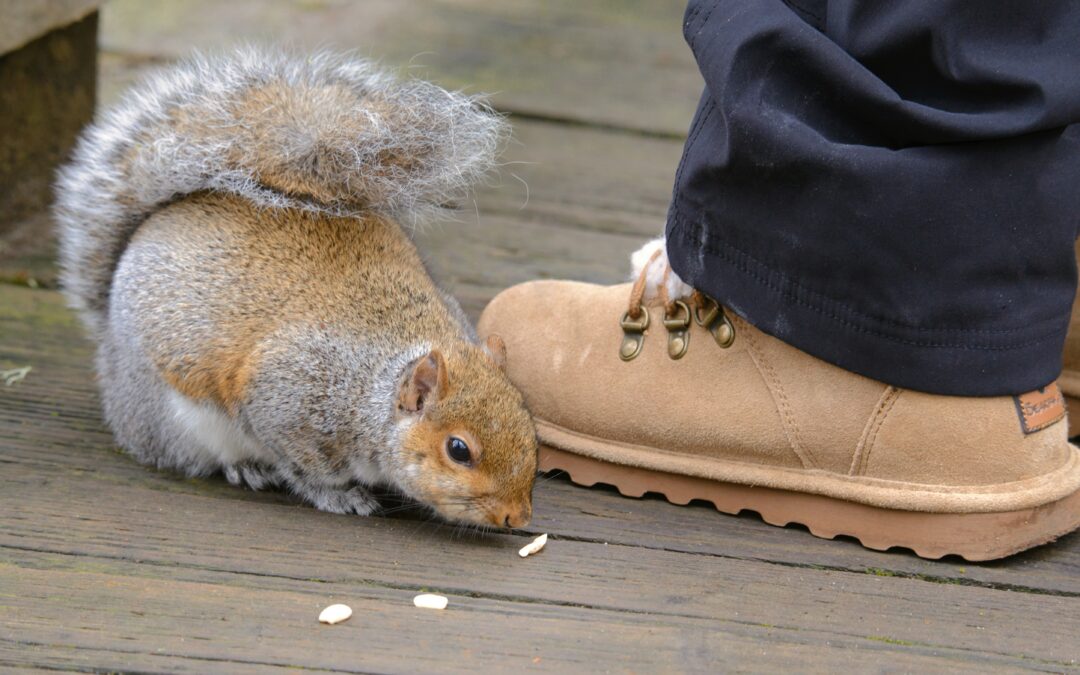
Squirrels may look cute with their fluffy tails and quick jumps, but anyone who has dealt with them in a garden, attic, or bird feeder knows how frustrating they can be. These little creatures can chew wires, rip insulation, dig up lawns, and raid gardens like they own the place. That’s where squirrel repellents come into play. But what exactly is a squirrel repellent, how does it work, and which options actually make a difference? Let’s jump into it.
Understand The Squirrel Behavior First Before Repelling Them
To understand how repellents work, you first need to know what drives squirrels. They are curious, hungry, and territorial. They search for food like nuts, seeds, fruits, and even your bird feed. When winter is close, they get even more active, storing supplies. Their sharp teeth never stop growing, so they chew constantly, often on things you’d rather keep safe.
This constant chewing is not just annoying but also dangerous. Squirrels in an attic can chew through electrical wires, which can cause fire risks. In gardens, they can destroy plants and dig holes that ruin the soil structure. So, repellents are not just about protecting plants, they can also protect your home.
What Does a Squirrel Repellent Do?
A squirrel repellent is any substance, device, or method used to discourage squirrels from a certain area. Repellents do not kill squirrels. Instead, they make an environment less appealing so that squirrels move elsewhere. The idea is to create barriers—whether by smell, taste, sound, or texture, that push squirrels away.
Repellents can be natural or commercial. Some rely on strong smells like peppermint or garlic. Others use predator scents such as fox urine. Then there are mechanical options like ultrasonic devices or motion-activated sprinklers. Each method has its own pros and cons, and what works for one property may not work for another.
Types of Squirrel Repellents
There are several categories of squirrel repellents, each with unique ways of keeping these animals at bay.
1. Natural Scent-Based Repellents
Squirrels rely heavily on their sense of smell. Strong odors like peppermint oil, garlic, vinegar, or ammonia can drive them away. Some people make sprays at home using these ingredients. These scents are harmless to humans but unpleasant to squirrels.
For example, mixing water with peppermint oil and spraying it around garden beds can reduce squirrel visits. However, rain often washes these scents away, so you need to reapply regularly.
2. Taste-Based Repellents
These work by making food or surfaces unappealing. Capsaicin, the active ingredient in chili peppers, is a common choice. If applied to bird feed or plants, it gives squirrels a burning sensation when they try to chew. Birds cannot taste capsaicin, so this method often protects feeders while keeping squirrels at a distance.
3. Predator Urine
This may sound strange, but many repellents use dried or liquid predator urine, such as fox or coyote urine. Squirrels recognize the smell and avoid areas where they think a predator might be lurking. While this method can work, it needs regular refreshing and might not be ideal for everyone due to the strong odor.
4. Ultrasonic Devices
These are electronic repellents that release high-frequency sounds that people cannot hear but squirrels find irritating. Some devices are solar-powered and can cover large outdoor spaces. The downside is that effectiveness varies. Some squirrels get used to the noise, and obstacles like walls reduce the reach of sound waves.
5. Motion-Activated Sprinklers
Water is harmless but very effective at startling squirrels. A motion-activated sprinkler sprays water whenever it detects movement. This unexpected burst teaches squirrels to stay away from certain spots. It works best in gardens and lawns but may not be practical indoors.
6. Texture Barriers
Sometimes, the best repellent is simply making an area uncomfortable to walk on or chew. Applying sticky substances or using spiky mats can discourage squirrels from climbing fences, digging in soil, or entering attics. It doesn’t harm them, but it makes the effort too annoying.
Do Squirrel Repellents Really Work?
This is the question many homeowners ask. The honest answer is yes and no. Repellents can work, but they are rarely perfect on their own. Squirrels are clever and adaptable. If food is easy to get, they may push through even if the smell or taste is unpleasant.
That’s why most successful strategies combine different methods. For example, you might spray peppermint oil near a bird feeder, add a baffle to block climbing, and place a motion-activated sprinkler in the yard. This layered approach creates multiple barriers, making it less rewarding for squirrels to stay around.
When to Use a Squirrel Repellent
You might consider repellents in several situations:
- If squirrels are digging in your garden beds.
- If they are raiding your bird feeders.
- If they are chewing on your deck, siding, or wires.
- If they keep entering your attic or crawl space.
It’s always better to act early. Once squirrels build a habit of visiting a certain spot, breaking that habit becomes harder. Prevention saves time and money in the long run.
From My Own Personal Experience
From my own personal experience, repellents work best when combined with other preventive measures. I tried using peppermint spray in a small garden area where squirrels kept digging up bulbs. At first, it worked perfectly, but after a week of rain, the effect wore off. Only when I combined the spray with a mesh cover over the soil did the squirrels finally stop coming back. This showed me that relying on one method alone usually isn’t enough.
How to Make DIY Squirrel Repellents
If you prefer a budget-friendly option, you can make repellents at home with common items.
Peppermint Spray
Mix 2 cups of water with 20 drops of peppermint oil and a teaspoon of dish soap. Shake well and spray around plants, entry points, or feeders.
Vinegar Solution
Soak rags in white vinegar and place them near areas squirrels invade. Replace them every few days for best results.
Chili Powder Mix
Sprinkle chili powder or crushed red pepper flakes around the garden or mix them with bird seed. Squirrels hate the burning sensation, but birds remain unaffected.
Long-Term Strategies Beyond Repellents
While repellents help, they are not a permanent solution. Long-term strategies make your property less attractive to squirrels altogether.
Block Entry Points
Seal holes in attics, vents, and eaves with steel mesh. Squirrels can chew wood and plastic, but not metal.
Use Squirrel-Proof Feeders
Many feeders are designed with cages or weighted perches that close under a squirrel’s weight, allowing birds to eat while keeping squirrels out.
Trim Overhanging Branches
If branches give squirrels easy access to roofs, cut them back. This reduces the risk of them reaching attics or bird feeders.
Remove Food Sources
Clean up fallen nuts, fruits, or bird seeds. The less food available, the less reason squirrels have to hang around.
The Ethical Side of Repellents
It’s important to remember that repellents are meant to deter, not harm. Poison or lethal traps are dangerous, not only for squirrels but also for pets, birds, and even children. Humane approaches keep the balance between protecting your space and respecting wildlife.
Many experts suggest choosing solutions that are safe, eco-friendly, and easy to maintain. Squirrels are part of the ecosystem, and while they can be a nuisance, they also play a role in spreading seeds and supporting biodiversity.
Final Thoughts
A squirrel repellent is simply a tool to keep squirrels away from places where they cause damage. It can be a spray, a device, a barrier, or even a natural scent. No single method works forever, but combining them increases success. Based on my overall experience, repellents are most effective when paired with prevention like sealing entry points or limiting access to food.
Squirrels will always be around, but with the right repellents, you can live with them without letting them take over your garden, attic, or feeders.
Have you ever tried using squirrel repellents yourself? Which method worked best for you? I’d love to hear your experiences in the comments.