
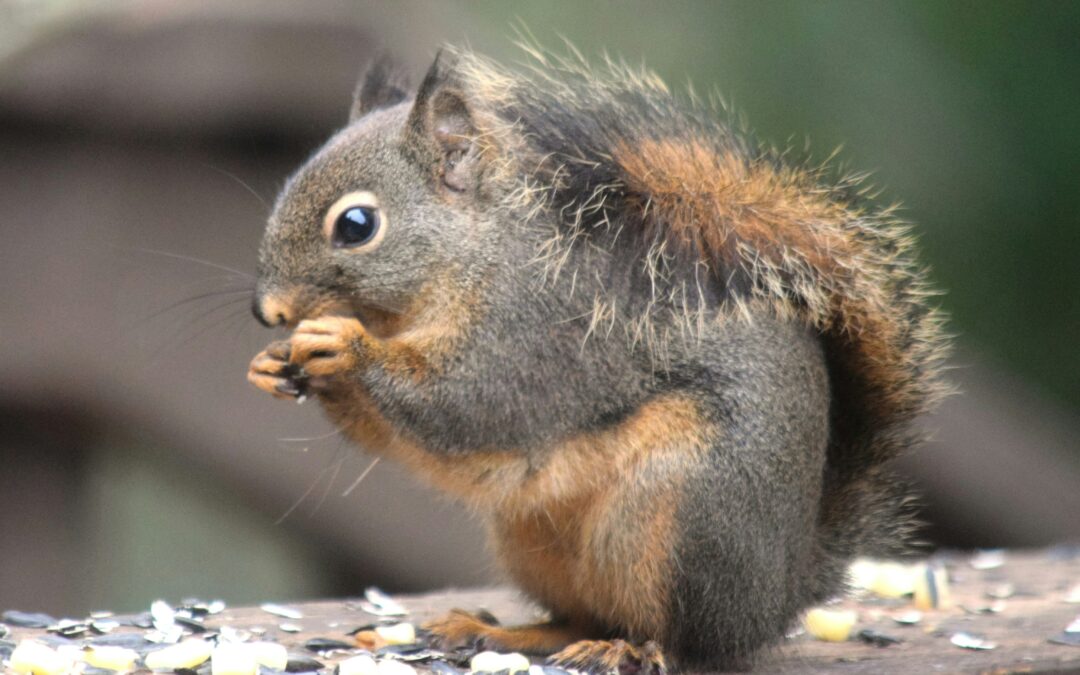
Squirrels are everywhere. From urban parks to suburban backyards, these agile little rodents are famous for their bushy tails, clever antics, and insatiable curiosity. Watching them scurry around, nibbling on acorns or darting up trees, you might wonder, can these little creatures eat cheese? Maybe you’ve even spotted a squirrel sniffing near your picnic basket or backyard feeding station and thought about sharing some cheese. But is it safe for them? Let’s break it down in detail.
Many people often assume squirrels can eat almost anything humans enjoy. After all, they are small mammals with a strong appetite, so the idea of offering them cheese seems harmless. But understanding a squirrel’s natural diet and digestive system is key before tossing them a nibble of cheddar or gouda.
What Do Squirrels Normally Eat?
Squirrels are primarily herbivores, meaning their diet consists mostly of plant-based foods. Their natural diet includes:
- Nuts such as acorns, walnuts, and pecans
- Seeds from sunflowers, pumpkins, and other plants
- Fruits like berries, apples, and pears
- Vegetables including corn, leafy greens, and carrots
- Occasionally, fungi like mushrooms
Some species of squirrels, especially those living in urban environments, have adapted to eat small amounts of human foods. However, this doesn’t mean all human foods are safe for them.
Cheese is not part of a squirrel’s natural diet. It is high in fat and protein and contains dairy components like lactose, which squirrels may struggle to digest. Feeding squirrels cheese occasionally might not harm them, but making it a regular treat can cause digestive issues or even health problems over time.
Cheese vs Squirrels’ Digestion
Most squirrels are lactose intolerant to some degree. Lactose is the sugar found in milk and dairy products, including cheese. Adult squirrels generally produce very little lactase, the enzyme needed to break down lactose.
If a squirrel consumes cheese:
- They may experience stomach upset or diarrhea.
- Over time, repeated exposure could lead to nutrient imbalances.
- High-fat cheeses can contribute to obesity if given frequently.
Soft cheeses like brie, cream cheese, or cottage cheese have higher moisture content and more lactose than hard cheeses like parmesan or cheddar. This means they can be even trickier for a squirrel’s digestion.
From my own personal experience, when observing squirrels in backyard feeding situations, I noticed that squirrels often sniff or nibble at cheese but rarely consume large amounts. Their instinct generally steers them toward nuts, seeds, and fruits first. They are opportunistic eaters, but they tend to avoid foods that could upset their system.
Occasional Treats vs. Regular Feeding
Squirrels are naturally foragers. Their bodies are designed to process foods found in nature. Occasionally offering a small piece of cheese as a treat is unlikely to harm them, especially if it’s a firm, aged cheese with low lactose.
However, frequent feeding of cheese or other dairy products can disrupt their natural eating habits:
- They may begin to rely on human-provided foods instead of foraging.
- A diet high in fatty human foods can lead to weight gain.
- Nutrient deficiencies may occur because cheese doesn’t provide the range of vitamins and minerals squirrels get from their natural foods.
If you want to provide a healthy treat, consider alternatives closer to their natural diet. Small pieces of unsalted nuts, apple slices, or sunflower seeds are much safer and still enticing to squirrels.
Can Cheese Attract Other Wildlife?
One important consideration is that cheese doesn’t just attract squirrels, it can attract other wildlife too. Raccoons, rats, mice, and even stray cats or dogs may be drawn to the smell. Feeding cheese outdoors might inadvertently create a situation with unwanted visitors.
From my own personal experience, offering cheese in a backyard feeding station once led to a raccoon discovering the area, which quickly scared away the squirrels. While cheese smells appealing to many animals, it’s not an ideal option for backyard squirrel feeding if the goal is to observe them safely and naturally.
The Nutritional Perspective
Cheese is rich in protein, calcium, and fat. These nutrients are essential in small amounts, but squirrels get their protein and calcium from natural foods like nuts, seeds, and some vegetables. Adding cheese to their diet is not necessary and could actually tip the balance too far toward fat and protein, neglecting fiber and other vital nutrients.
Squirrels need a balanced diet to support their high-energy lifestyles. They climb, jump, and scavenge constantly, which requires a diet rich in carbohydrates, fiber, and certain micronutrients. Cheese is calorie-dense but does not provide the range of nutrients they need to thrive.
Signs a Squirrel Should Avoid Cheese
If you notice squirrels displaying certain behaviors after eating human foods like cheese, it could be a sign to avoid feeding it:
- Diarrhea or loose stools
- Lethargy or reduced activity
- Refusal to eat their usual foods
- Bloating or unusual vocalizations
Even small amounts can affect some squirrels more than others, especially young or sick individuals. When in doubt, it’s safer to stick to natural, squirrel-friendly foods.
Tips for Feeding Squirrels Safely
If the goal is to enjoy observing squirrels or supplementing their diet in your backyard, here are some safer options:
- Nuts: Unsalted and raw nuts are ideal. Almonds, walnuts, and peanuts (without shells if you prefer) are favorites.
- Seeds: Sunflower and pumpkin seeds are nutrient-rich and mimic natural foods.
- Fruits: Apples, pears, berries, and grapes are great in moderation. Avoid citrus fruits as they can be harsh on their stomachs.
- Vegetables: Carrots, broccoli, or small corn pieces provide fiber and essential nutrients.
- Avoid processed foods: Chocolate, bread, chips, and cheese should be given only in very small amounts or not at all.
Providing water is also important. Squirrels often get hydration from fruits and nuts, but a shallow water dish can help during dry periods.
Observe The Squirrels Responsibly
Feeding squirrels can be fun, but it’s important to respect their natural behaviors. Overfeeding, offering inappropriate foods, or making them dependent on humans can have negative consequences:
- Wild squirrels need to develop their foraging skills to survive winters and food shortages.
- Reliance on human-provided foods can make them more aggressive or less cautious around people.
- Offering cheese or other dairy treats may feel cute, but it can harm their long-term health.
From my own personal experience, watching squirrels forage naturally is more rewarding than seeing them snack on human food. Providing natural treats occasionally lets you enjoy their antics without interfering with their natural diet or behavior.
Conclusion: Should Squirrels Eat Cheese?
So, can squirrels eat cheese? The short answer is yes, in very small amounts, but it’s not ideal. Cheese is not a natural food for squirrels, and feeding it regularly can cause digestive issues, nutritional imbalance, and unwanted wildlife encounters. If you truly want to help or enjoy watching squirrels, stick to nuts, seeds, fruits, and vegetables that resemble their natural diet.
Remember, squirrels are adaptable and curious creatures. They may nibble on cheese once or twice, but their bodies and instincts are best suited to foraging the foods nature intended for them. Providing healthy, natural treats allows you to enjoy these lively little animals while keeping them safe, healthy, and independent.
Next time a squirrel eyes your cheese platter, you might resist the urge to share. Instead, consider tossing a few nuts or apple slices and watch the little acrobat enjoy a treat that actually benefits them.