
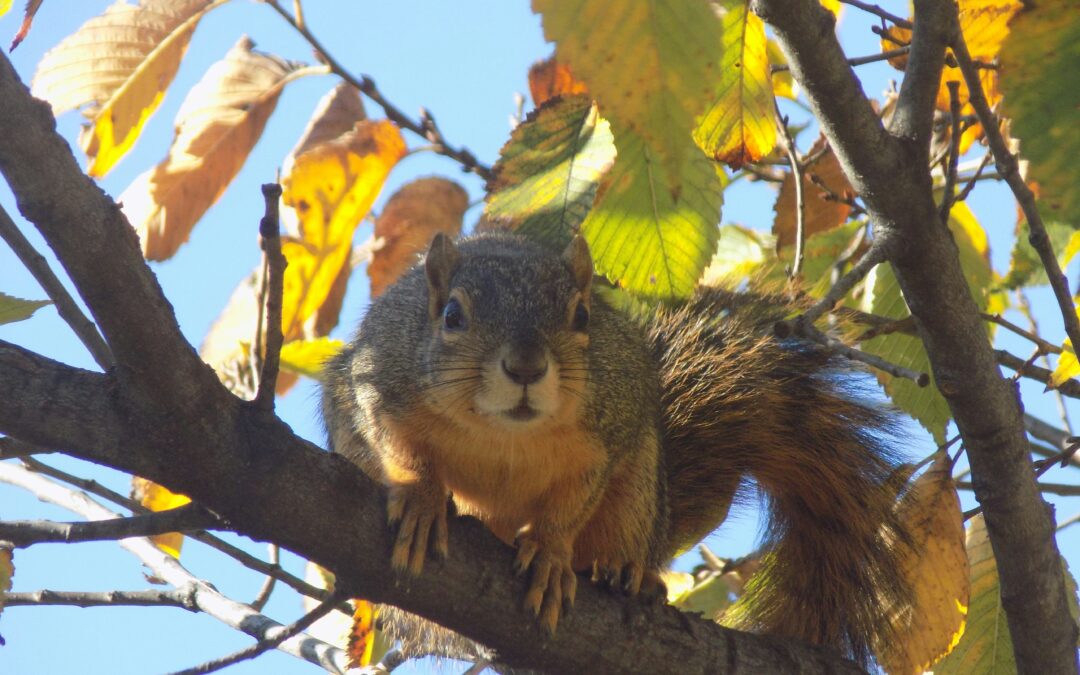
Squirrels are one of those animals you see almost daily, darting across parks, climbing trees, or even sneaking into bird feeders. They look light, quick, and playful, but behind that energy is a serious need for food and water. These little creatures rely heavily on consistent nutrition to keep up with their busy lifestyles. The question many people ask is: how long can a squirrel live without food and water?
This topic might sound simple at first, but once you start looking at the habits, body needs, and survival strategies of squirrels, you realize there is much more to it. From my own personal experience, watching squirrels in my backyard during both summer heat and winter snow made me realize how resourceful yet vulnerable they really are when it comes to survival.
Let’s Jump into the details step by step and break this down so you fully understand how long a squirrel can make it without its two most important needs: food and water.
The Energy Demands of a Squirrel’s Life
Squirrels are not calm animals. They don’t sit still for long. They climb trees, dash across open ground, leap from branch to branch, and constantly search for food. This high level of activity means their bodies burn calories quickly.
Unlike some animals that conserve energy by moving slowly, squirrels rely on speed and agility. Every jump, every climb, and every run drains energy. Because of this, their survival without food is limited compared to slower or less active species.
The constant movement also increases their need for water. Running around burns not only calories but also fluids. Dehydration can come much quicker to a squirrel than to an animal that spends its day resting in a shady spot.
Typical Diet and Why It Matters
Squirrels eat a wide range of foods depending on the season. Nuts, seeds, fruits, insects, mushrooms, and even tree bark can all be on their menu. This variety provides them with carbohydrates, proteins, and fats that fuel their bodies.
The diet isn’t random either. Fat-rich foods, like acorns and walnuts, give squirrels the long-term energy storage they need. Sugary fruits give them quick bursts of energy. Together, this balance allows them to run around all day and still have enough energy stored for survival.
But without food, these energy stores run out quickly. A squirrel cannot simply sit for days and wait. The body burns through reserves fast, and once fat and muscle are depleted, survival chances drop.
Water Needs in Daily Life
Food is one side of the survival puzzle. The other side is water. Squirrels need water just as much as food, maybe even more during hot seasons. They drink from ponds, puddles, bird baths, or streams.
Water is critical for digestion, body temperature regulation, and muscle function. Without it, dehydration sets in, leading to weakness, disorientation, and eventually death. In the wild, dehydration can strike faster than starvation. While food stores in the body can keep them going for a short while, water is something they must find quickly.
Seasonal Differences in Survival
The length of time a squirrel can live without food and water isn’t the same in every season. Weather plays a massive role in their survival.
During summer, when temperatures rise, squirrels lose water faster through heat and activity. Without water, a squirrel might not make it past a day or two. Food can sometimes stretch a little longer if fat stores are high, but dehydration is the faster killer.
Winter is a different story. Cold weather lowers activity levels, and squirrels conserve energy. They rely more on stored body fat and cached food. In freezing temperatures, dehydration is slower, especially when they can chew on snow or find ice. In these conditions, a squirrel may last slightly longer without fresh food or water, but not for extended periods.
How Long Can Squirrels Survive Without Food?
On average, most healthy squirrels can live around 5 to 8 days without food. The exact time depends on age, body condition, and activity level. Young squirrels or those with little body fat will not last as long.
Squirrels in the wild are constantly active, which makes it difficult for them to conserve energy. Every run or climb uses up more calories, pushing them toward starvation faster. For comparison, larger animals that move slowly might survive much longer without food, but squirrels simply don’t have that luxury.
How Long Can Squirrels Survive Without Water?
Water is far more urgent than food. Without access to water, a squirrel can only survive about 1 to 3 days. Heat speeds this process up dramatically. In scorching conditions, even 24 hours without water can be fatal.
The signs of dehydration are clear. A dehydrated squirrel will appear weak, slow, and confused. Their energy drops sharply, and survival chances decrease quickly. Water is not something they can store in large amounts like fat, which makes it vital for them to find some every single day.
The Role of Stored Food and Fat
Squirrels are famous for storing food. They bury nuts and seeds in dozens of spots, creating little food banks they can rely on later. These hidden stashes help them bridge the gap when food is scarce.
Stored body fat also matters. A squirrel that has built up fat reserves in autumn can survive longer without food compared to a thin squirrel at the end of winter. Fat acts as an emergency backup system, allowing them to last those 5 to 8 days if needed.
Still, fat does not replace water. Even with plenty of fat, dehydration will stop them long before starvation does.
Baby Squirrels: The Most Vulnerable
Adult squirrels have some survival tricks, but baby squirrels don’t have the same advantages. Young ones are highly dependent on their mother for both food and hydration. Without milk, they can die in less than a day.
Their small bodies lose water quickly, and they lack the fat reserves of adults. This makes them fragile, with survival times much shorter. In many cases, abandoned baby squirrels can’t last more than 12 to 24 hours without feeding.
Survival Strategies in the Wild
To avoid these dangers, squirrels have developed habits that increase their survival chances. They cache food in multiple spots so that if one stash is lost, they still have others. They drink whenever water is available, storing hydration in their tissues even if they can’t carry water physically.
They also change behavior depending on the season. In hot weather, squirrels spend more time resting in shaded spots during midday and search for food during cooler hours. In winter, they reduce movement, staying in nests for longer periods to conserve both food and water.
What Happens to a Squirrel’s Body Without Food and Water?
The process of starvation and dehydration is brutal, even for animals built for survival. Without food, the body burns stored carbohydrates first, then fat, and eventually protein from muscle. This leads to weakness, weight loss, and reduced mobility.
Without water, the body cannot regulate temperature, digestion slows down, and circulation suffers. Muscles cramp, energy fades, and eventually organ failure sets in. For a creature that relies on constant activity to stay safe from predators, even small drops in strength can mean the difference between life and death.
Human Encounters and Rescue Cases
Sometimes squirrels get trapped in attics, sheds, or garages without access to food or water. In such cases, they usually don’t survive more than a couple of days unless rescued. Wildlife rehabilitation centers often see squirrels in these conditions, dehydrated and weak, needing fluids immediately.
Based on my overall experience of reading rescue reports and seeing how these animals behave around human areas, squirrels often risk getting close to people if it means finding water. Bird baths, pet bowls, and garden fountains all become survival lifelines for them.
Can Squirrels Adapt to Long Periods Without Food or Water?
Unlike camels or some desert reptiles, squirrels are not built to go long periods without food or water. Their small size, fast metabolism, and active lifestyle mean they must eat and drink regularly. Adaptation for them means preparation, storing food and finding safe water sources ahead of time.
Even though they are smart and resourceful, their bodies simply cannot stretch survival much beyond a week without food or more than a few days without water.
Final Thoughts
Squirrels may look like playful creatures living carefree lives, but survival is a daily challenge for them. They can survive without food for about 5 to 8 days if they have fat reserves, but water is far more critical. Without water, they usually last only 1 to 3 days.
From my own personal experience, observing them in my backyard during dry spells showed me how quickly they search for bird baths and puddles to drink from, even if it means coming dangerously close to people. That urgency proves how vital water is for them compared to food.
So the next time you see a squirrel darting around with an acorn or pausing to sip from a fountain, remember that these actions are not just habits, they are life-saving strategies. Survival for them depends on the balance of constant energy from food and the hydration their small bodies desperately need every single day.