
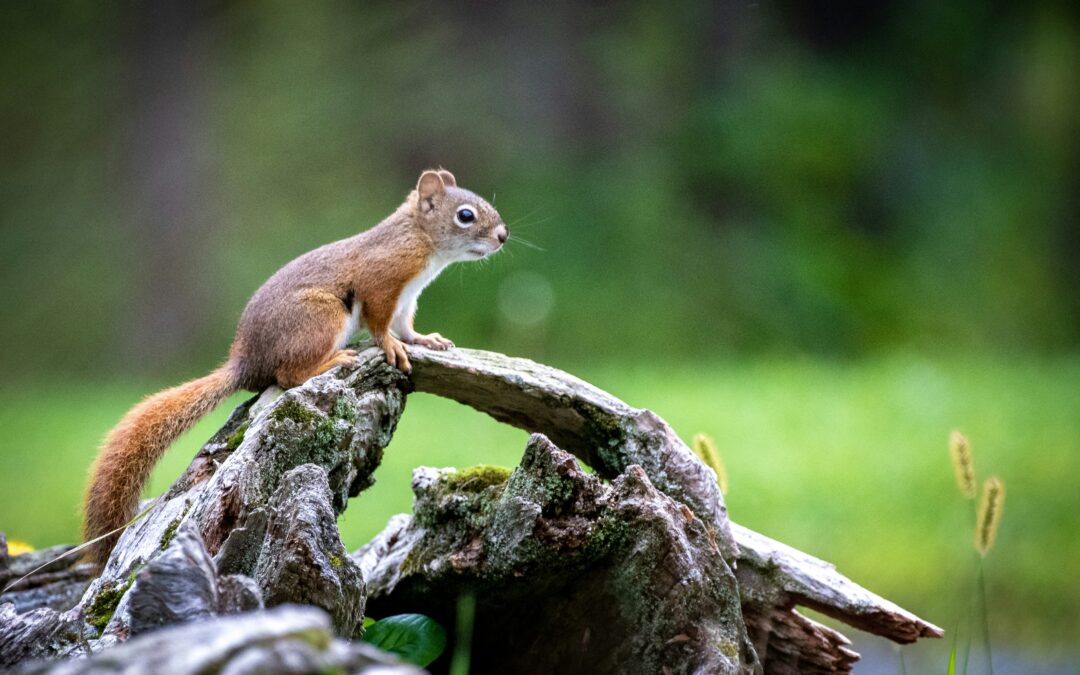
You’ve probably been out in the park, and a curious squirrel gets a little too close for comfort. Maybe you had food in your hand, or maybe the squirrel just wasn’t afraid of you at all. It’s natural to wonder: can I touch a squirrel with bare hands?
The simple answer is no, you shouldn’t. But like most things in life, the real answer is layered. It depends on safety, biology, respect for wildlife, and even your own self-control. Let’s dig deep into why this is such a big deal, why it feels tempting, and what really happens if you try.
The Curiosity Behind Wanting to Touch a Squirrel
Squirrels are small, quick, and undeniably cute. Their fluffy tails and twitchy noses make them seem harmless, almost like little outdoor pets. When you see one eating from your hand or climbing nearby, the urge to reach out and give a gentle touch is strong.
But here’s the problem: our instincts clash with what’s actually best for both humans and squirrels. The idea of touching them feels innocent, but it opens a long list of risks and ethical issues.
Let’s Understand Squirrels as Wild Animals Here
Unlike cats or dogs, squirrels aren’t domesticated. They live by instinct. Even though they might come close to humans, especially in cities and parks where they’ve grown used to us, they are still wild.
This means:
They don’t trust fully. Even if a squirrel takes food from you, it’s acting out of survival, not friendship.
They react fast. A sudden movement, noise, or touch can make them panic and bite or scratch.
They carry risks. Like all wild animals, they can carry diseases, fleas, and bacteria.
Squirrels are survivors. Their instincts are hardwired for self-protection, and that’s where problems begin if you try to touch them.
The Health Risks You Might Face
Touching a squirrel with bare hands isn’t just about getting scratched. It’s about what could come with that scratch or bite.
Bites: Even small bites can break the skin. Squirrels have sharp teeth that can puncture deep.
Diseases: While rare, squirrels can carry illnesses like tularemia, leptospirosis, or even rabies in very unusual cases.
Parasites: Fleas, ticks, and mites often live on squirrels. A quick touch could pass one onto you.
Infections: Dirt, bacteria, or debris from their claws or fur can lead to infections if it enters a cut.
From my own personal experience, I once got too close to a squirrel when I had a piece of bread in my hand. The squirrel darted forward so quickly that it startled me. While it didn’t bite me, the speed and sharpness of its claws as it tried to grab the bread made me realize how dangerous that close contact could be. I learned fast that my curiosity wasn’t worth the risk.
The Risks for the Squirrel
It’s not just about you. Touching a squirrel with bare hands can hurt the animal too.
Stress: Human handling can stress out squirrels, sometimes so badly that it affects their health.
Scent Transfer: Your scent on their fur can make them more noticeable to predators.
Dependency: Feeding and touching squirrels can make them lose their fear of humans, which is unsafe for them in the long run.
Injury: Even gentle touches can hurt their delicate bodies if you don’t know how much pressure you’re using.
The Temptation in Urban Parks
City squirrels are bold. They climb onto benches, approach people, and sometimes even take food straight out of hands. It’s easy to think these squirrels are tame.
But here’s the truth: they’re not pets. They’ve just adapted to humans being around. The second they feel threatened, they’ll act like any wild animal. And once they start associating hands with food, they can get aggressive toward anyone carrying snacks.
The Psychology of Wanting to Touch
Why do people even want to touch squirrels in the first place? There are a few reasons:
They look harmless. Small animals trick our brains into thinking they’re safe.
They remind us of pets. Their fur and size are similar to hamsters, guinea pigs, or kittens.
They seem curious. When a squirrel gets close, it feels like an invitation.
Social media influence. Seeing videos of people holding or petting squirrels online creates false expectations.
But what you don’t see in those viral clips are the scratches, the risks, or the aftermath.
Legal Concerns You Might Not Know About
In many places, touching, feeding, or handling wild animals is actually illegal. Wildlife laws exist to protect both the animals and the public. Getting caught trying to grab or handle a squirrel could result in fines.
Safe Alternatives to Touching
If you really want to interact with squirrels without risk, here are better options:
Observe from a distance. Bring binoculars or just sit quietly and watch.
Feed responsibly (where allowed). Place food on the ground instead of hand-feeding.
Take photos. Capture their movements instead of interfering.
Learn about them. Understanding their behavior can be just as rewarding as touching them.
The Real Dangers of Hand-Feeding
Some people argue, “But I’ve fed squirrels before and nothing bad happened.” That may be true, but the danger increases each time.
Hand-feeding encourages squirrels to come too close. They start expecting food, and when they don’t get it, they may nip or claw out of frustration. That’s not a safe cycle to create.
The Difference Between Baby Squirrels and Adults
Baby squirrels may look especially approachable. Sometimes they even fall out of nests and appear to “need help.”
But here’s the reality:
Baby squirrels are fragile and shouldn’t be touched with bare hands.
If you find one, the best thing is to call a wildlife rescue center.
Handling them directly could hurt them or make it harder for their mother to reclaim them.
Final Word: So, Can You Touch a Squirrel With Bare Hands?
You can, but you shouldn’t. The risks are real for both you and the squirrel. It may feel like a harmless act, but the consequences outweigh the curiosity.
From my overall experience observing squirrels and learning how they react to human contact, the safest way to enjoy them is from a respectful distance. Touching isn’t necessary to appreciate their beauty, speed, and cleverness.
So next time you’re tempted, remember: squirrels thrive best when left wild.
Closing Thoughts
Squirrels add charm to parks and backyards. Their energy and playfulness brighten up the environment. But enjoying them doesn’t mean you have to touch them.
Respect their space. Protect your health. And instead of reaching out with bare hands, reach out with patience and understanding.
That’s how you truly connect with wildlife.