
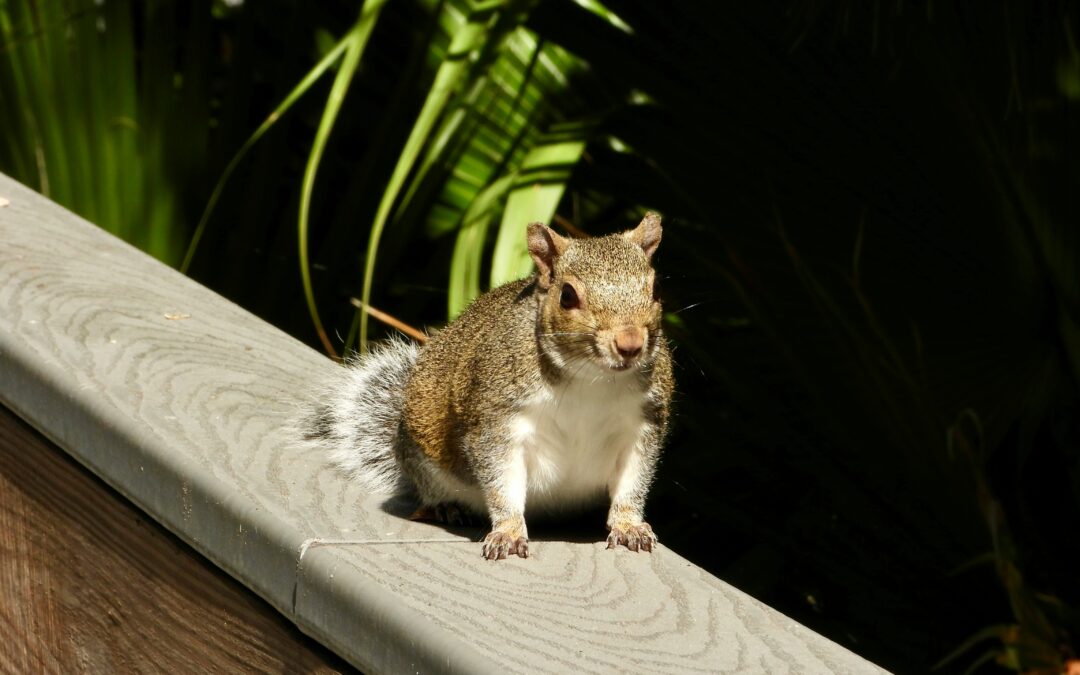
Squirrels are some of the most curious and energetic creatures in nature. Watching them scurry around trees, leap from branch to branch, and dig into the ground for hidden treasures is always fascinating. But one question that pops up often, especially for people who feed or observe them, is: do squirrels eat worms?
From my own personal experience observing squirrels in my backyard, their eating habits are surprisingly diverse. While most people associate squirrels mainly with nuts, seeds, and fruits, they are actually opportunistic feeders. This means they are willing to eat a wide variety of foods depending on availability. Worms are a potential food source, but whether squirrels regularly eat them depends on several factors.
Squirrel Diet Basics
Squirrels primarily belong to two categories: tree squirrels and ground squirrels. Tree squirrels, such as the Eastern gray squirrel, spend most of their time in trees. Ground squirrels, like the California ground squirrel, forage on or under the ground.
Both types of squirrels have diets that include:
- Nuts like acorns, walnuts, and pecans
- Seeds from plants and grasses
- Fruits, berries, and sometimes fungi
- Vegetables or edible plant parts
- Occasionally insects or small invertebrates
The inclusion of worms in a squirrel’s diet falls under the category of insects and invertebrates. Squirrels are not strictly herbivores. Many small mammals, including squirrels, supplement their diet with protein from insects, eggs, or worms, especially when other food is scarce.
Why Squirrels Might Eat Worms
Worms provide several benefits for squirrels. First, they are an excellent source of protein and essential nutrients. Protein helps squirrels grow, stay active, and maintain their fur and energy levels. While nuts are high in fats and calories, worms are low in fat but rich in protein, making them a good occasional supplement.
Squirrels may also eat worms if they are easily accessible. For example, after a rainstorm, worms often surface from the soil, making them an easy meal for any animal that happens to notice them. Ground squirrels are more likely to encounter and eat worms than tree squirrels because they spend more time digging and foraging in soil.
It’s worth noting that not all squirrels actively hunt worms. Some might inspect them, sniff around, and then move on if a nut or berry is available. Opportunistic feeding doesn’t mean worms are a mainstay of their diet, but they are not entirely off the menu either.
Observations in the Wild
From my own personal experience observing urban squirrels, I’ve noticed that they tend to focus on high-energy foods they can grab quickly, like acorns or seeds. However, on several occasions, I’ve seen them dig in moist soil patches or flower beds after a heavy rain. While they sometimes ignore worms, there are instances where they actually pick them up and eat them.
Studies of wild squirrel populations also show that squirrels occasionally consume invertebrates. For example, in the wild, gray squirrels have been observed eating bird eggs, insects, and even small snakes or frogs if the opportunity arises. This indicates that their diet can be more diverse than commonly assumed. Worms fit neatly into this category of occasional animal protein consumption.
Seasonal Variations in Squirrel Diets
Squirrel diets change with the seasons. In the spring and summer, squirrels have access to fresh fruits, nuts, and green vegetation. Worms may become more attractive during rainy periods when the soil is moist and the worms are easier to find.
During fall, squirrels focus on hoarding nuts for winter. They may still eat worms, but energy-rich foods like acorns, hazelnuts, and seeds take priority. In winter, food scarcity may push squirrels to expand their diets to include whatever is available, which could include worms, insects, and even scraps of human food.
Are All Worms Safe for Squirrels?
Not all worms are necessarily safe for squirrels. Earthworms are generally harmless, but worms from chemically treated soil, gardens with pesticides, or contaminated areas may be risky. Squirrels have natural instincts to avoid harmful substances, but they aren’t perfect detectors. This is why squirrels tend to prefer natural, untreated habitats when foraging.
Some squirrels may also reject certain worms due to taste or texture. Not every worm will appeal to every squirrel. For example, larger earthworms may be harder to manage than smaller, softer worms, and some squirrels may simply pass on them in favor of more manageable food sources.
Feeding Squirrels Worms: Is It Advisable?
Many wildlife enthusiasts love feeding squirrels, but introducing worms into their diet is tricky. While worms are not inherently harmful, feeding them can encourage unnatural behavior. Squirrels might start depending on humans for food rather than foraging naturally.
From my own personal experience, offering occasional worms is fine, especially if they are organic and chemical-free. However, it’s better to stick to foods squirrels naturally seek out, like:
- Unsalted nuts and seeds
- Fresh fruits and berries
- Small amounts of vegetables
These foods are closer to what squirrels would eat in the wild and provide more sustainable nutrition. Worms can be considered a rare treat rather than a regular meal.
Squirrel Behavior Around Worms
Squirrels are cautious eaters. They often inspect unfamiliar foods before consuming them. When encountering worms, squirrels may:
- Sniff or touch the worm with their paws
- Bite it lightly to test taste or texture
- Decide to eat it or leave it
This cautious approach ensures they avoid potentially harmful substances. Some squirrels might become more adept at eating worms after repeated exposure, while others may continue avoiding them altogether.
Interestingly, observing squirrels with worms can reveal their problem-solving skills. They may manipulate the worm, turn it around, or even hide it temporarily, similar to how they handle nuts and seeds. This shows that even small creatures like squirrels have adaptive feeding strategies.
Other Animals That Eat Worms
While squirrels may occasionally eat worms, other animals rely on them more heavily. Birds like robins, thrushes, and starlings actively hunt worms. Hedgehogs, frogs, and even domestic chickens consider worms a staple protein source.
Squirrels fall somewhere in between. They eat worms when convenient or when protein needs increase, but they are not as dependent on worms as birds or amphibians. Understanding this helps clarify why squirrels are omnivorous but opportunistic rather than specialized worm-eaters.
How Soil Conditions Affect Worm Availability
Worm availability depends on soil moisture, temperature, and health. After rainfall, worms rise to the surface to avoid drowning in saturated soil. This makes them accessible to ground-dwelling animals like squirrels.
Dry, compact, or chemically treated soil reduces worm activity, which in turn reduces the likelihood of squirrels eating them. Gardeners and wildlife observers can use this knowledge to understand when squirrels might diversify their diet with worms.
Signs That Squirrels Have Eaten Worms
It can be hard to tell exactly what squirrels eat in the wild. However, signs they have eaten worms may include:
- Observing a squirrel digging in soft soil patches
- Spotting a squirrel carrying or consuming small worms
- Disturbed soil with tracks or tiny bite marks near worms
Behavioral observations over time give the best insight into dietary habits. Patience and careful watching can reveal surprising aspects of squirrel diets that are not immediately obvious.
Conclusion: Do Squirrels Eat Worms?
The short answer is yes, squirrels can and do eat worms, but it’s usually occasional rather than a primary food source. They are opportunistic omnivores, meaning worms are just one of many possible protein sources. Factors such as species, habitat, seasonal food availability, and individual preference influence whether a squirrel will eat a worm.
From my own personal experience, observing squirrels in natural and backyard environments shows that they are cautious, adaptive, and creative eaters. While nuts, seeds, and fruits dominate their diet, worms occasionally supplement their protein intake, especially in moist or rainy conditions.
In the end, squirrels are fascinating animals with diverse feeding strategies. Their willingness to try new foods like worms demonstrates adaptability and intelligence. Observing these behaviors provides insights into how animals survive, thrive, and interact with their environment.
So next time worms surface in the garden, keep an eye out, you might just catch a squirrel in action, expanding its diet in ways many people don’t expect.