
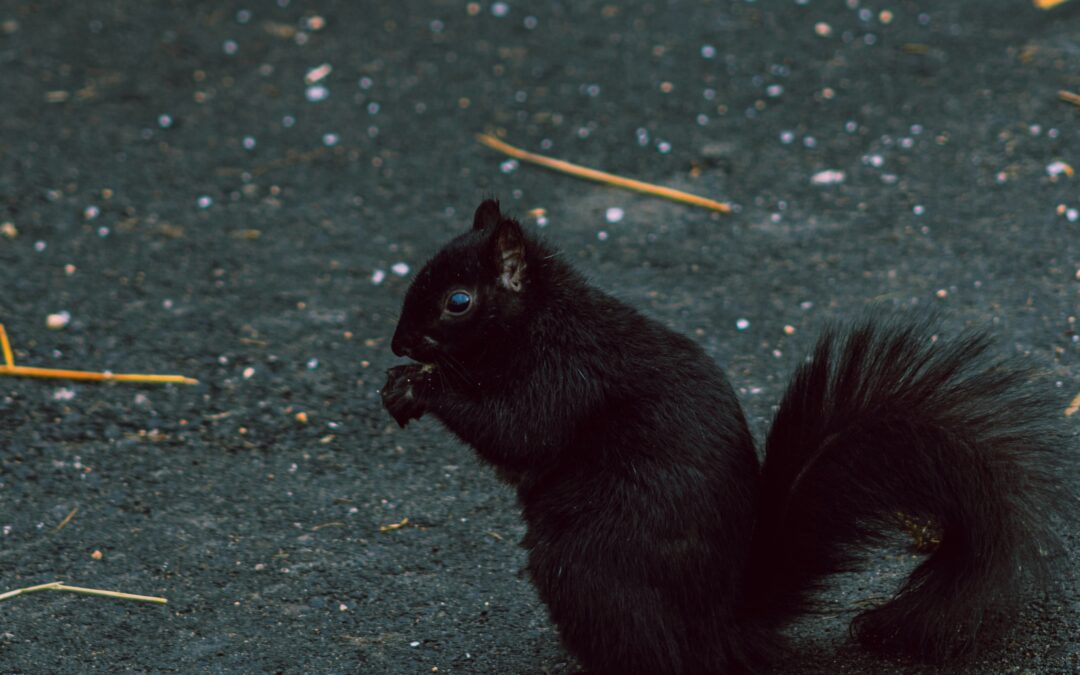
Squirrels are one of those animals you see so often that you might stop noticing them. They’re darting across parks, raiding bird feeders, or scampering up trees in forests. Whether you live in a bustling city or near quiet woods, squirrels are always around. Their ability to adapt makes them fascinating to watch and study. From my own personal experience, spotting squirrels in both city parks and rural landscapes feels like watching two completely different worlds of behavior, diet, and survival unfold.
In this post, let’s take a closer look at how squirrels live in urban spaces compared to wild environments. You’ll notice how their food choices, shelter, social behavior, and even survival instincts shift depending on where they are. This isn’t just about biology, it’s about how animals change when people reshape their surroundings.
Squirrels in Urban Environments: Masters of Adaptation
Urban squirrels are the definition of resourceful. Cities may lack sprawling forests, but they provide plenty of opportunities for these small mammals. Parks, gardens, college campuses, and even backyards create enough green patches for squirrels to thrive.
In cities, squirrels adjust their diet drastically. Instead of relying only on nuts, seeds, and acorns, they grab food scraps, raid trash cans, and even nibble on human snacks left behind. Their survival depends on quick thinking, fast reflexes, and being comfortable around people. In fact, squirrels in urban parks often show little fear of people, sometimes even approaching for food.
Shelter in cities is also different. While wild squirrels build nests in tall trees, urban squirrels often improvise. They squeeze into attics, nestle in chimneys, or hide in rooftops. Human-built structures provide warmth and protection, especially in colder months. This adaptability has made them some of the most common wildlife in cities across the world.
Squirrels in Wild Environments: Living Closer to Nature
Wild squirrels, on the other hand, live by older rules. Their survival depends heavily on the natural environment. They forage for nuts, seeds, fungi, and plants. Unlike city squirrels, they don’t get the luxury of leftover pizza crusts or bags of chips. Every calorie must be worked for.
Nesting is also different. In wild forests, squirrels build leafy nests called dreys in tall trees or use tree cavities. These spots keep them safe from predators like hawks, foxes, and snakes. Since wild squirrels don’t interact with humans daily, they remain cautious, quick to retreat at the first sign of movement.
What’s remarkable is their seasonal planning. Wild squirrels are famous for caching food. They bury acorns and nuts in scattered spots, remembering locations to dig them up later. This skill ensures survival through long winters when resources are scarce.
Food: Urban vs. Wild
Food highlights the biggest difference between urban and wild squirrels.
In cities, squirrels get a steady supply of food, often without much effort. People feed them directly, or they scavenge through garbage. Some even raid bird feeders for sunflower seeds. This easy access changes their diet, sometimes making them dependent on human activity. The downside is health. Human food isn’t ideal for squirrels. Processed foods can harm their digestion and shorten their lifespan.
In forests, squirrels eat what the land offers. Their diet is more natural and nutrient-rich, with nuts, berries, mushrooms, and fresh shoots. These foods keep them healthier, but the challenge is consistency. In years when acorns or nuts are scarce, wild squirrels must work harder and take greater risks to survive.
Shelter and Nesting Differences
Urban squirrels often use trees in city parks, but limited green spaces push them to explore manmade structures. Attics, rooftops, and abandoned buildings become shelters. While these places offer safety and warmth, they also bring squirrels into conflict with people, especially homeowners.
Wild squirrels build traditional dreys from twigs and leaves. These nests sit high up in trees, camouflaged from predators. Some even take over old woodpecker holes, turning them into secure homes. Their survival strategy depends more on natural cover and less on improvisation with human structures.
Behavior and Interaction with Humans
The most noticeable contrast is how urban and wild squirrels react to people.
In cities, squirrels often see people as food providers, not threats. They grow bolder, running across sidewalks or even taking food from a hand. This fearlessness is a learned behavior that comes from years of interaction with city dwellers.
In wild spaces, squirrels are cautious. They rarely linger in the open and vanish into trees when spotted. Their wariness helps them survive in areas where predators lurk. While city squirrels are social and interactive, wild squirrels remain solitary and distant.
Predators and Survival
City squirrels face different threats than wild squirrels. In urban areas, the biggest dangers are cars, domestic pets, and sometimes pest control. Natural predators like hawks are less common in cities, so survival often depends on avoiding manmade risks.
In forests, predators are everywhere. Hawks circle above, snakes climb trees, and foxes hunt on the ground. Wild squirrels rely heavily on their speed and agility to stay alive. Their survival is a constant balance of foraging while staying alert.
Reproduction and Raising Young
Urban squirrels often benefit from longer breeding seasons because of abundant food and milder city climates. This means they may raise more litters per year compared to wild squirrels. The abundance of food supports higher survival rates for their young.
In the wild, breeding cycles follow seasonal rhythms. Limited resources mean timing is critical. Females usually produce fewer litters, and only the strongest offspring survive harsh conditions. This natural limitation keeps wild squirrel populations balanced with their ecosystem.
Intelligence and Problem-Solving
Urban squirrels have developed sharper problem-solving skills. They figure out how to open bird feeders, navigate traffic-heavy streets, and exploit human spaces. Researchers have observed that urban squirrels are quick learners, often remembering complex routes to food sources.
Wild squirrels show intelligence too, but their focus is different. Their memory skills shine in food caching. Studies suggest they remember hundreds of hiding spots for acorns, retrieving them months later. This form of intelligence ensures survival in tough winters.
From My Own Personal Experience: A Tale of Two Worlds
From my own personal experience, the contrast between urban and wild squirrels feels striking. I’ve seen city squirrels dart fearlessly across crowded parks, begging for snacks, while wild squirrels in dense woods vanish at the slightest sound. Observing them side by side highlights how much environment shapes behavior. One thrives on human presence, while the other avoids it completely.
Conservation and Coexistence
Both urban and wild squirrels play an important role in ecosystems. In forests, squirrels help spread seeds by forgetting some of their buried acorns, which grow into trees. In cities, they provide a touch of nature in otherwise concrete-heavy spaces.
But coexistence has challenges. Urban squirrels sometimes become pests, chewing wires or nesting in homes. Balancing their presence with human needs requires awareness. Simple solutions, like squirrel-proofing feeders and sealing attic entrances, can reduce conflicts.
In wild environments, protecting forests ensures squirrels have the space and food they need. Deforestation and climate shifts threaten their survival, so conservation efforts matter.
The Bigger Picture: What Squirrels Teach Us
Squirrels show us how adaptable animals can be. In cities, they teach resilience and cleverness. In forests, they remind us of the balance in nature. Watching them adapt so differently in two environments makes you appreciate their role in both human-dominated spaces and untouched landscapes.
Wrap-Up: Two Environments, Two Stories
The life of a squirrel looks very different depending on whether it’s urban or wild. City squirrels live alongside people, depending on human food and shelter. Wild squirrels survive on natural resources, guided by instincts and caution. Both approaches show the remarkable ability of this species to adjust and thrive.
From my own personal experience, I’ve realized that paying attention to squirrels gives you a new perspective on how animals interact with their environments. They’re not just background wildlife, they’re storytellers of adaptation and survival.
So next time you see a squirrel darting across a park bench or leaping through forest branches, think about the hidden differences shaping its life. Whether urban or wild, squirrels are survivors with lessons worth noticing.