
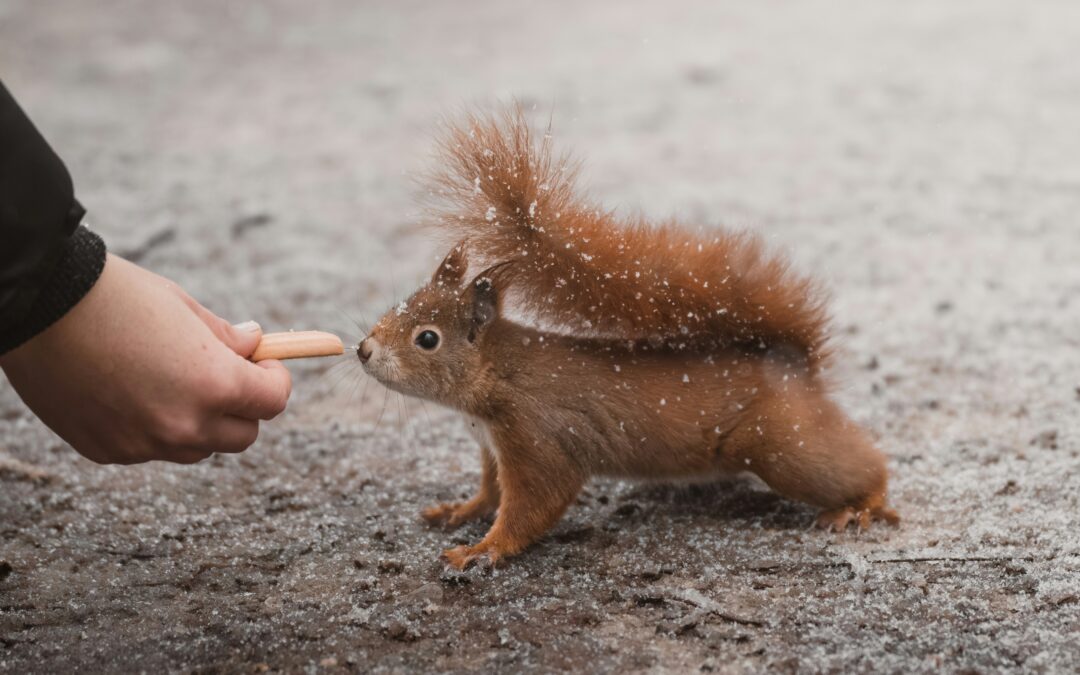
If you’ve ever walked through a park, backyard, or woodland in autumn, chances are you’ve spotted squirrels racing around with acorns clutched tightly in their little paws. The sight is so common that people often assume squirrels always eat acorns whole, cracking them down in a single go like a snack bar. But the truth is more layered. Acorns aren’t just food; they’re part of a survival plan, a nutritional strategy, and even an ecological process that helps forests grow.
From my own personal experience, I once sat on a bench under an oak tree and watched a squirrel spend nearly fifteen minutes working on a single acorn. Instead of swallowing it whole, the squirrel nibbled carefully, peeled off the outer shell, tasted the nut inside, and then darted off with half of it tucked in its mouth. That moment made me curious: do squirrels actually eat the whole acorn, or do they pick and choose? Let’s break it down in detail.
The Anatomy of an Acorn
Before you can understand how a squirrel eats an acorn, you need to know what’s inside. An acorn is the nut of the oak tree, and it comes in a hard outer shell with a seed inside. The seed itself has a kernel rich in starch, fats, and proteins, but it also contains tannins, natural chemicals that make the nut bitter.
The level of tannins varies depending on the type of oak tree. White oak acorns usually have fewer tannins and taste sweeter, while red oak acorns are packed with tannins, which make them taste bitter and harder to digest. Humans historically leached tannins out of acorns before eating them, but squirrels have their own system for dealing with them.
Do Squirrels Actually Eat the Whole Acorn?
The answer isn’t as straightforward as “yes” or “no.” It depends on the type of acorn, the squirrel species, and even the season. Sometimes squirrels eat the entire acorn, shell and all, especially if it comes from a low-tannin oak like the white oak. Other times, they strip away the shell and only nibble on the kernel. And in certain cases, they’ll take one bite, spit out the bitter piece, and move on to stash the rest underground.
The Selective Eating Habits of Squirrels
Squirrels are surprisingly picky eaters. Here’s how they usually handle acorns:
- Tasting Before Eating
A squirrel will often bite into an acorn just enough to taste it. If it finds the flavor too bitter (high tannin), it might discard it and look for another nut. - Eating White Oak Acorns Whole
White oak acorns, which are sweeter, are often eaten right away. Squirrels sometimes chew through both shell and kernel without hesitation. - Stashing Red Oak Acorns
Red oak acorns, with their high tannin levels, are usually buried instead of eaten immediately. The reason is clever: tannins break down over time in the soil, making the acorn less bitter when the squirrel digs it up later. - Leaving Shells Behind
When the shell is too tough or unpleasant, squirrels break it open and leave pieces scattered around. If you’ve ever found broken acorn shells under a tree, that’s a clear sign a squirrel had a meal there.
Why Squirrels Don’t Always Eat the Whole Acorn
You might wonder why a squirrel wouldn’t just chomp down the whole thing. There are a few reasons:
- Tough Shells: Some acorns have harder shells than others. Squirrels will break them apart but won’t always eat the shell itself.
- Tannins: As mentioned earlier, bitter-tasting acorns aren’t as appealing, so squirrels eat selectively.
- Nutritional Efficiency: Squirrels prioritize calories and nutrients. If a particular acorn requires too much effort for too little reward, they skip it.
- Storage Behavior: Acorns are valuable for winter survival. Instead of eating them whole right away, squirrels sometimes cache them for later use.
Seasonal Eating Patterns
Squirrels don’t eat acorns the same way year-round. In autumn, when acorns are abundant, squirrels are in hoarding mode. They’ll collect hundreds, sometimes thousands, of acorns and bury them in different spots, a behavior called scatter hoarding. During this time, they might taste-test an acorn and then decide to store it instead of eating it whole.
By winter, when food sources are scarce, squirrels return to their buried caches. At this point, the tannins in stored acorns have broken down a little, making them easier to eat. This is when squirrels are more likely to finish the entire nut.
Squirrel Species and Eating Styles
Not all squirrels approach acorns the same way. Tree squirrels, like gray squirrels and fox squirrels, are the ones you usually see burying and eating acorns. Ground squirrels, on the other hand, eat seeds and nuts but don’t rely on acorns as heavily. Flying squirrels are nocturnal and eat acorns too, but they often go for other food sources like fungi and insects.
Gray squirrels, in particular, are skilled at sorting acorns by tannin level. They tend to eat white oak acorns right away but bury red oak acorns for later. This sorting behavior actually helps oak forests regenerate, since many buried acorns are never recovered and grow into new trees.
Acorns and Survival Strategy
Acorns aren’t just snacks for squirrels, they’re part of a survival plan. Eating the whole acorn gives a squirrel immediate energy, but storing part of it or burying the entire nut ensures they’ll have food in the future. This balance between eating now and saving for later is what helps squirrels make it through harsh winters.
Interestingly, squirrels have a memory system that helps them relocate their caches. They use landmarks like rocks, trees, and even the scent of disturbed soil to find buried acorns months later. This memory, combined with selective eating, shows that squirrels aren’t just impulsive eaters but strategic planners.
The Ecological Impact
When squirrels don’t eat the whole acorn, they actually contribute to forest growth. The uneaten acorns left behind sprout into oak trees. This process, called seed dispersal, is one of the reasons oak forests thrive. In fact, some researchers argue that without squirrels, many oak forests wouldn’t regenerate as successfully.
So, in a way, squirrels’ selective eating habits and decision not to eat acorns whole are part of a larger natural cycle that benefits ecosystems.
Misconceptions About Squirrels and Acorns
There’s a common belief that squirrels always eat acorns whole. While they can and sometimes do, the reality is far more complex. Another myth is that squirrels remember the location of every single acorn they bury. Studies show they recover many but not all, which is why forgotten acorns sprout into trees.
People also sometimes think squirrels eat only acorns, but their diets are far more varied. They eat seeds, fruits, fungi, insects, and even bird eggs when other food sources are scarce. Acorns, however, remain a central part of their diet in oak-rich areas.
The Human Fascination with Squirrels and Acorns
Part of the charm of watching squirrels is their relationship with acorns. It’s a scene that connects people with nature, reminding us of cycles of preparation and survival. For many, spotting a squirrel nibbling an acorn is a sign of autumn.
Based on my overall experience observing squirrels in different parks, it’s clear that they rarely eat every acorn the same way. Sometimes they munch down the whole nut in seconds, while other times they test, stash, or discard it. This unpredictability is part of what makes them so fascinating to watch.
Conclusion
So, do squirrels eat the whole acorn? Sometimes yes, sometimes no. It depends on the acorn type, the season, and the squirrel’s own judgment. White oak acorns are often eaten whole, while red oak acorns are more likely to be stored for later. Tough shells, bitter tannins, and strategic planning all play a role in how a squirrel treats its acorn.
From my own personal experience, seeing squirrels in action taught me that their eating habits are not random but carefully thought out. They balance immediate hunger with future survival, and in doing so, they help forests continue to grow. So next time you see a squirrel with an acorn, remember that you’re not just watching a snack break, you’re witnessing a tiny but essential part of nature’s design.