
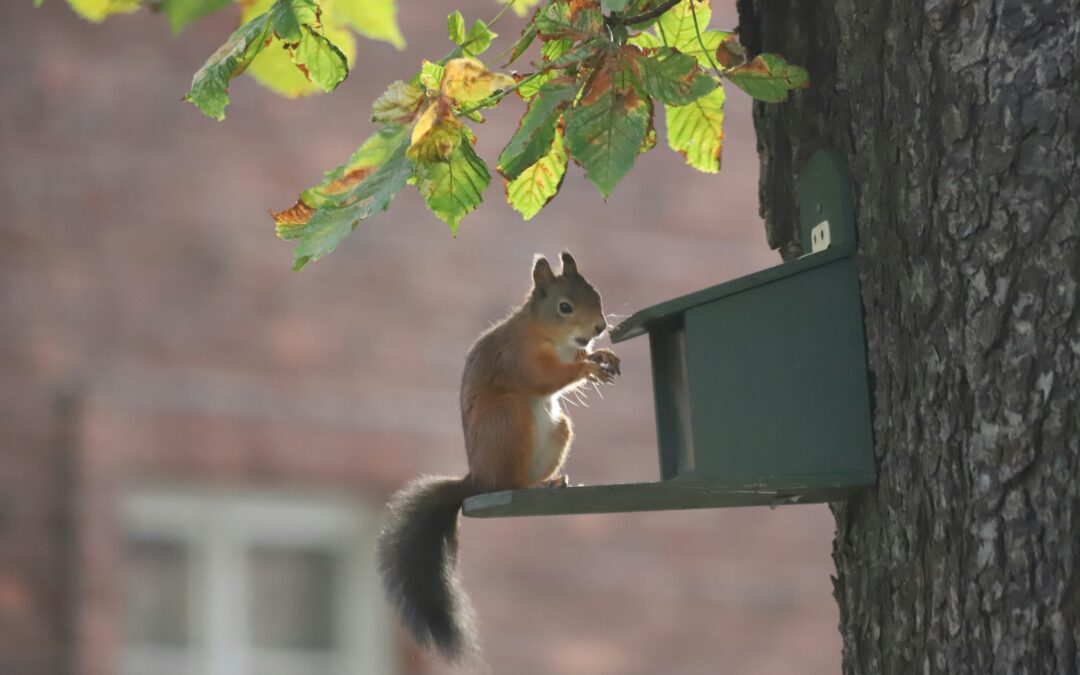
Squirrels are fascinating little creatures that live in neighborhoods, parks, and forests. They are agile, clever, and surprisingly resourceful. Yet, while many observe their playful antics and clever maneuvers, few stop to think about the less glamorous parts of their behavior, like where squirrels poop. Understanding this behavior can help manage wildlife in gardens, backyards, and urban areas. From my own personal experience, observing squirrels closely has taught me a lot about their habits, and it turns out, their bathroom habits are more structured than most people realize.
Squirrels and Their Habits
Squirrels are rodents, and like all rodents, they have a consistent need to relieve themselves. Their diet, which includes nuts, seeds, fruits, and sometimes small insects, affects the nature of their droppings. Squirrel poop is usually small, dark, and pellet-like, similar to that of a rabbit but smaller. The size and consistency depend on the food they eat.
Interestingly, squirrels are creatures of habit. They often follow the same routes, visit the same trees, and even have preferred spots for many activities. This includes using consistent areas to poop. Observing where squirrels go to the bathroom can tell a lot about their daily routines.
Common Places Where Squirrels Poop
1. Trees and Branches
Squirrels spend a lot of time in trees. They climb, jump, and run along branches, and their droppings often land directly on leaves, branches, or the trunk. If a tree in a backyard has frequent squirrel visitors, it is common to see tiny pellets scattered on the ground below.
Trees not only serve as pathways but also as food sources. When squirrels eat fruits or nuts in trees, they may poop immediately after feeding. From my own personal experience, observing a walnut tree in the fall showed that squirrels consistently used a few lower branches as their bathroom spots.
2. Ground and Lawn Areas
Squirrels are not strictly arboreal. They spend a lot of time on the ground searching for food. While foraging, they often relieve themselves on the ground, particularly in hidden or covered spots. Mulched garden beds, bushes, and areas with tall grass are common ground spots for squirrel droppings.
One of the reasons squirrels prefer hidden spots is protection. Their droppings can attract predators if left in exposed areas, so choosing a concealed ground area helps reduce risk.
3. Around Bird Feeders
Bird feeders are magnets for squirrels. While squirrels are clever at raiding bird feeders, they often leave behind droppings nearby. This is especially common if squirrels sit on branches or structures close to the feeder while eating.
If a bird feeder is in a yard, it is almost inevitable that small dark pellets will appear underneath. These droppings can indicate which squirrels are frequent visitors and even hint at their daily routines.
4. Attics and Roof Spaces
Squirrels can invade attics, roof spaces, and other indoor or semi-indoor areas. When they do, they usually leave droppings behind. Squirrel poop in attics is a serious issue because it can carry parasites, bacteria, and even fungi harmful to humans.
Droppings inside attics are typically dark, cylindrical, and sometimes slightly flattened. Their presence is usually accompanied by other signs, such as chewed wood, nesting material, and scratching noises. From my overall experience managing urban wildlife, attic droppings are a key sign that squirrels have taken up residence.
How Often Do Squirrels Poop?
Squirrels have fast metabolisms. They eat frequently and move constantly, which means they also need to poop often. A single squirrel may defecate multiple times an hour depending on its activity level and diet.
The diet has a major impact. High-fiber foods like nuts and seeds create more solid droppings, whereas fruits and berries can produce softer stools. Observing squirrels can show that their bathroom habits align with feeding times, right after meals, droppings appear in the chosen areas.
Why Understanding Squirrel Poop Matters
1. Garden Maintenance
Squirrel droppings can impact gardens. While they are not as damaging as rabbits or deer, their pellets can accumulate and affect soil quality, especially if squirrels frequent vegetable patches or flower beds. Knowing where squirrels poop allows for easier cleaning and helps prevent contamination of edible plants.
2. Pest and Disease Awareness
Squirrel poop can carry parasites such as fleas, ticks, and intestinal worms. It may also harbor bacteria like Salmonella. Identifying and managing droppings, especially indoors or near frequently used areas, is crucial for health safety.
3. Tracking Squirrel Activity
Droppings are useful for tracking squirrel activity. By noting where droppings appear, it is possible to map their movements, preferred food sources, and nesting areas. This can help in designing deterrents or managing wildlife interactions in a non-harmful way.
Identifying Squirrel Droppings
Squirrel poop is small, about 1/4 to 1/2 inch in length. The pellets are dark brown to black when fresh and may turn grayish as they dry. Unlike raccoon or rat droppings, squirrel pellets are uniform and cylindrical, sometimes slightly pointed at the ends.
Droppings may be scattered individually or appear in small clusters, depending on the squirrel’s recent activity and the surface they are on. In contrast, other rodents like mice leave much smaller droppings, and rabbits leave larger, rounder pellets. Learning the difference helps avoid confusion when managing wildlife around the home.
How to Safely Clean Squirrel Droppings
Safety is essential when dealing with squirrel droppings. Gloves, masks, and proper disposal methods are critical to avoid health risks. Spray droppings with disinfectant or a bleach solution before handling. Use disposable towels to pick up the pellets, and avoid sweeping or vacuuming dry droppings, which can release harmful particles into the air.
Outdoor droppings can be collected or composted safely if desired. In gardens, natural decomposition occurs quickly, especially in soil with high microbial activity. Still, regular cleanup helps maintain hygiene and prevents unwanted odor or attraction of other pests.
Squirrel Toilet Behavior: Is It Random or Organized?
Squirrels may appear random, but their bathroom behavior shows patterns. Some squirrels even develop “latrine areas,” where they consistently return. These are usually hidden spots on the ground or in tree crotches. Establishing latrine spots helps minimize risk from predators because the scent is concentrated rather than spread widely.
Young squirrels may not follow the same discipline and might poop wherever convenient, but adults show more predictable behavior. Observing their patterns over time gives insight into the species’ intelligence and adaptability.
Seasonal Changes in Squirrel Bathroom Habits
Squirrels’ bathroom habits can change with the seasons. In the fall, when food is abundant, droppings are frequent and concentrated near food sources. In winter, activity decreases, and droppings may be less frequent but more localized near nests. Spring and summer usually bring increased movement as squirrels search for mates and new territories, creating more visible droppings in varied locations.
Preventing Squirrel Poop in Unwanted Areas
If squirrel droppings become an issue, there are practical ways to discourage them:
Physical barriers: Mesh, netting, or squirrel-proof cages can keep squirrels away from gardens and bird feeders.
Repellents: Natural repellents like chili powder or predator urine can deter squirrels from certain areas.
Alternative food sources: Providing a designated feeding area away from sensitive spots may redirect squirrels and their droppings.
Habitat modification: Pruning trees and removing easy access to roofs or attics reduces indoor droppings.
Consistency is key. Squirrels are clever and persistent, but with repeated deterrents, they eventually adjust their routines.
Fun Facts About Squirrels’ Bathroom Habits
Some squirrels use their poop to mark territory, similar to other mammals using scent.
Squirrel droppings can act as a natural fertilizer, though in small amounts.
Observing droppings can help identify which species of squirrels are present. Eastern gray squirrels, fox squirrels, and red squirrels have slightly different habits and pellet characteristics.
Despite their small size, squirrels are meticulous in their routes, and poop locations reflect their careful daily planning.
Conclusion
Squirrels may be tiny, but their behavior, including where they poop, is fascinating and practical to observe. From trees to ground spots, bird feeders, and even attics, droppings tell a story about their movement, diet, and daily routines. From my own personal experience, paying attention to squirrel poop is an eye-opening way to understand and coexist with these agile creatures.
Cleaning, monitoring, and managing squirrel droppings protects health, gardens, and property while offering a window into the secret life of these energetic rodents. Next time a squirrel darts across a yard or climbs a tree, it’s worth remembering that its tiny, dark pellets leave a trail of insight into its hidden world.