
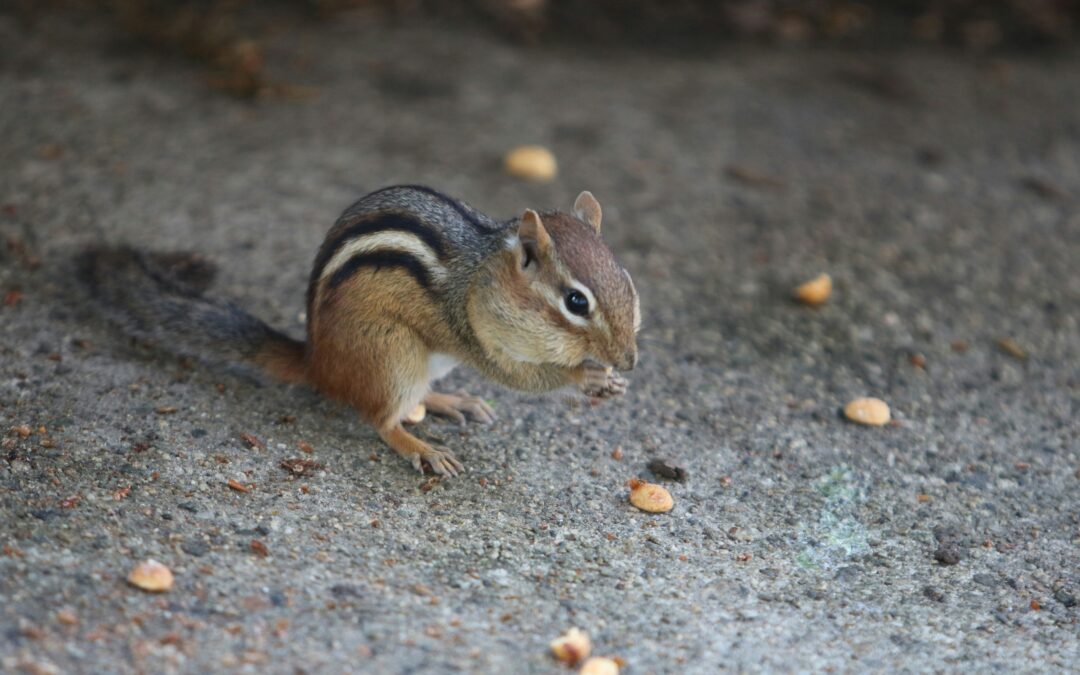
Squirrels are curious and clever creatures, but sometimes that curiosity gets them into serious trouble. One of the strangest situations that happens in homes is when a squirrel ends up stuck inside a wall. The scratching, rustling, and gnawing sounds drive people crazy, but behind those noises is a very real survival problem for the squirrel. So the big question is: how long can a squirrel live trapped in a wall?
Hearing a squirrel scratching behind drywall is both stressful and confusing. You worry about the animal, but you also worry about your home. The truth is, the survival time depends on several key factors like food access, water, air circulation, and the squirrel’s overall condition. In this post, we’ll go deep into what happens when a squirrel is stuck, how long it might live, and what you should know if this ever happens in your house.
Squirrels and Their Daily Needs
To understand how long a squirrel might last trapped in a wall, you need to know what they need to survive each day.
Squirrels are highly active animals. Their fast metabolism means they burn energy quickly and need to eat often. In the wild, they eat nuts, seeds, fruits, fungi, and even small insects. They also need fresh water, usually from puddles, streams, or dew on plants. Without food and water, their bodies break down energy reserves much faster than larger animals.
On average, a healthy adult squirrel eats around one pound of food a week. They don’t store much body fat compared to some other animals, so fasting hits them harder. While a squirrel can technically survive several days without food, going without water drastically cuts survival time. A few days without hydration can lead to weakness, confusion, and eventually death.
What Happens If a Squirrel Gets Stuck
When a squirrel falls into or squeezes into a wall cavity, panic sets in fast. The animal will scratch, chew, and climb, trying to escape. These actions make the loud noises people often hear at night or in the early morning. At first, the squirrel might still be strong, but as hours pass without food or water, energy starts dropping.
Walls are not natural spaces for squirrels. There’s no easy way to find food inside, and water is practically impossible to locate unless a pipe is leaking nearby. Unlike attics or basements where squirrels sometimes nest, walls are closed-off spaces. That means survival time is already limited the moment the squirrel gets trapped.
How Long Can They Live Without Food and Water?
If a squirrel has no food and no water, survival is short. Most healthy squirrels will last about 2 to 3 days without water before dehydration becomes fatal. Without food, they might stretch survival to about 5 to 8 days, but water is always the more urgent issue.
However, the exact survival time isn’t set in stone. It depends on several conditions:
- Temperature in the wall – If the wall is hot, the squirrel loses water faster. Dehydration speeds up. If it’s cooler, survival might stretch longer.
- Age and health of the squirrel – Young or injured squirrels can die more quickly, while a strong adult might hang on for a few more days.
- Airflow – If the wall space is sealed and airflow is poor, oxygen can become an issue. A squirrel might suffocate within hours in a very tight space. In a ventilated wall, oxygen isn’t the limiting factor—food and water are.
- Stress levels – Stress burns extra energy. A panicking squirrel trapped inside drywall uses up its limited reserves faster than one that stays still.
In most real-life cases, people report that squirrels stuck in walls stop making noise within 2 to 4 days, which matches the timeline of dehydration and exhaustion.
Signs That a Squirrel Is Stuck in Your Wall
Before jumping to conclusions, it’s important to recognize what you’re hearing. Not every sound inside walls is a squirrel. Sometimes it’s mice, rats, or even birds. Still, squirrels have distinct behaviors that help you identify them:
- Daytime noise – Squirrels are mostly active during the day, unlike rats or mice that scratch at night. If you hear scratching and gnawing in the morning or afternoon, it’s more likely a squirrel.
- Loud chewing – Squirrels have powerful teeth designed to chew through nuts. You may hear sharp, heavy gnawing on wood or drywall.
- Desperate scratching – If the animal is trapped, the scratching is fast, loud, and frantic as it searches for an escape.
- Fading noise over days – If the sound lessens or stops within a few days, it often means the squirrel has either escaped or died.
Risks of Leaving a Squirrel Trapped
Some people think the problem will just solve itself if the squirrel dies. While it’s true the noise stops, leaving a dead animal inside a wall creates new issues:
- Odor – A decomposing squirrel produces a strong, unpleasant smell that can last for weeks.
- Insects – Flies, beetles, and maggots are attracted to the carcass. This creates another infestation.
- Damage – If the squirrel chewed pipes, wires, or insulation before dying, repairs may be costly.
- Health risks – Squirrels carry parasites and bacteria. While direct transmission is rare, decomposing remains inside a home are unsanitary.
For these reasons, acting quickly is always better than waiting.
Humane Options to Free a Trapped Squirrel
If you discover a squirrel stuck in your wall, there are humane ways to help it without harming yourself or the animal. Based on my overall experience, the first step is to stay calm and figure out where the squirrel is. Once you have a general area, here are common solutions:
- Check for openings – Sometimes squirrels fall in from an attic or crawlspace. If you open that entry point, the squirrel may climb back out on its own.
- Create an escape route – In some cases, people cut a small hole in the drywall and place a box trap or open space so the squirrel can exit. This needs caution, since handling wild animals can be dangerous.
- Call wildlife rescue or pest control – Professionals have safe tools to free or trap the animal without injury.
- Avoid sealing exits too soon – If a squirrel got in through a roof gap or vent, don’t seal it immediately. The trapped animal will either die inside or cause further damage trying to escape.
Why Squirrels End Up in Walls in the First Place
Squirrels don’t purposely try to live inside walls. Usually, it’s an accident. They might:
- Chase each other during mating season and slip through cracks.
- Explore an attic and fall through a gap into the wall cavity.
- Mistake vents or chimneys for natural tree hollows.
- Get disoriented while looking for shelter from storms or predators.
Walls mimic tree cavities in some ways, which is why squirrels enter. But unlike trees, walls don’t have exits, making it a death trap if the squirrel can’t escape.
Preventing Future Incidents
After dealing with one squirrel, you definitely don’t want a repeat. Prevention saves both you and wildlife stress. Here’s how:
- Seal gaps around roofs, soffits, and vents with heavy-duty mesh.
- Keep tree branches trimmed back from your house to reduce easy access.
- Use chimney caps and vent covers to block entry points.
- Regularly check attics, crawlspaces, and garages for signs of animal activity.
From my own personal experience, a small opening near a roofline can be enough for squirrels to squeeze in. Once I sealed it with steel mesh, the problem stopped entirely. Prevention is always easier than removal.
The Bottom Line on Survival Time
So, how long can a squirrel live trapped in a wall? The realistic answer is:
- Without food and water: usually 2 to 4 days, sometimes up to a week if conditions are mild.
- With some water access (like a pipe leak): possibly up to 1 to 2 weeks.
- With full access to attic or insulation it can chew through: survival is longer, but that means damage to your home grows.
While survival time varies, the important takeaway is that a trapped squirrel suffers and will likely die quickly without help. Acting promptly not only spares the animal but also prevents odor, damage, and secondary infestations in your home.
Wrapping It Up
A squirrel trapped in a wall is a situation nobody expects but many homeowners face at least once. The scratching noises may first feel like a small annoyance, but behind those sounds is a living creature racing against time. Without food or water, most squirrels only last a few days before exhaustion and dehydration set in.
From my own personal experience, waiting it out is never the best option. Helping the squirrel escape or calling for professional help is the most humane and practical solution. Not only do you save the animal from suffering, but you also protect your home from the long-term problems of leaving a carcass inside your walls.
So if you ever hear scratching behind the drywall, don’t ignore it. Act quickly, stay safe, and remember that the sooner you deal with it, the better the outcome for everyone involved.