
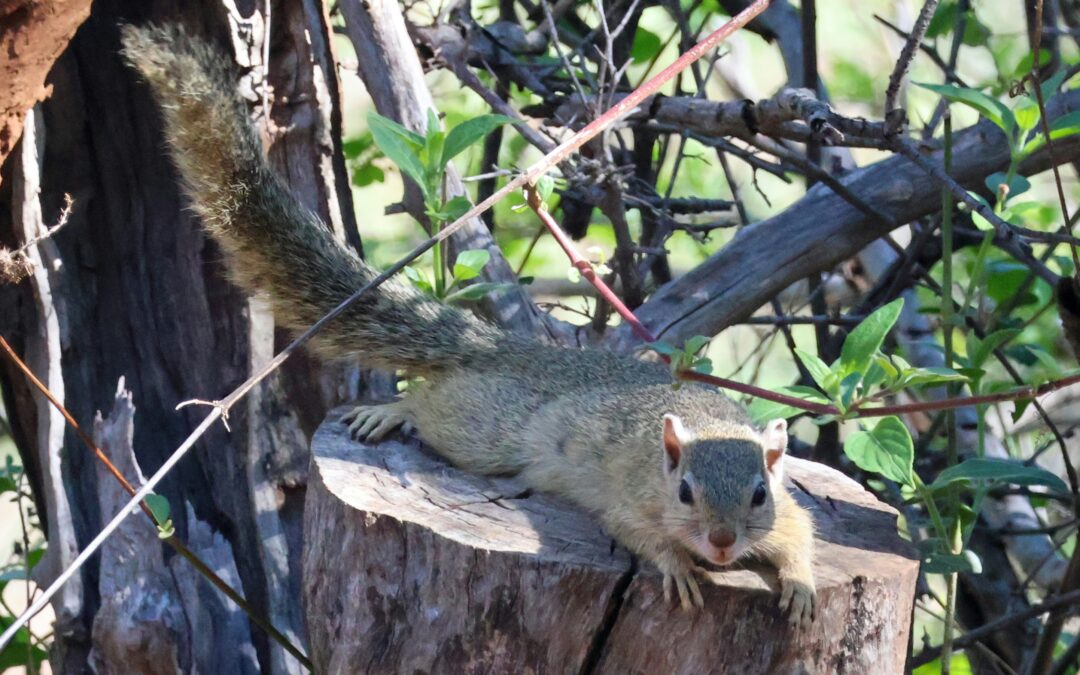
Squirrels might look cute when you spot them in a park, but they can quickly turn into a headache when they show up in your yard or garden. They dig through soil, chew on plants, strip bark, and raid bird feeders without hesitation. If you grow fruits, vegetables, or even flowers, you probably know how persistent they can be. Unlike some animals that get scared off easily, squirrels are clever, curious, and determined. That’s why so many people try different natural methods to keep them away instead of turning straight to harsh chemicals or traps.
One method that often pops up in discussions is using coffee grounds. The idea is simple: since coffee has a strong smell, maybe spreading the used grounds around plants or soil will stop squirrels from digging or chewing. But does it really work, and if so, how well? Let’s break it down carefully.
Why coffee grounds might repel squirrels
Coffee grounds have a strong scent that lingers even after brewing. To people, the smell is often pleasant. To animals like squirrels, though, it can be overwhelming. Their sense of smell is far more sensitive than ours. What seems like a mild aroma to you can be a powerful cloud of scent for them.
There are a few reasons why coffee grounds could make squirrels uncomfortable:
- Smell intensity – Squirrels rely heavily on scent to detect food and sense danger. Strong, lingering smells can confuse or repel them.
- Texture of grounds – Coffee grounds are rough and grainy. Some small animals dislike digging in soil that feels different under their paws.
- Bitter compounds – Even after brewing, coffee grounds still contain caffeine and other natural compounds. These can taste bitter or unpleasant to animals if they come into direct contact.
All of these factors together give coffee grounds potential as a deterrent, but the effectiveness depends on how and where they’re used.
How people usually apply coffee grounds
If you want to try using coffee grounds, the common methods are simple. Most people either sprinkle used grounds directly around plants, mix them lightly into the top layer of soil, or create small piles around areas squirrels target. Bird feeders, garden beds, and potted plants are the usual spots.
Freshly brewed coffee grounds are considered best since they still carry a strong aroma. If they sit for days and dry out, the smell weakens and the effect may fade. Some people even mix grounds with other strong scents like cayenne pepper, citrus peels, or vinegar to increase the chances of keeping squirrels away.
How well does it actually work?
Here’s the tricky part: coffee grounds don’t always work the same way for everyone. Some people swear they notice fewer squirrels in their yard after spreading grounds, while others report no difference at all.
From my own personal experience, I noticed that squirrels avoided one section of my garden for a week after I added a thick layer of used coffee grounds. But once rain washed away the smell, the squirrels returned. This showed me that coffee grounds can have a short-term effect, but they’re not a permanent solution.
The truth is, squirrels are adaptable. If they’re hungry enough, they’ll push past almost anything. Coffee grounds might bother them at first, but over time, they may ignore the smell if they know food is nearby. That’s why some people use coffee grounds as one part of a broader strategy instead of relying on them alone.
The role of rain, wind, and weather
One major downside of coffee grounds is that they don’t last long outdoors. Rain can wash them away quickly, and wind can scatter them across your yard. Even if they stay in place, the smell fades after a few days. To maintain the effect, you’d need to replace the grounds regularly, which can be time-consuming unless you already brew coffee daily.
In hot weather, the grounds may also dry out faster and lose their aroma. This means you’ll constantly need fresh grounds to keep the smell strong enough to bother squirrels.
Are coffee grounds safe to use in the garden?
If you’re thinking about trying coffee grounds, you’ll also want to know how they affect your plants and soil. Coffee grounds can actually be useful in moderation. They add organic material that improves soil texture, helps with drainage, and may provide a small boost of nitrogen.
But too much coffee can cause problems. Grounds are acidic, especially when fresh. If you pile them up heavily, they may lower soil pH, which can hurt plants that prefer neutral or alkaline soil. Grounds can also compact and form a dense layer that keeps water from penetrating, which is bad for plant roots.
That’s why it’s best to sprinkle thin layers rather than dumping huge piles. You can also mix grounds into compost to balance them with other organic materials before spreading them in the garden.
Do squirrels hate coffee specifically, or just strong smells?
It’s worth pointing out that squirrels don’t necessarily hate coffee itself. What they dislike is strong, unusual smells that overwhelm their natural scent-based navigation. Coffee just happens to be one of many smells that might put them off temporarily.
Other scents often used include:
- Cayenne or chili powder
- Peppermint oil
- Vinegar
- Garlic
- Predator urine (available as a garden product)
Each has mixed results, just like coffee grounds. Some people find them effective, others don’t. It all comes down to how determined the squirrels are and whether the smell is strong enough to mask the scent of food.
The bigger picture: squirrel behavior and food motivation
To understand why coffee grounds work only sometimes, it helps to look at squirrel behavior. Squirrels are opportunistic eaters. They don’t just rely on one type of food. If they see something edible, bird seed, nuts, vegetables, berries, they’ll go for it.
Their strong memory and problem-solving skills make them persistent. If they’ve eaten from your bird feeder or dug in your garden before, they’ll likely come back even if you add coffee grounds. The smell might slow them down or make them cautious, but hunger often wins.
This is why coffee grounds should be seen as a mild deterrent rather than a guaranteed fix.
Combining coffee grounds with other methods
If you want better results, you’ll probably need to combine coffee grounds with other strategies. Some popular options include:
- Using squirrel-proof bird feeders with weight-sensitive perches.
- Covering plants with netting or mesh.
- Installing motion-activated sprinklers to scare squirrels away.
- Planting flowers like daffodils or alliums that squirrels dislike.
Coffee grounds can be part of this mix, especially if you like the idea of recycling them instead of throwing them away. They add one more layer of defense, even if temporary.
Long-term vs short-term thinking
If you’re looking for a quick, eco-friendly solution, coffee grounds are worth trying. They won’t harm the environment, and they may discourage squirrels for a short time. But if you want long-term protection, you’ll need a plan that combines physical barriers, smart planting, and regular deterrents.
The key is understanding that no single method works 100% of the time. Squirrels are too adaptable. But small steps together can make your yard less inviting over time.
A word about pets and safety
Another thing to consider is pets. Coffee grounds contain caffeine, and caffeine can be toxic to dogs and cats if eaten in large amounts. While most pets probably won’t eat plain grounds, curious animals might sniff or lick them. If you spread coffee grounds, make sure pets don’t have direct access.
Final thoughts
So, do coffee grounds keep squirrels away? The answer is: sometimes, but not always. They can create a strong smell and unpleasant texture that bothers squirrels in the short term. But the effect fades quickly, especially after rain, and determined squirrels may ignore it altogether.
If you already drink coffee, it’s worth saving your used grounds and experimenting in your garden. Even if they don’t stop squirrels completely, they can improve soil health when used in moderation. Just don’t rely on them as your only line of defense.
Based on my overall experience, coffee grounds are best used as part of a layered approach to squirrel control. Think of them as one tool in the toolbox rather than the ultimate solution. Combine them with physical barriers, strategic planting, and other natural repellents for better results.
In the end, you’ll probably find that a mix of strategies keeps your garden safe while also making good use of something you’d normally throw away. And if nothing else, experimenting with coffee grounds can give you a low-cost, eco-friendly starting point before exploring stronger methods.