
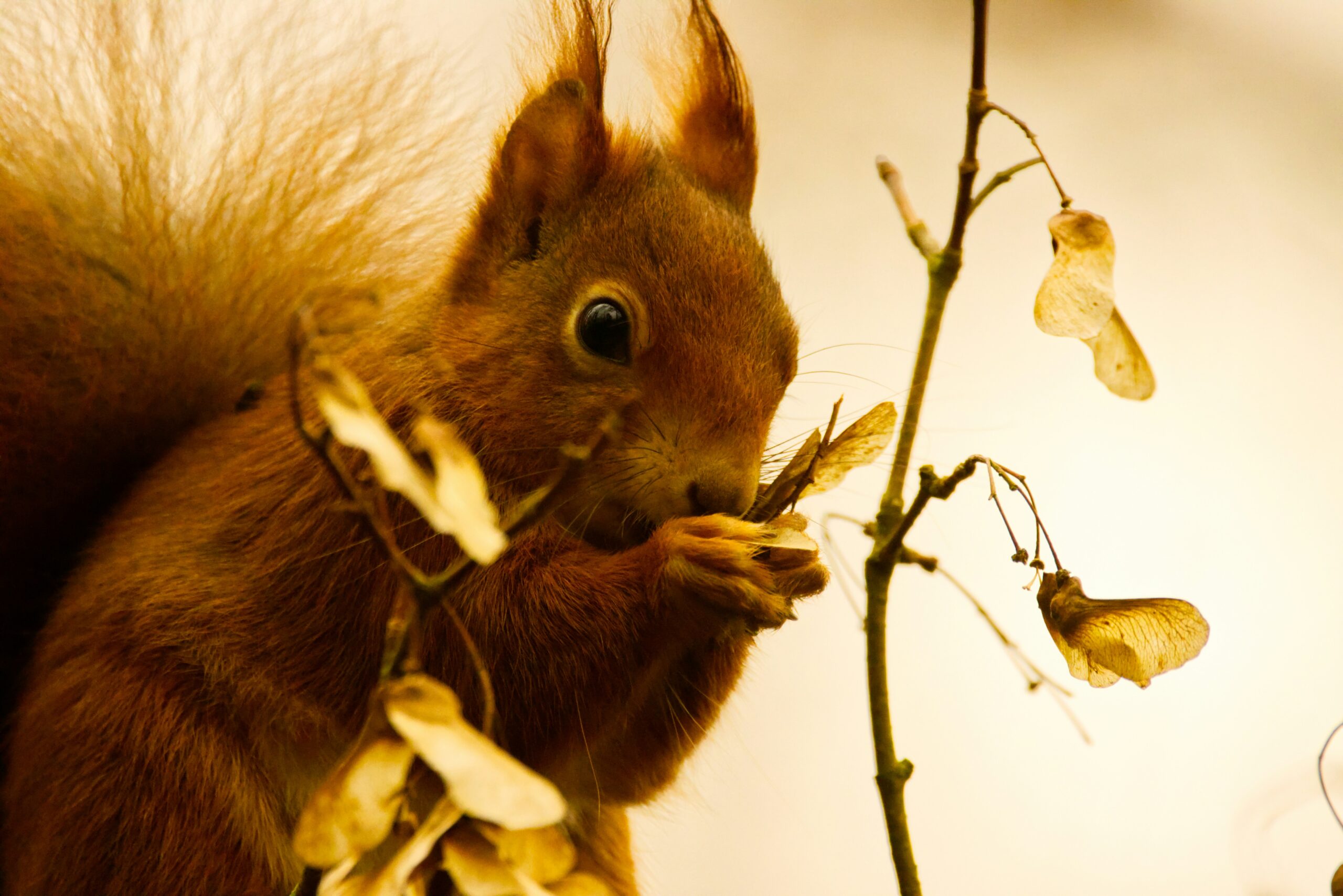
Peach trees are a backyard treasure. They bring vibrant blooms in spring and sweet, juicy fruit in summer. But anyone who grows them knows that squirrels can quickly turn this joy into frustration. These furry little marauders are clever, fast, and determined. Left unchecked, squirrels can chew through fruit, damage branches, and even strip bark from the tree, putting the entire harvest at risk. Protecting a peach tree from squirrels requires a mix of strategy, patience, and creativity.
From my own personal experience, squirrels are not easily scared. They’re curious, persistent, and capable of outsmarting many common deterrents. But with a proactive approach, it’s entirely possible to reduce their impact and enjoy a plentiful harvest. Here’s a comprehensive guide on how to safeguard a peach tree from these little invaders.
Let’s Understand the Problem Here
Before diving into solutions, it’s important to understand why squirrels target peach trees. Squirrels are attracted to:
Sweet, ripe fruit: Peaches are soft, juicy, and easy for squirrels to eat.
Tree structure: Branches provide easy access to fruits and nests.
Shelter: Trees offer a safe spot to hide from predators while feasting.
Squirrels have strong teeth, excellent climbing skills, and keen problem-solving abilities. They can jump from neighboring trees, chew through netting or thin plastic, and even work around simple deterrents. Understanding their habits helps in creating an effective protection plan.
Physical Barriers: The First Line of Defense
Physical barriers are the most reliable way to prevent squirrels from reaching your peach tree. While they require some effort and maintenance, they significantly reduce fruit loss.
1. Netting
Tree netting is a classic solution. Here’s how to do it effectively:
Choose the right material: Use bird netting with small holes (½ inch or smaller). Avoid flimsy plastic that squirrels can tear.
Cover the entire tree: Don’t just drape the netting over the top; wrap it around the sides and secure it at the base.
Secure the bottom: Place stakes or heavy rocks around the trunk to prevent squirrels from crawling underneath.
Netting works best when applied before the fruit starts ripening. From my own personal experience, squirrels may try to test the barrier initially, but consistent coverage usually keeps them out.
2. Tree Guards
Tree guards are designed to prevent squirrels from climbing up the trunk. You can use:
Metal or plastic sleeves: Wrap them around the trunk about 2–3 feet high. Ensure it’s snug but not tight enough to damage the bark.
DIY baffles: Place a smooth, round object like a metal can or plastic sheet around the trunk. The slippery surface prevents climbing.
Keep in mind that squirrels are determined and may try to jump from nearby branches. Removing low-hanging limbs within 6–8 feet of the ground helps reduce access points.
Repellents: Adding a Scent or Taste Barrier
Repellents can be used alongside physical barriers for added protection. While results vary, they may deter squirrels if applied correctly.
1. Taste Deterrents
Some sprays make fruit or leaves taste unpleasant. Look for:
- Capsaicin-based sprays: These contain chili pepper extracts and create a spicy taste.
- Commercial squirrel repellents: Available in garden centers; follow the instructions for safe application on edible plants.
Reapply after rain or heavy watering, as effectiveness fades. From my overall experience, taste deterrents alone rarely stop squirrels completely, but they can reduce the frequency of attacks when combined with other methods.
2. Scent Repellents
Squirrels dislike strong smells such as:
- Garlic: Crush cloves and sprinkle around the base of the tree.
- Peppermint oil: Mix with water and spray the trunk and lower branches.
- Predator scents: Some gardeners use fox or coyote urine, available online, to suggest danger.
These scents work best in combination with physical barriers. They are more of a psychological deterrent than a foolproof solution.
Habitat Management: Make the Tree Less Attractive
Squirrels are drawn to areas with food and shelter. Adjusting the surrounding environment can reduce their interest in the peach tree.
Clean fallen fruit: Remove dropped peaches promptly to avoid attracting squirrels.
Trim nearby trees and shrubs: This reduces jumping paths and cover that squirrels use to approach the tree.
Avoid feeding squirrels: Feeding nearby can make them bold and persistent.
From my own personal experience, consistent habitat management is just as important as barriers. Squirrels are less likely to linger in areas with limited food and hiding spots.
Scare Tactics: Temporary Solutions
Scare tactics can work in the short term but often require rotation to remain effective.
Noise deterrents: Motion-activated devices or wind chimes can startle squirrels.
Reflective objects: Hanging aluminum foil strips, old CDs, or reflective tape can create movement and light flashes that deter them.
Predator decoys: Owls or snakes can discourage squirrels if moved periodically to avoid familiarity.
These methods are generally temporary. Squirrels quickly adapt, so combining scare tactics with netting or tree guards is essential.
Harvesting Strategies: Stay Ahead of Squirrels
Even with protection, some squirrels may reach the fruit. Adjusting harvest practices can reduce loss:
Pick early: Harvest peaches slightly before they’re fully ripe. They will continue to ripen off the tree and are less likely to be stolen.
Frequent checks: Inspect trees every couple of days during peak ripening to remove fallen fruit.
Use traps as a last resort: Live traps can remove persistent squirrels, but check local regulations before using them.
From my overall experience, timely harvesting and monitoring are key to protecting the bulk of the crop.
Advanced Options for Persistent Problems
For gardeners dealing with determined squirrels, additional measures may help:
Fencing around the tree: Small enclosures using mesh fencing at least 3–4 feet high can prevent access.
Combining deterrents: Netting, taste repellents, and habitat management together create a multi-layered defense.
Pruning for accessibility: Removing branches that connect to other trees or structures limits jumping paths.
Each garden is different, and trial and error may be necessary. Observing squirrel behavior helps refine strategies over time.
Final Thoughts
Protecting a peach tree from squirrels is not a one-time effort; it’s an ongoing process. From my own personal experience, combining multiple strategies works best. Physical barriers like netting and tree guards offer the most reliable protection, while repellents, habitat management, and scare tactics add layers of defense. Regular monitoring, prompt harvesting, and adjustments based on squirrel behavior make it possible to enjoy peaches without constant frustration.
With patience and persistence, squirrels can be managed effectively, allowing the sweet reward of homegrown peaches. Even when squirrels are clever, a thoughtful, multi-layered approach ensures a thriving tree and abundant harvest season after season.