
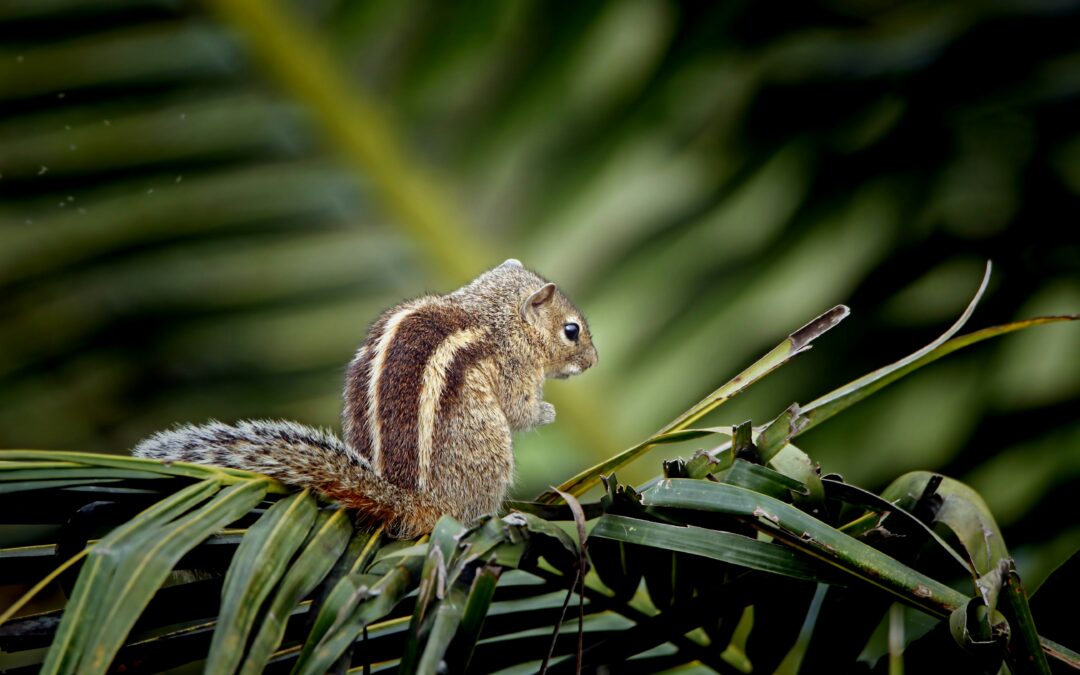
Squirrels might look cute when they scamper around trees or nibble on acorns, but when they start invading your yard, they can quickly become a nuisance. They dig up flower beds, chew on garden structures, and steal birdseed, leaving a trail of chaos behind. If you’ve been wondering how to stop these little critters from turning your yard into their playground, you’re in the right place. From my own personal experience, once squirrels find a steady source of food or shelter in your yard, they can be incredibly persistent. Thankfully, there are several practical ways to discourage them without causing harm.
Let’s Understand Squirrel Behavior first
Before trying to deter squirrels, it helps to understand why they come to your yard in the first place. Squirrels are naturally attracted to food, shelter, and safe places to hide. They are opportunistic, meaning they will take advantage of whatever resources are available. Bird feeders, fruit trees, vegetable gardens, and even pet food left outside can become irresistible.
Squirrels also need places to nest, and dense shrubs, piles of leaves, or hollow trees provide perfect shelters. Knowing this helps you identify which parts of your yard may be appealing to them and how to make them less so.
Remove Food Sources
One of the simplest and most effective ways to deter squirrels is to remove the things that attract them. Bird feeders, in particular, are magnets for squirrels. If feeding birds is important, consider squirrel-proof feeders that use weight-sensitive mechanisms or cages that only allow small birds through.
Fruit and nut trees can also draw squirrels. Picking fallen fruit promptly and using netting over smaller trees or shrubs can limit their access. Keep compost bins sealed, and avoid leaving pet food or scraps outdoors overnight.
Use Natural Repellents
Several natural substances can discourage squirrels without harming them. Squirrels dislike the smell of certain plants and spices. Sprinkling cayenne pepper, chili powder, or garlic around gardens and flower beds can create an unappealing environment.
Planting deterrent plants is another option. Plants like daffodils, alliums, and fritillaries are generally avoided by squirrels due to their taste or smell. Combining these plants with other deterrent methods strengthens the effect.
Install Physical Barriers
Creating physical barriers is one of the most reliable ways to keep squirrels out. Fencing around garden beds, trees, or entire yards can prevent entry. Hardware cloth or wire mesh can protect plants from digging, while metal collars around fruit trees make climbing difficult.
If squirrels are accessing your home or structures, inspect for entry points. Seal gaps, cover vents, and repair holes where squirrels could enter. Using mesh or steel wool can block smaller openings effectively.
Employ Motion-Activated Devices
Squirrels are wary of sudden movement and noise. Motion-activated sprinklers or lights can startle them and discourage repeated visits. These devices spray water or flash light when movement is detected, making your yard less attractive.
Keep in mind that squirrels may become accustomed to a single tactic over time. Rotating devices or combining them with other deterrents keeps them guessing and increases effectiveness.
Use Humane Traps
Humane traps can be used if squirrels have already settled in your yard. These traps catch squirrels without harming them, allowing you to relocate them to a safe area far from your property. Check local regulations before relocating wildlife, as some areas have specific rules about releasing trapped animals.
Baiting the traps with nuts, seeds, or dried fruit works well. Once captured, cover the trap with a cloth to calm the squirrel before moving it. Avoid releasing squirrels too close to other people’s properties to prevent conflicts.
Protect Bird Feeders
Bird feeders are often the first place squirrels raid. Simple adjustments can keep them squirrel-free. Place feeders on poles with baffles that prevent climbing. Hanging feeders with thin, slippery wires or chains can also stop squirrels from reaching the food.
Some feeders are designed to close off access when a heavier animal, like a squirrel, lands on them. These are a long-term investment but significantly reduce squirrel visits.
Maintain a Tidy Yard
A cluttered yard provides hiding spots and nesting materials for squirrels. Removing piles of leaves, wood, or debris reduces shelter options. Regularly trimming trees and shrubs also limits the pathways squirrels use to access your yard.
Pruning tree branches that hang over your roof or fences can prevent squirrels from entering structures. Keeping grass and garden beds well-maintained adds to a less inviting environment.
Consider Companion Animals
Pets like dogs and cats can naturally deter squirrels. Their presence alone often discourages these small intruders. Dogs that patrol the yard or even just make noise when squirrels are nearby can reduce visits.
Cats, known for their hunting instincts, may also chase squirrels away. However, this method is more indirect and depends on the individual animal’s behavior.
Scent-Based Deterrents
Squirrels rely heavily on smell. Certain predator scents, like fox or coyote urine, can make squirrels feel unsafe. These scents are available commercially and can be sprayed around the perimeter of your yard.
Other common household items like ammonia or vinegar-soaked rags may also help. Place them strategically where squirrels frequent. Be cautious with strong scents near areas where children or pets play.
Noise and Visual Deterrents
Squirrels are sensitive to both sound and visual disturbances. Wind chimes, reflective tape, or moving garden ornaments can startle them. Even hanging old CDs or metallic ribbons from trees or structures creates a flashing effect that squirrels dislike.
Rotating these items or combining them with other deterrents keeps the squirrels from becoming used to them. Randomized disturbances are more effective than a consistent pattern.
Combining Strategies for Best Results
No single method works for every yard. Squirrels are clever and adaptable, so combining multiple strategies is key. For example, removing food sources while using physical barriers and motion-activated devices increases your chances of success.
Persistence is important. Squirrels are patient and can test boundaries repeatedly. Consistent application of deterrents, along with monitoring and adjustments, helps maintain a squirrel-free yard.
Long-Term Maintenance
Even after deterring squirrels, ongoing maintenance is necessary. Check fences, feeders, and barriers regularly. Replace worn baffles or netting, reapply repellents, and keep the yard tidy.
Understanding that squirrels are persistent helps set realistic expectations. With a combination of physical, sensory, and behavioral deterrents, it is possible to enjoy a yard without constant squirrel interference.
Final Thoughts
Squirrels are fascinating creatures, but when they turn a yard into a playground, it can become frustrating. By understanding their behavior, removing attractions, using humane deterrents, and maintaining your yard, you can minimize visits without causing harm.
From my own personal experience, success comes from combining methods rather than relying on a single solution. Squirrels are clever, and a layered approach ensures they find your yard less appealing. With patience and consistency, it’s possible to reclaim your outdoor space while coexisting with wildlife responsibly.