
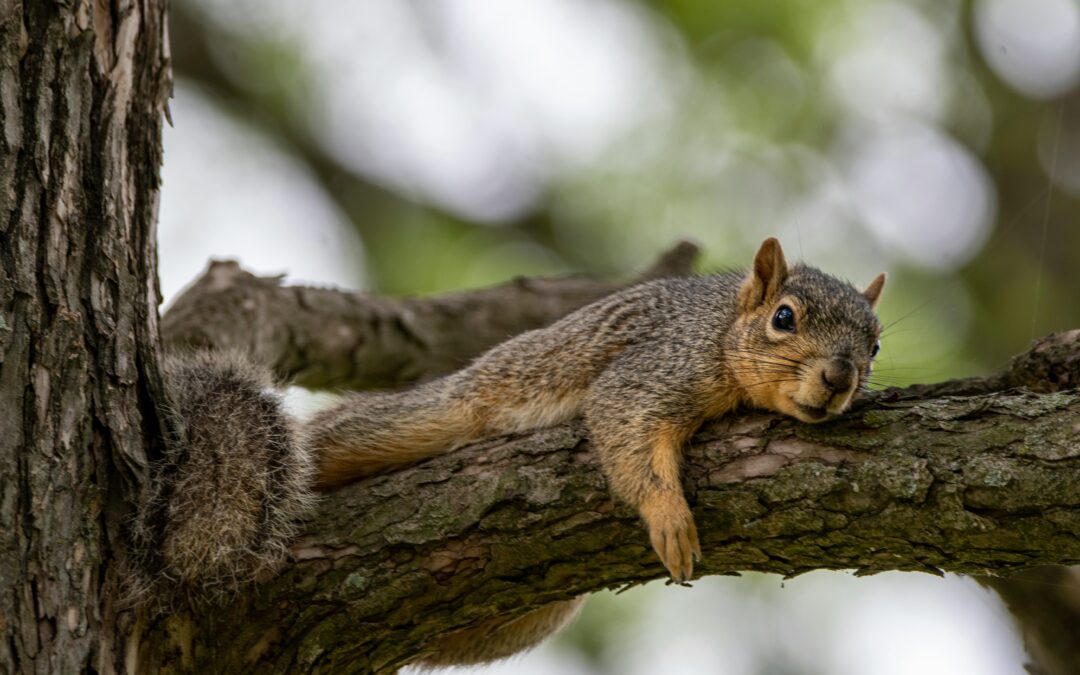
Squirrels are fascinating little creatures that many find charming in backyards and parks. Watching them scamper across tree branches, chase each other, or dig around for hidden food can be endlessly entertaining. One common question that arises among wildlife enthusiasts, pet owners, and even casual backyard observers is: can squirrels safely eat roasted peanuts? From my own personal experience, feeding squirrels can be a delightful activity, but it comes with some important considerations that many people overlook.
Let’s Understand Squirrels’ Natural Diet Here
Squirrels are primarily herbivores, though they are technically omnivorous because they sometimes eat small insects or bird eggs when food is scarce. Their diet in the wild mainly consists of:
- Nuts (like acorns, walnuts, and hazelnuts)
- Seeds
- Fruits
- Vegetables
- Fungi
This diet is high in fats, proteins, and complex carbohydrates, which help squirrels maintain their energy levels for climbing, digging, and staying warm during colder months. Unlike humans, squirrels have not evolved to consume processed or heavily salted foods, which is an important factor to consider when offering peanuts.
Roasted Peanuts vs. Raw Peanuts
When people feed squirrels, peanuts are a common choice. However, there’s a difference between raw and roasted peanuts that matters:
Raw Peanuts: These are natural and contain the nutrients squirrels need. They are free from salt, oils, and additives, making them a safer choice for occasional feeding.
Roasted Peanuts: These can be either dry-roasted or oil-roasted, sometimes salted. Salted peanuts or those roasted with oils can be harmful to squirrels if eaten regularly. High salt intake can lead to dehydration or kidney problems in these small animals.
Based on my overall experience with backyard wildlife, squirrels can tolerate small amounts of plain, dry-roasted peanuts, but it’s not ideal as a regular part of their diet. Moderation is key.
Are Roasted Peanuts Safe for Squirrels?
Yes, but with important caveats. Unsalted, dry-roasted peanuts are generally safe in small quantities. They provide fat and protein, which can be especially beneficial during colder months when squirrels need more calories. However:
Salted or Flavored Peanuts: These should never be given to squirrels. Even a small amount of salt can be harmful to their kidneys.
Oil-Roasted Peanuts: Oils can upset a squirrel’s digestive system and lead to obesity if fed in excess.
Shell Considerations: Peanuts in their shells are best for squirrels. Squirrels enjoy cracking the shells themselves, which keeps them mentally stimulated and mimics natural foraging behavior. Pre-shelled peanuts might be convenient for humans but remove part of the enrichment.
Feeding squirrels a varied diet is important. Roasted peanuts can be an occasional treat, but they shouldn’t replace natural foods like acorns, seeds, fruits, and vegetables. Overfeeding any single food item, even if safe, can cause nutritional imbalances.
How to Feed Squirrels Safely
From my own personal experience, there are strategies that make feeding squirrels both safe and enjoyable:
Offer in Small Quantities: Only provide a handful of peanuts at a time to prevent overeating.
Stick to Natural Varieties: Unsalted, plain peanuts are ideal. Avoid honey-roasted, chocolate-coated, or other flavored varieties.
Provide Variety: Mix in other natural foods like sunflower seeds, chopped apples, or small pieces of carrot to ensure a balanced diet.
Use Proper Feeding Areas: Place peanuts on a flat surface or a squirrel feeder. Avoid feeding on busy pathways to reduce the risk of traffic accidents or attracting predators.
Avoid Human Habits: Never hand-feed wild squirrels. This can make them dependent on humans, which is harmful in the long term.
Potential Risks of Roasted Peanuts
While roasted peanuts are not immediately toxic, there are risks associated with frequent feeding:
Digestive Problems: Too many peanuts can cause diarrhea or upset stomachs in squirrels.
Obesity: Squirrels are naturally active, but excessive calorie intake from fatty foods like peanuts can lead to obesity.
Behavioral Changes: Regular feeding of humans’ food may make squirrels aggressive or overly dependent on human-provided food.
Mycotoxin Contamination: Peanuts are prone to mold, especially aflatoxins, which can be deadly. Always check peanuts for freshness before feeding.
Signs a Squirrel Is Overeating Peanuts
From my own personal experience, it’s possible to spot when squirrels are overindulging:
- Lethargy or slower movements
- Loose stools or diarrhea
- Constantly hanging around feeding spots, waiting for more food
- Aggressive behavior toward other squirrels
If these signs appear, it’s a signal to reduce or temporarily stop feeding peanuts.
Fun Facts About Squirrels and Peanuts
Squirrels are excellent at hoarding food. A single squirrel can bury hundreds of peanuts in one season.
They have strong teeth that grow continuously, which is why cracking peanut shells is great for dental health.
Squirrels can remember hundreds of hiding spots for their food caches. This natural behavior is both fun to watch and essential for survival in the wild.
Conclusion
So, can squirrels eat roasted peanuts? The answer is yes, but only if certain guidelines are followed. Unsalted, dry-roasted peanuts in small quantities are safe and can be an enjoyable treat. However, roasted peanuts should never replace a squirrel’s natural diet, and salted or flavored varieties should be strictly avoided.
From my own personal experience, feeding squirrels in moderation and with variety provides a fun way to observe these clever creatures while keeping them healthy. By offering peanuts responsibly, backyard observers can enjoy the playful antics of squirrels without compromising their wellbeing.