
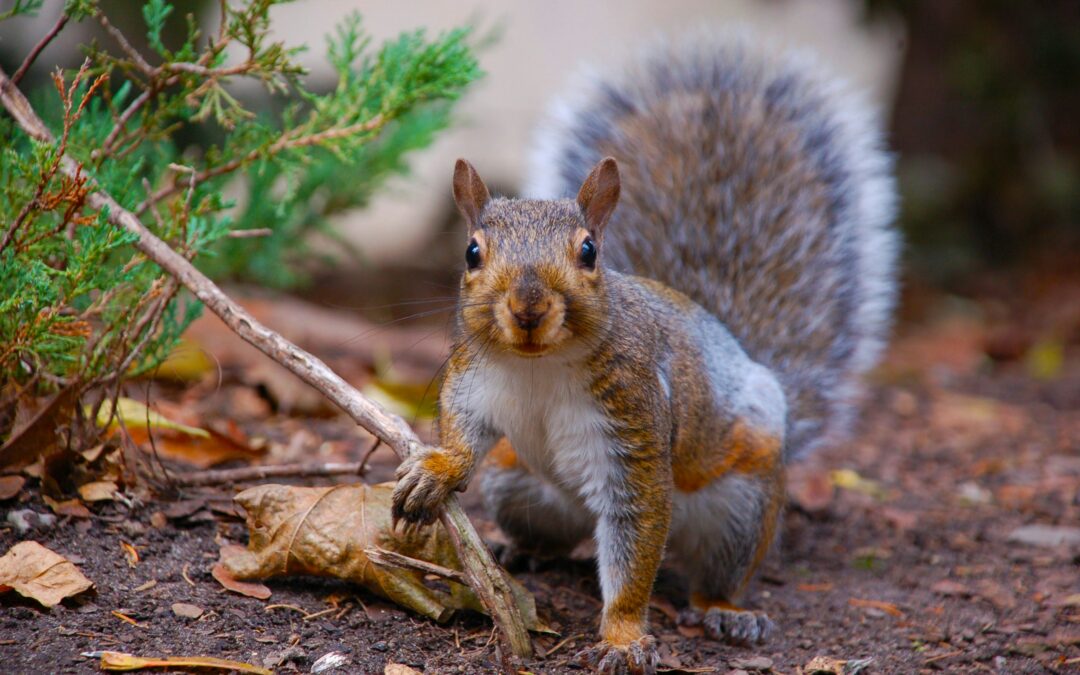
If you’ve ever placed a bird feeder on a shepherd’s pole, you already know the struggle: squirrels treat it like an open buffet. They climb, leap, and even dangle upside down just to raid the seeds. You might laugh the first time you see it, but after a while, it becomes frustrating. You buy food for the birds, but squirrels take over like they own the place. From my own personal experience, nothing tests your patience in the garden quite like a squirrel that won’t give up.
The good news? You can outsmart them. Squirrels are clever, but they also have patterns. They rely on jumping, climbing, and sneaky detours to reach feeders. Once you understand how they think and move, you can block their routes and keep your shepherd’s pole squirrel-free. This post will break down every method you can try, from quick fixes to long-term strategies, all in detail.
Why Squirrels Love Your Shepherd’s Pole
Before diving into solutions, it helps to understand why squirrels put in so much effort to raid bird feeders. Birdseed is easy food. It’s packed with energy, and unlike nuts or acorns that they have to crack open, feeders give them instant access. Squirrels are also creatures of habit. Once they find a reliable food source, they’ll return daily and even teach other squirrels where it is.
Your shepherd’s pole is basically a tree substitute for them. It’s vertical, has enough grip for claws, and often sits close to branches, fences, or decks that help them launch onto it. Unless you make the pole less climbable or harder to reach, squirrels will see it as a challenge worth taking.
The Importance of Placement
The first thing to check is where your shepherd’s pole stands. Many people set it up right next to a tree or fence because it looks nice or feels convenient. To a squirrel, that’s the perfect launching pad. Squirrels can leap over 8 to 10 feet horizontally and about 5 feet vertically. If your feeder is within that range, squirrels won’t even need to climb the pole. They’ll just jump directly onto the feeder.
The safest placement is in the open. Keep the shepherd’s pole at least 10 feet away from trees, fences, rooftops, or decks. It might look a little isolated at first, but once the birds start using it, the open space won’t matter. What will matter is that squirrels no longer have an easy runway to reach the feeder.
Use Baffles for Classic Solution
Baffles are shields you attach to poles that stop squirrels from climbing. They come in two common shapes:
- Cone-shaped baffles that point downward like an umbrella.
- Cylinder or tube baffles that wrap around the pole.
The idea is simple: squirrels climb up, meet the baffle, and can’t get past it. To make them effective, though, you need to position them correctly. Place the baffle about 4 to 5 feet above the ground. If it’s lower, squirrels may jump over it. If it’s higher, they might climb too far before hitting it.
The material also matters. Smooth metal or plastic works best because squirrels can’t get traction. If you buy one made of cheap plastic, squirrels might chew through it. A sturdy metal baffle is usually worth the investment if you’re serious about keeping them off.
Grease, Oils, and Other Slippery Tricks
Some people try coating their shepherd’s pole with grease, petroleum jelly, or even cooking oil. The logic is simple: make the pole slippery so squirrels slide back down. While this can work in the short term, it has problems.
First, squirrels often end up covered in the grease, which isn’t healthy for them or for the birds. Second, the coating wears off quickly, especially after rain. It also makes a mess in your yard. If you want a clean and lasting solution, this isn’t the best route.
That said, there are safe sprays made specifically to deter squirrels. Capsaicin sprays, which use chili pepper extract, can sometimes be applied to poles. Birds don’t react to capsaicin, but squirrels hate it. Just make sure you’re using a product labeled safe for outdoor wildlife use.
Make the Pole Harder to Grip
Another approach is to change the texture of the pole itself. Squirrels rely on their claws to grip rough surfaces. If your shepherd’s pole is textured metal or wood, they’ll climb it like a ladder. Smooth poles, especially if made of PVC or stainless steel, are harder for them to scale.
If you already have a pole, you can modify it. Wrapping it with a length of smooth PVC pipe works well. Some people also use stovepipe sections that spin loosely when touched. The spinning motion throws the squirrel off balance, and they slide back down.
This method doesn’t require chemicals or baffles, just a little creativity and a willingness to adapt your pole design.
Use Feeder Designs That Block Squirrels
Sometimes, the issue isn’t the pole but the feeder itself. Certain bird feeders are designed with squirrel-proof features. They might have weighted perches that close when something heavier than a bird lands on them. Others have cages that allow small birds in but block larger animals.
Combining a squirrel-proof feeder with a shepherd’s pole setup gives you double protection. Even if a squirrel manages to reach the feeder, they can’t actually eat the food. Over time, most give up and stop trying.
Adding Distractions: Feed the Squirrels Separately
It might sound counterintuitive, but some people solve the problem by feeding squirrels on purpose. Place corn cobs or sunflower seeds in a separate spot of your yard, far from the shepherd’s pole. The idea is to satisfy the squirrels so they don’t bother the bird feeder.
This method can work, but it’s not for everyone. You might end up attracting even more squirrels to your yard, and they may still try to raid the pole anyway. If you already have a high squirrel population, this probably won’t fix the problem. But if you only have a few, giving them an easier food source can keep them distracted.
Height and Extension Arms
Another simple trick is adjusting the height of the shepherd’s pole. Place the feeder at least 5 feet above ground, but not so high that you can’t refill it. Adding an extension arm that curves outward can also help. If the feeder hangs 12 inches or more away from the pole, it becomes harder for squirrels to stretch from the pole to the feeder.
This doesn’t always work alone, but when combined with a baffle, it makes the setup much more secure.
Seasonal Considerations
The behavior of squirrels changes throughout the year. In fall, they’re more determined because they’re storing food for winter. In spring, they may be extra active while raising young. If you notice more squirrel activity at certain times of year, you may need to reinforce your defenses during those seasons.
Weather can also affect your setup. Snow, ice, and rain can make baffles or pole wraps less effective. Regularly check your setup and adjust if needed. A solution that works in summer might fail once conditions change.
From My Own Personal Experience
From my own personal experience, the key isn’t finding one single trick but combining methods. For example, I placed my shepherd’s pole 12 feet from the nearest tree, added a smooth metal baffle at the right height, and switched to a feeder with a weighted perch. Squirrels tried for a few days, but eventually, they gave up. Now, I enjoy watching birds feed without constantly refilling the seed.
The process took trial and error. Not every method worked on the first try. That’s normal because squirrels in different areas have different habits. Some are more persistent than others. But once you layer defenses, you’ll notice a big difference.
Other Deterrents Worth Considering
There are a few more methods that can add extra protection:
- Motion-activated sprinklers: These spray water when movement is detected. Squirrels hate being sprayed, and it won’t hurt them.
- Ultrasonic repellents: These emit high-pitched sounds designed to deter animals. Results vary, but some people find them effective.
- Natural predators: Owls, hawks, and even fake decoy owls can discourage squirrels from hanging around your yard.
These aren’t always necessary but can be useful if you have an unusually large squirrel problem.
Stay Consistent
The most important thing is consistency. If squirrels succeed even once in reaching your feeder, they’ll keep trying. If they fail consistently, they eventually stop wasting energy on it. That means checking your setup regularly, adjusting when needed, and not letting your guard down.
Over time, birds will notice that your feeder is safe and reliable, and you’ll get the peaceful birdwatching experience you wanted in the first place.
Conclusion
Shepherd’s poles are great for bird feeders, but squirrels see them as a personal challenge. The best way to keep them off is by combining placement, baffles, feeder design, and sometimes a bit of creativity. Based on my overall experience, it’s not about making the pole completely impossible but about making it more effort than it’s worth for a squirrel. Once you do that, they move on to easier food sources.
From my own personal experience, there’s nothing more satisfying than looking out your window, seeing a cardinal or finch happily eating, and realizing the squirrels have finally given up. It takes some work at the start, but once your system is in place, you’ll enjoy your garden the way you intended.