
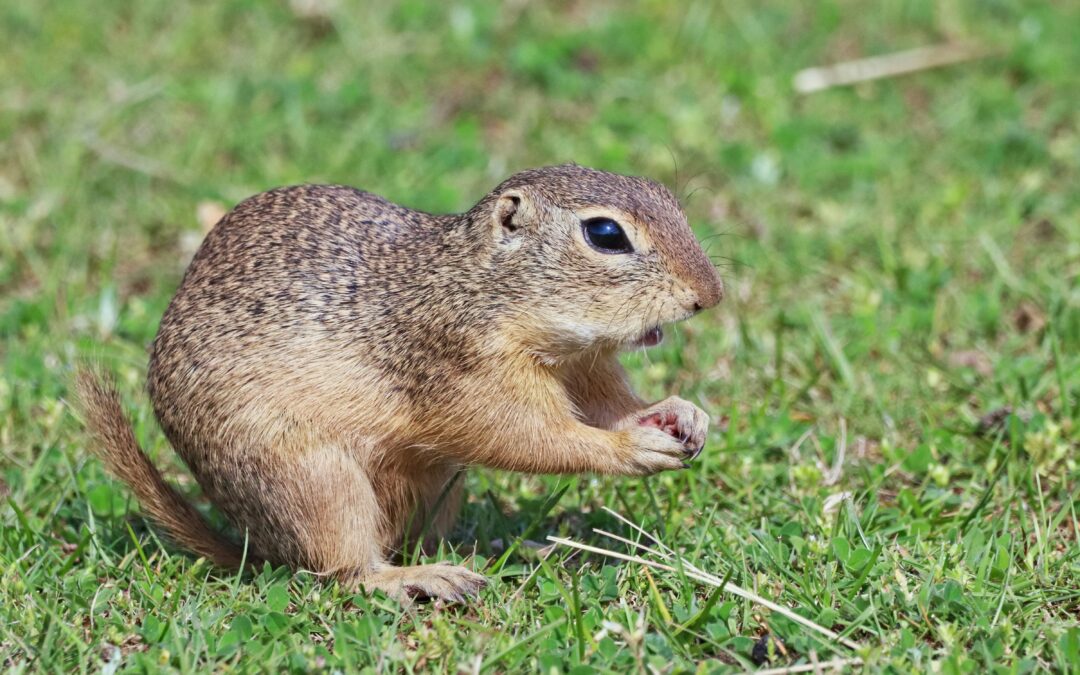
Tomatoes are one of the most satisfying crops to grow at home, but if you’ve ever walked out to your garden only to find bite marks or half-eaten tomatoes scattered on the ground, you already know squirrels can be a real problem. They don’t just nibble, they ruin entire fruits in one go. The frustration grows when you’ve put in weeks of care only for squirrels to snatch the reward right before harvest. From my own personal experience, stopping squirrels requires a mix of smart planning, consistent protection, and a little bit of creativity.
In this guide, you’ll get practical, detailed steps that actually work. We’ll look at what attracts squirrels in the first place, different ways to keep them away, and natural deterrents that won’t harm your plants. By the end, you’ll have more than enough strategies to protect your tomato crop and finally enjoy your harvest.
Why Squirrels Go After Tomatoes
To prevent squirrels from raiding your garden, it helps to understand why they’re so drawn to tomatoes in the first place. It isn’t always hunger. Often, squirrels are after water. Tomatoes are juicy and packed with moisture, and during hot weather, squirrels bite into them for hydration. That’s why you’ll sometimes see just one or two bites taken out of a fruit rather than the whole tomato being eaten.
Another reason is sheer curiosity. Squirrels are opportunistic feeders. If they see bright red tomatoes hanging on vines, they may test them out just because they’re visible and easy to grab. A yard with little natural food makes your garden even more tempting.
Understanding this behavior is important because prevention isn’t just about scaring squirrels off, it’s also about reducing what attracts them in the first place.
Signs That Squirrels Are Eating Your Tomatoes
Before setting up prevention methods, you’ll want to be sure that squirrels are the culprits and not other pests like birds, raccoons, or insects. A few clear signs point toward squirrels:
- Tomatoes with shallow bites or gnaw marks instead of clean holes.
- Partially eaten tomatoes left on the vine or dropped on the ground.
- Damage during early morning or late afternoon when squirrels are most active.
- Tracks or droppings near the plants.
If you see these patterns regularly, you can almost guarantee that squirrels are to blame.
Create a Physical Barrier Around Your Tomato Plants
One of the most effective ways to keep squirrels away is to physically block them. Squirrels are agile, but the right barrier can discourage them from reaching your tomatoes.
A simple and reliable option is garden netting. You can drape lightweight netting directly over tomato cages or set up a frame around the plants so the net doesn’t touch the fruits. This makes it hard for squirrels to get close enough to bite. Make sure the netting holes are small enough to stop their paws from slipping through.
Another strong option is chicken wire or hardware cloth. You can build a small enclosure around the tomato bed using stakes and wire. Unlike netting, which squirrels sometimes chew through, chicken wire is harder for them to damage. If you cover the top as well, you create a full cage that blocks them from climbing in.
From my own personal experience, the effort of setting up a wire cage pays off the most. Once in place, it keeps not just squirrels but also rabbits, birds, and even raccoons away from the plants.
Distract Squirrels with a Water Source
Since squirrels often eat tomatoes for hydration, one clever trick is to give them an easier water source. Setting out a shallow dish of fresh water in your yard can reduce their temptation to bite into tomatoes.
This doesn’t mean you’ll be inviting more squirrels. In fact, by giving them a simple way to quench thirst, you can protect your fruits. Place the dish away from the garden so they learn to go there instead of climbing into your plants.
This method works especially well in hot summers when tomatoes become the go-to source of liquid for squirrels.
Plant Decoys or Alternative Food Sources
Squirrels are opportunistic. If you offer them something easier to access, they’ll often leave your tomatoes alone. Some gardeners use sunflower seeds, corn cobs, or even fruit scraps placed in a corner of the yard.
The trick here is distance. Place decoys far enough away that squirrels don’t get curious about your main garden. Over time, they’ll head for the easy snack and lose interest in tomatoes.
That said, this method can be hit or miss depending on how many squirrels are around. It works best in combination with barriers or deterrents rather than as the only solution.
Use Natural Squirrel Repellents
Another approach is to use scents and tastes that squirrels dislike. This doesn’t harm them but makes your garden less appealing.
Common repellents include:
- Garlic and onion spray: Blending garlic, onion, and water creates a strong smell squirrels avoid. Spray it lightly on the soil around your tomato plants.
- Cayenne pepper or chili flakes: A dusting around the base of plants can deter squirrels since they dislike spicy scents. Just reapply after rain.
- Vinegar spray: Diluted vinegar sprayed on fences or posts near the tomatoes creates a sour smell that keeps squirrels away.
Always avoid spraying directly on the fruits you plan to eat. Apply repellents on soil, cages, or nearby surfaces instead.
Motion-Activated Sprinklers and Devices
Squirrels are skittish by nature, which makes motion-activated tools highly effective. A sprinkler system that sprays water when movement is detected can startle them and send them running.
There are also ultrasonic devices designed to emit sounds when motion is detected. These sounds are annoying to squirrels but harmless. For best results, place them near tomato beds where activity is highest.
Both options work especially well if your garden is open and easy for squirrels to enter.
Keep the Garden Area Clean
Messy yards attract wildlife. If you want to reduce squirrel visits, start by making the area less inviting. Pick up fallen fruits, don’t leave birdseed scattered around, and avoid leaving pet food outside.
Squirrels are opportunistic, so every little source of food counts. By keeping things clean, you force them to look elsewhere. Pair this with barriers and repellents, and your chances of protecting tomatoes go up dramatically.
Grow Companion Plants That Repel Squirrels
Certain plants naturally repel squirrels with their scent. Growing these near your tomatoes can add another layer of defense.
Some good choices include:
- Mint
- Daffodils
- Alliums (like garlic and onions)
- Geraniums
These plants give off strong smells that discourage squirrels. Plant them in borders around your tomato bed or in pots close to the plants you want to protect.
Harvest Tomatoes Early
Another smart way to beat squirrels is to pick tomatoes as soon as they start ripening. Instead of letting them stay on the vine until they turn fully red, harvest them at the first sign of color change.
You can then let them ripen indoors on a windowsill. This reduces the window of time when squirrels can grab them. It’s a simple but effective trick if you’re dealing with stubborn visitors.
Combine Methods for Best Results
No single method works 100% of the time. The most reliable way to stop squirrels is to combine several strategies. For example, set up chicken wire around the plants, keep a water source away from the garden, and spray garlic solution on the soil.
This layered approach makes it harder for squirrels to adapt. They may overcome one barrier, but facing multiple deterrents at once usually drives them elsewhere.
Final Thoughts
Protecting tomatoes from squirrels can feel like a battle, but with the right mix of tactics, you can reclaim your garden. Whether you go for physical barriers, natural repellents, or motion-based tools, consistency is the key. Don’t be discouraged if one method doesn’t work immediately, combine approaches until you find the balance that works for your yard.
Based on my overall experience, squirrels are persistent but not unbeatable. Once you disrupt their routine and make your tomatoes harder to access, they’ll often move on to easier food sources.
From my own personal experience, the effort you put into protecting your plants makes the harvest taste even sweeter. When you finally bite into that perfectly ripened tomato, you’ll know it was worth every trick, spray, and wire cage you set up along the way.