
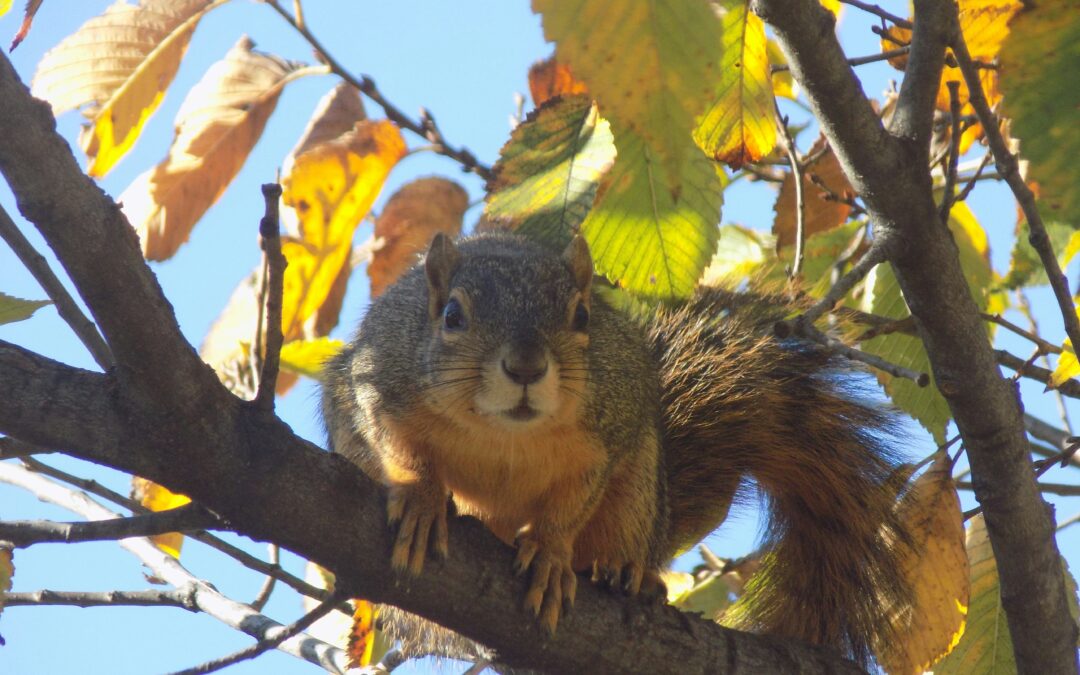
Flying squirrels have always fascinated people. These small creatures look like regular squirrels at first, but the moment they leap and spread their gliding membranes, they show off a skill that feels straight out of a storybook. Many people wonder whether such unique animals face threats in today’s world, and the question naturally comes up: are flying squirrels endangered? When people talk about wildlife conservation, flying squirrels rarely make the top of the list, yet their survival tells an important story about forests, human actions, and how species adapt to change.
What Exactly Are Flying Squirrels?
Flying squirrels belong to the family Sciuridae, the same family as regular squirrels. However, they stand apart because of a thin layer of skin called the patagium that stretches between their limbs. This membrane allows them to glide from tree to tree, often covering distances of up to 150 feet in a single leap. While they cannot fly like birds or bats, their gliding skill gives them an edge in escaping predators and finding food.
There are more than 50 species of flying squirrels worldwide. Some are small, weighing less than 3 ounces, while others, like the woolly flying squirrel of Pakistan, can weigh up to 5 pounds. Their diversity is impressive, but it also means their conservation status varies. Some species are thriving, while others face serious risks.
The Global Distribution of Flying Squirrels
Flying squirrels live across North America, Europe, and Asia. In North America, two main species stand out: the northern flying squirrel (Glaucomys sabrinus) and the southern flying squirrel (Glaucomys volans). In Asia, species like the red giant flying squirrel and the Japanese flying squirrel are more common. Europe, on the other hand, is home to the Siberian flying squirrel, which has a smaller range but holds cultural significance.
Their distribution plays a major role in whether they are considered endangered. Some species with wide ranges and healthy habitats remain stable, while those limited to shrinking forests face growing challenges.
Are Flying Squirrels Endangered Globally?
The short answer is no, not all flying squirrels are endangered. However, some specific species are at risk. The International Union for Conservation of Nature (IUCN) evaluates species and assigns them conservation statuses ranging from Least Concern to Critically Endangered. Many flying squirrel species fall into the Least Concern category, meaning they are not facing immediate threats to survival.
That said, a few stand out as endangered or vulnerable. For example:
- The Namdapha flying squirrel in India is considered critically endangered because it has only been recorded in a single location.
- The Hainan flying squirrel, once native to China, has not been seen for decades and may already be extinct.
- The Siberian flying squirrel has lost much of its European range, particularly in Finland and Estonia, due to habitat loss.
So, while the species overall are not endangered, certain regional populations face serious risk.
Habitat Loss: The Biggest Threat
The largest threat to flying squirrels is habitat loss. These animals rely heavily on mature forests with tall trees, where they can glide safely and nest in tree cavities. Logging, urban development, and agriculture all reduce these forests, leaving flying squirrels with fewer safe spaces to live.
When forests are broken into smaller patches, flying squirrels struggle even more. Their ability to glide is impressive, but it has limits. If trees are too far apart, they cannot cross safely. This makes fragmented forests a dangerous place, leading to higher predator attacks and lower survival rates.
Predators and Natural Challenges
Flying squirrels have natural predators such as owls, hawks, snakes, and martens. Normally, their gliding skills and nocturnal lifestyle give them an advantage in avoiding predators. However, when habitats shrink, predators have an easier time catching them.
Another challenge comes from changing climates. Warmer winters can affect the availability of food like nuts, seeds, and fungi. Since flying squirrels depend on seasonal food storage, shifts in climate patterns disrupt their routines and lower survival rates.
The Role of Flying Squirrels in Forests
Flying squirrels are more than just fascinating creatures. They play a critical role in maintaining healthy ecosystems. In particular, they spread fungal spores, especially from truffle-like fungi that live underground. These fungi form symbiotic relationships with trees, helping roots absorb water and nutrients.
When flying squirrels eat the fungi and later release spores through droppings, they help forests regenerate and stay healthy. In this way, protecting flying squirrels also means protecting the balance of entire forest ecosystems.
Conservation Efforts for Flying Squirrels
Conservation efforts vary depending on the region. In North America, flying squirrels are generally not under heavy protection because their populations are stable. However, monitoring programs exist to ensure that changes in forest management do not harm them.
In Europe, the Siberian flying squirrel receives stronger protection. In Finland, for example, conservation laws require forestry companies to leave certain habitats untouched if flying squirrels are present.
In Asia, efforts are more urgent. For species like the Namdapha flying squirrel, conservationists push for stricter forest protections and more research. Because sightings are so rare, it is difficult to understand their population size or exact needs, which makes conservation work even more challenging.
How People Impact Flying Squirrels
Human activity plays both negative and positive roles. On the negative side, deforestation, road construction, and city expansion all reduce flying squirrel habitats. On the positive side, awareness campaigns and legal protections help certain populations survive.
For example, in North America, people often set up birdhouses or nesting boxes that flying squirrels end up using. While this does not replace mature forests, it gives them temporary shelter in areas where tree cavities are missing.
Are Flying Squirrels Kept as Pets?
Some people wonder if keeping flying squirrels as pets affects their conservation status. In some regions, southern flying squirrels are bred in captivity and sold as pets. While this does not directly endanger wild populations, it can create challenges. Captive squirrels may not survive if released into the wild, and breeding them for pets sometimes distracts from protecting their natural habitats.
What the Future Looks Like for Flying Squirrels
The future of flying squirrels depends on how people handle forests. If deforestation continues at high rates, more species will become endangered. If conservation programs expand, especially in Asia, rare species may stand a better chance of survival.
Climate change will also play a role. Flying squirrels adapt well to seasonal environments, but rapid changes in temperature and food availability could push vulnerable populations to the brink. Protecting large, connected forests remains the best way to secure their future.
Why Flying Squirrels Matter to People
Beyond their ecological role, flying squirrels inspire wonder. People who see one gliding under the moonlight rarely forget the experience. They remind us that nature still holds surprises and that small animals can have big impacts on ecosystems. Their survival is not just about protecting another species but about preserving the magic and balance of forests.
Conclusion: Are They Endangered or Not?
To sum it up, flying squirrels as a group are not globally endangered. Most species remain stable, especially in North America. However, certain species, like the Namdapha flying squirrel and the Siberian flying squirrel in Europe, face severe risks. The main reasons are habitat loss, fragmentation, and changing climates.
Their future depends on how people act. Protecting forests, supporting conservation programs, and raising awareness all play a part. Flying squirrels are small, but their importance to forests and their charm in the natural world make them worth every effort to protect. Based on my overall experience reading about them, I can say they deserve more attention than they currently receive, because losing them would mean losing an important piece of nature’s puzzle.