
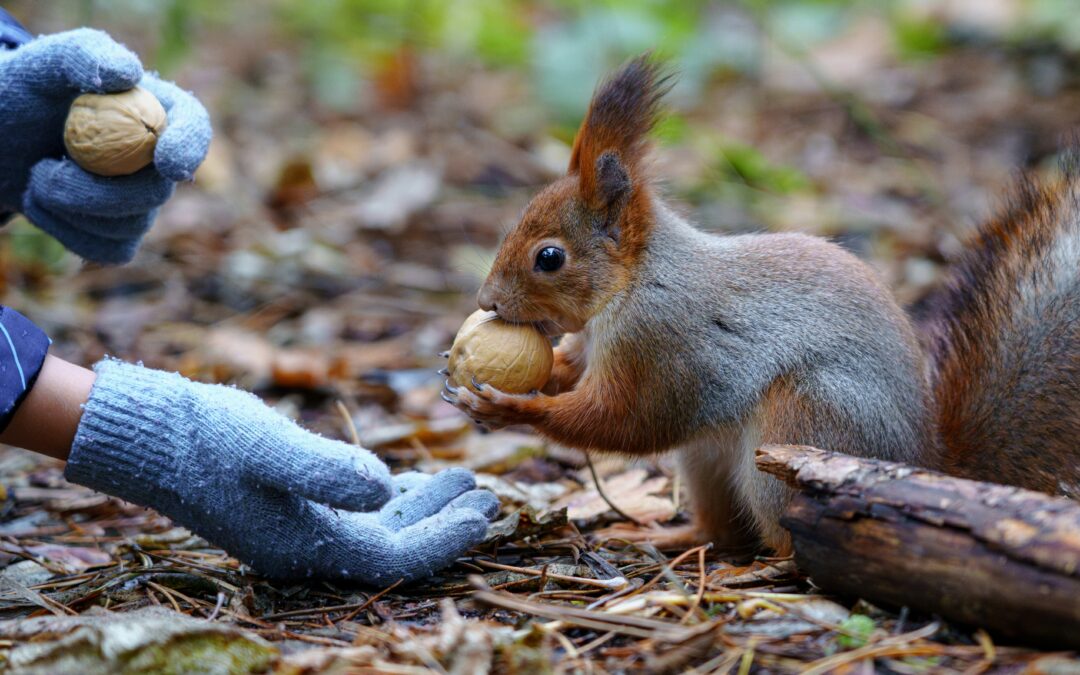
You’ve probably seen a squirrel dart across your yard, carrying something in its mouth. Most people instantly think of acorns or nuts, but that’s not the full story. These small, fast creatures have a far more flexible diet than you might imagine. Their eating habits depend on where they live, what season it is, and what food is available around them. From my own personal experience, watching squirrels in both urban parks and wooded areas, I’ve noticed that they’re surprisingly adaptable when it comes to food. One day you’ll catch them munching on acorns, and the next day they’ll be nibbling on fruit that has fallen from a tree.
So, do squirrels eat fruit? The short answer is yes. But the long answer involves looking into their behavior, the kind of fruits they go after, why they enjoy them, and even the possible risks involved in feeding fruit to squirrels.
Why Squirrels Eat Fruit
Squirrels are opportunistic eaters. This means they don’t stick to one strict diet but rather eat what’s available and easy to find. Fruit often becomes an easy meal for them because it’s sweet, juicy, and packed with nutrients that help keep them active. For squirrels, fruit is not just a treat. It provides quick energy, hydration, and vitamins that their bodies need.
In the wild, fruit is a seasonal option. During spring and summer, when fruit trees are loaded, squirrels will happily enjoy what they find. During fall and winter, fruit becomes harder to find, and squirrels go back to their main diet of nuts, seeds, and bark.
Common Fruits That Squirrels Eat
Not all fruits attract squirrels in the same way. Some are more appealing than others, depending on their flavor, texture, and availability. Let’s break down some of the most common fruits that squirrels are known to eat.
Apples
Apples are a classic choice for squirrels. If you have an apple tree in your backyard, you’ve likely seen half-eaten apples scattered on the ground. Squirrels love the sweetness and water content. They’ll eat both the flesh and the skin, and sometimes even gnaw into the core.
Berries
Squirrels often go after berries such as strawberries, blackberries, raspberries, and blueberries. These small fruits are perfect for them because they can be eaten quickly and carried easily. Wild squirrels especially love berry bushes because they can feast without much effort.
Grapes
Grapes are another fruit that squirrels will eat if they come across them. The small size and sweetness make grapes an easy snack. In gardens where grapes grow, squirrels can be a real challenge for people trying to protect their crops.
Bananas
Squirrels don’t usually find bananas in the wild, but in urban areas where people leave banana peels or pieces of fruit in trash bins, squirrels will nibble on them. They enjoy the soft texture and sweet taste, though bananas aren’t a natural part of their wild diet.
Pears and Plums
Squirrels will eat pears and plums when they are ripe and fall from trees. These fruits are juicy and provide hydration during warmer months. Just like with apples, squirrels don’t mind nibbling through the skin.
Cherries and Peaches
These fruits are less common in wild squirrel diets but are quickly eaten if available. Squirrels enjoy the soft flesh but usually avoid or discard the pits.
Fruits Squirrels Should Avoid
Not all fruits are safe for squirrels. While they will often try almost anything edible, certain fruits or parts of fruits can be harmful to them. For example, citrus fruits like oranges and lemons are too acidic for their digestive systems, and eating too much can cause stomach issues. Dried fruits are also risky because of their high sugar concentration, which is not healthy for squirrels in the long run.
Another issue is fruit pits and seeds. Apple seeds, cherry pits, and peach pits contain small amounts of cyanide, which can be toxic if consumed in large quantities. Usually, squirrels instinctively avoid eating the seeds or pits, but it’s something worth knowing if you’re considering feeding squirrels.
Why People Notice Squirrels Eating Fruit More in Their Yards
You might wonder why squirrels suddenly seem interested in fruit when you have a garden. The truth is that squirrels are resourceful creatures that notice food sources quickly. If you have fruit trees, berry bushes, or even a vegetable garden, squirrels will eventually find them.
In urban areas, fruit in trash bins or compost piles also attracts squirrels. They’re quick learners, and once they know a spot has food, they’ll keep coming back.
Seasonal Behavior and Fruit Eating
Squirrels are strongly affected by the seasons, and this includes their fruit-eating habits. In spring and summer, fruit becomes a larger part of their diet because it’s fresh and abundant. During fall, squirrels shift their attention more to nuts and seeds since they need to store high-energy food for the winter. By winter, fruit is rare, and squirrels rely mainly on their food stashes and bark from trees.
This cycle helps explain why you may notice squirrels eating more fruit at certain times of the year and not at others.
Squirrels in Urban Areas vs. Squirrels in the Wild
The diet of squirrels varies depending on where they live. In the wild, squirrels eat fruit mainly when it’s in season and growing naturally. Urban squirrels, on the other hand, are exposed to more fruit because people leave scraps or grow fruit in backyards and community gardens. Urban squirrels are less picky because they don’t always have access to the same food sources as wild squirrels.
This is why you may spot city squirrels chewing on things like bananas, grapes, or even processed fruit snacks that they find in the trash. Wild squirrels are more likely to stick with apples, berries, and other naturally available fruits.
Should You Feed Squirrels Fruit?
It might be tempting to hand out fruit to squirrels when you see them in your yard. After all, it seems harmless and even kind. However, there are some important things to consider.
Squirrels need a balanced diet, and feeding them too much fruit can upset that balance. Fruit is high in sugar, and too much sugar can cause health problems for squirrels, just like it can for humans. Occasional fruit treats are fine, but they should not make up the majority of a squirrel’s diet.
If you do decide to feed squirrels fruit, stick with small amounts and natural, fresh options. Avoid dried fruits, citrus, or anything with added sugar. It’s also important not to create dependency. Squirrels are perfectly capable of finding their own food, and feeding them too much can disrupt their natural foraging habits.
The Role of Fruit in the Squirrel Ecosystem
One interesting point about squirrels eating fruit is how it helps the ecosystem. When squirrels nibble on fruit and carry it around, they sometimes drop pieces or seeds in different places. This can help with the spread of certain plants and trees. Even when squirrels don’t intentionally plant seeds, their habits of moving food from one spot to another can contribute to natural growth cycles.
So, while a squirrel munching on an apple might seem like just a snack, it’s also part of a bigger picture of how nature recycles and regenerates.
Risks of Fruit in Squirrel Diets
Even though squirrels love fruit, there are a few risks that come with it. Eating too much sugary fruit can lead to imbalances in their diet, leaving them with less interest in the protein and fats they need from nuts and seeds. This can make them weaker, especially during winter when they need stored energy.
Another risk comes from human-grown fruits. Fruits in markets or even in some gardens are often treated with pesticides. These chemicals can be harmful to squirrels if consumed in large amounts. Washing fruits before leaving them out can help reduce the risk if you’re intentionally feeding them.
Fun Facts About Squirrels and Fruit
- Squirrels don’t always eat the whole fruit. Sometimes they just nibble and leave the rest behind.
- Squirrels often hide fruit pieces the same way they store nuts, although fruit doesn’t last as long.
- Young squirrels are curious and will often try fruit before moving on to nuts as they grow.
- In some areas, squirrels are known to raid vineyards and berry patches, causing problems for farmers.
The Bigger Picture: Squirrel Survival and Food Variety
Fruit is only one part of a squirrel’s varied diet. While they enjoy fruit, they also rely on nuts, seeds, fungi, insects, and even tree bark for survival. This variety ensures they get all the nutrients they need across different seasons.
The fact that squirrels can eat fruit shows just how adaptable they are. This adaptability is one of the reasons squirrels thrive in so many different environments, from deep forests to busy city parks.
Final Thoughts
So, do squirrels eat fruit? Yes, they definitely do. Fruit is a tasty and nutritious option for squirrels, though it’s not their main source of food. They eat it when it’s available, especially in summer, and enjoy a range of fruits like apples, berries, grapes, and pears. But while fruit is safe in moderation, too much of it can cause problems for their health.
From my own personal experience, watching squirrels explore fruit trees in a backyard is both entertaining and eye-opening. It shows just how clever and flexible these animals are. They make the most of what’s around them, whether it’s wild fruit in a forest or an apple that dropped in someone’s garden.
In the end, fruit is just another reminder of how squirrels fit perfectly into their environments. They are opportunistic, resourceful, and quick to adapt, making them one of the most fascinating animals to observe in nature.