
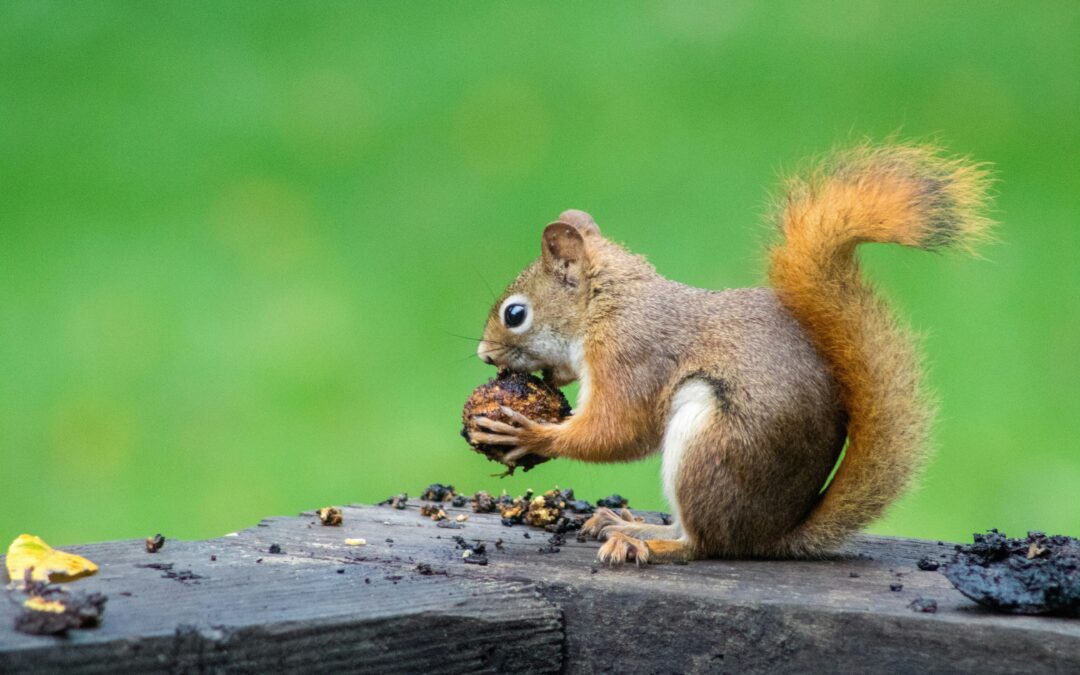
At first glance, squirrels might look too cute and playful to belong to the same group as rats or mice. They leap across trees, stash nuts, and sometimes even come right up to you in parks, asking for food. But once you start digging into the science, a clear question pops up: are squirrels actually rodents? The short answer is yes. The longer answer is much more interesting, and that’s what I’ll break down for you here.
This post will dive into what makes a rodent, where squirrels fit in, and how their behavior, biology, and history confirm their place in the rodent family tree. By the end, you’ll not only have a clear answer, but also a deeper appreciation for why squirrels matter more than you may have realized. And, from my own personal experience, observing squirrels closely can completely change how you think about them.
What Exactly Is a Rodent?
Before labeling squirrels, you need to understand what counts as a rodent in the first place. The word “rodent” comes from the Latin word rodere, meaning “to gnaw.” And that’s the core trait, rodents have ever-growing front teeth that never stop growing. To keep them in check, they constantly chew on things like wood, seeds, or anything hard enough to file them down.
Rodents are mammals, and they make up the largest group of mammals on Earth. Mice, rats, beavers, porcupines, hamsters, guinea pigs, and yes, squirrels all fall into this category.
Here’s the key checklist that defines a rodent:
- One pair of sharp, chisel-like upper incisors
- One pair of lower incisors
- Teeth that grow continuously throughout their life
- A lack of canine teeth (which carnivores usually have)
- A jaw structure that’s built for grinding food
Once you compare this list to squirrels, the answer becomes clear.
Where Squirrels Fit in the Animal Family Tree
Biologists classify animals into different groups to make sense of how they’re related. Squirrels belong to the family Sciuridae. This family includes over 270 species, ranging from the familiar gray squirrel in city parks to flying squirrels that glide at night.
The Sciuridae family sits firmly inside the larger order of Rodentia, which is the scientific name for rodents. So scientifically speaking, squirrels aren’t just rodents, they’re part of one of the most diverse rodent families in existence.
The family tree looks like this:
- Kingdom: Animalia
- Phylum: Chordata
- Class: Mammalia
- Order: Rodentia
- Family: Sciuridae
If you’ve ever noticed how similar a squirrel’s teeth look to a beaver’s, or how their gnawing habits mirror those of rats, this classification makes sense.
Why the Confusion?
So why do so many people hesitate to call squirrels rodents? It mostly comes down to perception. Rats and mice are often seen as pests, they invade homes, spread disease, and eat through wiring. Squirrels, on the other hand, have earned a softer image. They’re the “cute” rodents, associated with parks, autumn, and playful antics.
But biologically, cuteness doesn’t change classification. Just because squirrels seem cleaner or friendlier doesn’t mean they aren’t rodents. In fact, their rodent traits are exactly what help them survive.
The Teeth That Give It Away
If you’ve ever seen a squirrel crack open a walnut, you know how strong their teeth are. Those sharp front incisors are the defining feature of all rodents. In squirrels, the teeth grow about six inches a year, but they wear down as they chew.
Without constant chewing, a squirrel’s teeth would grow too long, making it impossible to eat. That’s why you’ll see squirrels gnawing on bark, sticks, or even man-made objects like wires. They aren’t just being destructive, they’re maintaining their teeth.
This dental system is one of the strongest proofs that squirrels belong in the rodent category.
Behavior That Matches Rodents
Squirrels don’t just share teeth with rodents; they share many habits too.
Food Storage
Rodents are famous for stashing food, and squirrels are no exception. They bury nuts underground, sometimes forgetting where they left them. This habit, funnily enough, helps forests grow since forgotten nuts can sprout into trees.
High Reproductive Rate
Like other rodents, squirrels reproduce quickly. A female squirrel can have multiple litters a year, with several babies each time. This fast reproduction helps keep their population stable despite predators.
Adaptability
Rodents are survivors. They thrive in cities, forests, deserts, you name it. Squirrels follow the same pattern. Whether you’re in the middle of New York or a quiet woodland, you’ll find squirrels making the most of whatever resources are available.
Gnawing Behavior
From chewing on tree bark to electrical wires, their gnawing habit mirrors rats and mice.
Squirrels Compared to Other Rodents
Now, let’s put squirrels side by side with some of their rodent cousins:
Mice and Rats: Smaller, more likely to invade homes, but share the same teeth and rapid reproduction cycle.
Beavers: Much larger, semi-aquatic, and famous for building dams. Still, their teeth and chewing habits connect them to squirrels.
Porcupines: Covered in quills, but like squirrels, they have strong gnawing teeth.
Chipmunks: Probably the closest cousins to squirrels, with similar looks and behaviors.
The differences are clear, but the similarities confirm the classification.
Squirrel Diversity Around the World
Squirrels aren’t limited to one region. They live almost everywhere except Australia and Antarctica. You’ll find:
- Tree Squirrels in forests and city parks
- Ground Squirrels in open fields and grasslands
- Flying Squirrels in forests, gliding from tree to tree at night
Each type adapts to its environment while keeping those rodent traits.
My Personal Experience With Squirrels
From my own personal experience, spending time observing squirrels in a city park gave me a new respect for them. At first, I saw them as playful animals stealing food from picnickers. But when I watched them closely, I noticed how carefully they choose nuts, how quick they are at digging, and how relentless they are at chewing.
That persistence is a survival trait. It reminded me a lot of mice I had seen in other settings, the same energy, the same focus, but expressed in a way that looks more charming. That’s when it clicked for me that yes, squirrels are rodents, and a pretty fascinating type at that.
Why It Matters That Squirrels Are Rodents
You might wonder: who cares if squirrels are rodents? But understanding their classification matters for several reasons:
- Ecology: Their food storage helps reforest areas.
- Conservation: Knowing they reproduce like other rodents helps manage populations.
- Coexistence: Recognizing them as rodents explains behaviors that sometimes cause conflict, like chewing wires.
Calling them rodents doesn’t diminish their value, it helps us respect them for what they truly are.
Final Thoughts
So, are squirrels rodents? Absolutely. They have the teeth, the behaviors, the family tree, and the survival strategies to prove it. While they may not share the same negative reputation as rats or mice, their biology ties them together.
The next time you see a squirrel darting across a tree or burying a nut, you’ll know you’re looking at one of the most successful members of the rodent world. Cute or not, they belong to the same category, and that’s what makes them so remarkable.