
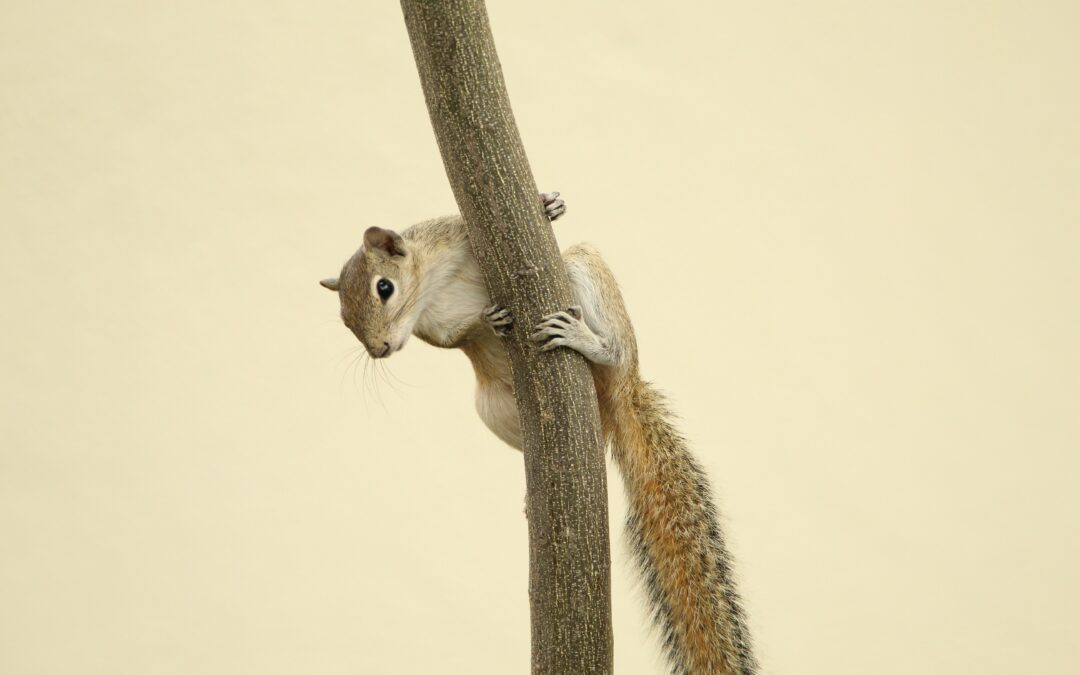
If you’ve ever walked into your garden and noticed that your carefully planted flowers or vegetables have been chewed down, there’s a good chance squirrels are the culprits. These little creatures may look cute, but they can cause big problems in gardens, yards, and even attics. Because of this, people often search for natural ways to keep them away without using harsh chemicals. One of the most talked-about methods is using Irish Spring soap. Yes, the same bar soap you find in the bathroom aisle at the store. Some gardeners swear by it, claiming that squirrels can’t stand the smell. From my own personal experience, I’ve seen how unusual deterrents sometimes work in surprising ways, so it’s worth digging into whether this method actually makes sense or not.
This post is going to dive deep into the question: does Irish Spring soap really keep squirrels away? We’ll look at why squirrels are such a challenge, why people believe the soap works, the science behind scent-based repellents, and whether this is a long-term solution or just a quick fix. By the end, you’ll have a clear understanding of whether Irish Spring belongs in your bathroom, or in your garden.
Why Squirrels Cause Trouble
Squirrels might be small, but they have strong teeth, sharp claws, and endless curiosity. Their behavior often leads to damage in places you wouldn’t expect. In gardens, they dig up bulbs, chew through plants, and raid bird feeders. In homes, they can chew wires, insulation, and even squeeze through tiny openings to nest in attics.
Unlike larger pests, squirrels don’t always run away when they see you. They are bold, and once they know a food source exists, they tend to return again and again. This makes them tough to discourage without a consistent deterrent.
Because they are active in the day, you’ll often notice their activity right away, plants pulled out, holes dug, or even the sound of scurrying on the roof. And since removing squirrels permanently is not easy, finding a deterrent becomes a practical choice. That’s where the Irish Spring soap trick enters the picture.
The Idea Behind Using Irish Spring Soap
The concept of using Irish Spring soap as a squirrel repellent started as a home remedy shared by gardeners. The soap has a strong scent, clean, sharp, and long-lasting. While people may find the smell fresh, the claim is that squirrels hate it. The idea is simple: shave or cut pieces of the soap, scatter them around your plants, or place them in mesh bags near areas where squirrels cause damage.
Some people even rub the soap directly onto wooden posts, fences, or garden beds. The hope is that squirrels will get a strong whiff, dislike the smell, and avoid the area entirely.
But does scent alone really drive them away? To answer that, you need to look at how squirrels react to strong odors in general.
Do Squirrels Hate Strong Scents?
Squirrels rely heavily on their sense of smell. They use it to find buried nuts, detect predators, and locate food. Because of this, strong artificial scents can confuse or overwhelm them. That’s why other repellents, like peppermint oil or vinegar, are often recommended.
Irish Spring falls into this same category, it produces a sharp, lingering smell that is unnatural in a garden setting. In theory, that makes it unappealing to a squirrel’s sensitive nose. However, the problem is that squirrels are adaptable. They may avoid an area at first, but if they realize there is food nearby, many will eventually push past the smell.
This is where people’s experiences differ. Some say it works wonders, while others claim it barely made a difference.
Does Irish Spring Really Work as a Repellent?
The short answer is: yes and no. Irish Spring soap can work as a temporary deterrent in certain situations, but it’s not a guaranteed, long-term solution. Let’s break this down.
- Short-Term Success
When freshly cut or placed, the soap’s scent is strong. Squirrels may avoid the area at first because it smells foreign or unpleasant. For new gardens or spots where they aren’t yet committed to digging, this might be enough to discourage them. - Long-Term Challenges
The soap wears down quickly outdoors, especially in rain or sun. Once the smell fades, squirrels return. You’d have to replace or refresh the soap frequently, which can become more of a hassle than a solution. - Persistent Squirrels
If squirrels already know your garden has food, they may ignore the scent altogether. Hunger and curiosity are powerful motivators, and soap alone won’t outweigh a food source.
Comparing Irish Spring to Other Repellents
It’s helpful to compare Irish Spring soap with other common squirrel deterrents to see where it stands.
- Peppermint Oil
Strong and natural, peppermint oil is often more effective than soap because it has a sharper scent. However, like soap, it fades and needs reapplication. - Vinegar
The sour smell of vinegar can drive squirrels away, but it evaporates quickly and is not pleasant for people to smell either. - Predator Urine
Some products use fox or coyote urine to scare squirrels, as the smell signals danger. These are often more effective than soap but can be off-putting for people to use around their homes. - Physical Barriers
Netting, fencing, or closed bird feeders tend to be far more reliable than any scent-based method.
So, Irish Spring soap sits somewhere in the middle: better than nothing, but not as strong as other options.
Where Irish Spring Soap Works Best
Even though Irish Spring isn’t perfect, there are certain scenarios where it can be useful:
- Protecting Flower Beds
Freshly planted tulips, daffodils, and other bulbs are squirrel magnets. Placing soap shavings around them can buy you some time until the plants grow stronger. - Small Gardens
In smaller spaces, it’s easier to refresh the soap regularly, making it more effective. - Temporary Fixes
If you just need a quick deterrent while waiting to install fencing or another method, soap can fill that gap. - Areas with Light Activity
If squirrels occasionally wander in but aren’t fully established, soap might be enough to stop them before they settle in.
How to Use Irish Spring Soap as a Repellent
If you want to test this method, here’s how to do it:
- Cut the soap into small chunks or shave it into pieces.
- Place the pieces in breathable mesh bags or wrap them in cheesecloth.
- Hang or scatter these near plants, fences, or entry points.
- Replace the soap every couple of weeks or after heavy rain.
- Combine with other deterrents for better results.
This way, you give the method a fair chance while also recognizing its limits.
Why People Keep Using This Trick
Even though it isn’t perfect, the Irish Spring soap method remains popular for a reason. It’s cheap, safe, and easy to try. Unlike harsh chemicals or traps, it doesn’t harm squirrels, pets, or plants. Plus, the scent is more pleasant to humans than vinegar or predator urine.
There’s also something appealing about using everyday household items in creative ways. Gardeners love experimenting, and sometimes the simplest tricks end up working—at least well enough to recommend.
A Balanced Approach
If you really want to keep squirrels away, relying on just Irish Spring won’t be enough. Instead, think of it as part of a layered strategy. Combine it with fencing, motion-activated sprinklers, or taste-based repellents that coat plants with bitter flavors. The more barriers you put in place, the harder it is for squirrels to push through.
Final Thoughts
So, does Irish Spring soap keep squirrels away? The answer is: it can, but only under the right conditions. The strong scent might discourage them at first, especially in small spaces or light activity areas. But it’s not a magic solution. Squirrels are determined creatures, and once they know there’s food, they usually find a way around it.
Based on my overall experience, I’d say Irish Spring is worth trying if you’re looking for a safe, cheap, and temporary fix. But for serious or long-term problems, you’ll want to back it up with sturdier solutions.
At the end of the day, it’s another tool in the toolbox. And sometimes, especially when you’re just starting out with squirrel problems, even small steps like a bar of soap can give you some peace of mind while you work on bigger solutions.