
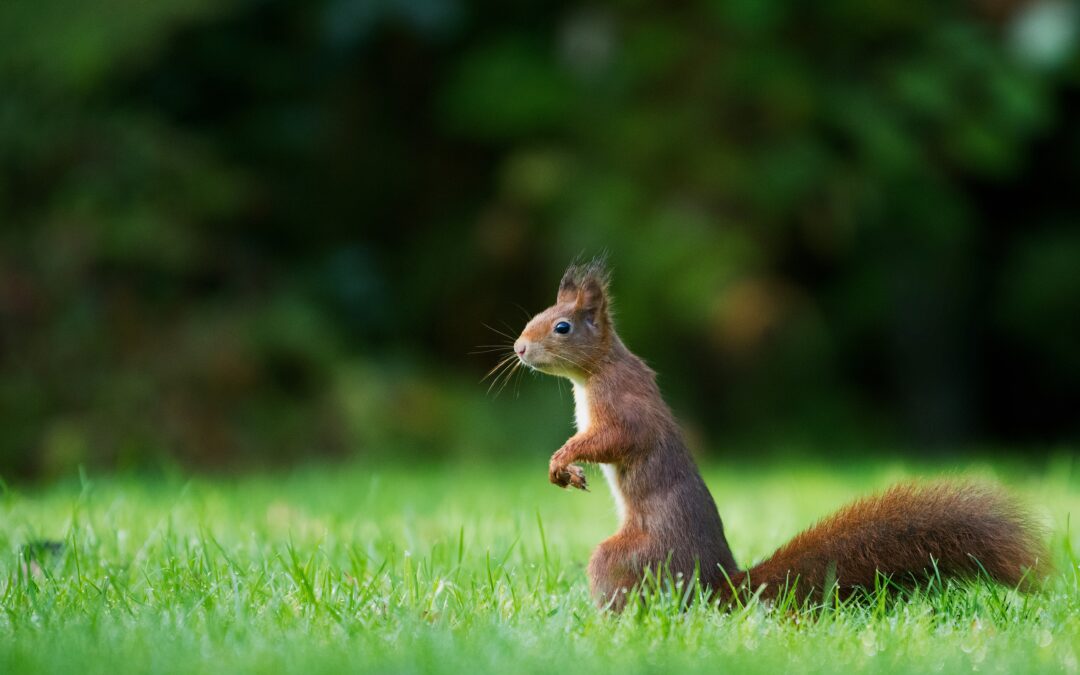
Squirrels are some of the most fascinating creatures to observe in gardens, parks, and forests. They are quick, agile, and surprisingly intelligent, which makes watching them almost addictive. If you’ve ever found yourself asking, “What time do squirrels come out?” you’re not alone. Understanding their daily routines can not only satisfy curiosity but also help with wildlife observation, photography, or even feeding them responsibly. From my own personal experience, knowing when squirrels are active makes a big difference in spotting them consistently rather than missing out on fleeting glimpses.
Let’s Understand Squirrel Behavior Here
Before diving into exact times, it helps to know why squirrels follow specific schedules. Squirrels are diurnal animals, which means they are active during the day and rest at night. Unlike nocturnal creatures like owls, squirrels rely on daylight to forage, move, and avoid predators. Their activity is closely tied to environmental factors such as temperature, season, and food availability.
Squirrels are also territorial. Different species have different ranges, and each squirrel usually maintains a “home area” or territory that it visits daily. Within these territories, they hunt for nuts, seeds, fruits, and sometimes small insects. Knowing this, the times they come out are not random, they follow predictable patterns based on survival needs.
Morning Activity: The First Rush
Most squirrels are early risers. Typically, they start their day just after sunrise. Depending on the season and location, this can be as early as 5:30 a.m. in the summer or closer to 7:00 a.m. in the winter. Mornings are when squirrels are the most active.
Why mornings? From my overall experience, mornings provide the safest and most optimal conditions for foraging. Temperatures are usually cooler, predators are less active, and there is still plenty of daylight to find food before noon. You will notice squirrels darting along tree branches, jumping from rooflines, and scurrying across lawns in a frenzy of morning energy.
Early morning activity is also linked to their internal clock, known as the circadian rhythm. This biological schedule drives them to feed and perform daily activities at specific times. If you’re trying to photograph squirrels or just enjoy watching them, early morning is prime time.
Midday Slowdown: The Siesta
As the day progresses, squirrel activity tends to taper off. By late morning and early afternoon, many squirrels retreat to their nests or dens for a break. This period, often called a “siesta,” allows them to conserve energy, digest food, and stay cool during warmer months.
During midday, you might see fewer squirrels in open areas. They often hide in tree cavities, dense foliage, or even under roofs. If you notice a sudden decrease in activity while sitting in a park or backyard, this is completely normal.
However, this doesn’t mean squirrels disappear entirely. Some squirrels, particularly urban squirrels accustomed to human presence, continue to forage throughout the day. These squirrels adapt their schedules slightly to take advantage of available food sources, such as bird feeders or dropped snacks from humans.
Afternoon and Evening: The Second Wind
After the midday rest, squirrels usually reemerge. Late afternoon and early evening are another peak time for activity, typically an hour or two before sunset. During this time, squirrels are busy finishing their daily foraging, storing nuts, and ensuring their nests are secure for the night.
Evening activity is especially noticeable in areas where squirrels store food. They often engage in what is called “scatter hoarding,” hiding nuts in multiple locations to prevent theft by other animals. Observing squirrels during this time can reveal fascinating behaviors, like carefully burying acorns and revisiting previous hiding spots.
Interestingly, squirrels’ activity in the evening is not just about food. It is also social. In some species, squirrels interact, chase each other, and even engage in playful behavior. This makes the late afternoon an excellent time for observing squirrel social structures and dynamics.
Seasonal Variations: When Squirrels Change Their Schedules
The exact time squirrels come out isn’t fixed; it varies throughout the year. Seasonal changes in daylight and temperature play a huge role.
Spring: With longer days, squirrels tend to wake earlier. Spring is also mating season, so activity levels are higher. You may notice more running, chasing, and vocalizations during this time.
Summer: During hot afternoons, squirrels often retreat to shaded areas or dens. Early morning and late evening are the best times to observe them.
Autumn: This is the season for intense foraging. Squirrels prepare for winter by gathering and storing food. You might see them active almost continuously during daylight hours.
Winter: Cold temperatures slow squirrels down. Some species remain in their nests during the coldest hours, only venturing out in the warmest part of the day, usually late morning.
Understanding these seasonal patterns can help anyone anticipate squirrel activity more accurately.
Urban vs. Rural Squirrels: How Habits Differ
Squirrels in urban areas have adapted to human presence. They often show more flexibility in their schedules, appearing when humans are likely to leave food out or during busy park hours. In contrast, rural or forest squirrels stick closely to their natural circadian rhythms.
Urban squirrels also tend to be bolder, approaching humans, climbing fences, and even exploring playgrounds or garbage bins. Their activity times may extend slightly into periods when rural squirrels would normally be resting.
From my own personal experience, observing squirrels in a city park versus a forest shows a stark contrast. City squirrels are opportunistic and can appear almost any time, while forest squirrels stick religiously to early morning and late afternoon foraging.
Factors Influencing Squirrel Activity
Beyond sunlight and season, several other factors influence when squirrels come out:
- Weather: Rain, snow, or strong winds can reduce activity. Squirrels often hide in nests or dense foliage during harsh weather.
- Predators: Presence of birds of prey, cats, or dogs can alter their schedule. Squirrels become more cautious and may adjust their activity to avoid danger.
- Food Availability: Areas with plentiful food sources may see squirrels active throughout the day. Scarce resources often push them to strict early and late foraging.
- Human Activity: Construction, traffic, and human foot traffic can delay or change their routine.
How to Observe Squirrels Responsibly
If the goal is to watch squirrels, feeding them is not necessary. Observing natural behaviors is more rewarding. To get the best experience:
- Sit quietly in a shaded area. Squirrels are alert and will avoid sudden movement.
- Use binoculars or a zoom camera lens to watch from a distance.
- Avoid loud noises or sudden gestures. Squirrels are sensitive to sound and movement.
- Take notes of patterns. You may start to see recurring behaviors and times when they are most active.
Patience is key. From my overall experience, spending even thirty minutes in a quiet park can provide several sightings, especially during peak hours.
Fun Facts About Squirrel Activity
Understanding the timing of squirrel activity opens the door to appreciating other quirky behaviors:
- Squirrels can leap up to ten feet between trees, often timed with their active hours.
- They have incredible memory, recalling hundreds of hiding spots for nuts.
- Squirrels communicate using tail signals, chattering, and squeaks, mostly during foraging hours.
- Even their sleep is strategically timed—usually short naps between bursts of activity.
Conclusion
So, what time do squirrels come out? The simple answer is: early morning and late afternoon. However, this varies with season, weather, habitat, and food availability. Urban squirrels may be more flexible, while rural squirrels stick strictly to diurnal patterns. By observing these creatures, patterns emerge that make spotting them easier and more enjoyable.
From my own personal experience, the more time spent watching squirrels, the more predictable and fascinating their schedules become. Whether in a park, garden, or forest, knowing the right times to observe squirrels allows for an enriching experience. Morning and evening are your best bets, but patience, quiet observation, and respect for wildlife enhance every encounter.
Observing squirrels isn’t just about curiosity, it’s a small lesson in nature, rhythm, and adaptation. Each sighting reveals a creature balancing survival, play, and social interaction with precision and agility. Next time you wonder when squirrels come out, head outside just after sunrise or an hour before sunset, you might just catch a glimpse of one in action.