
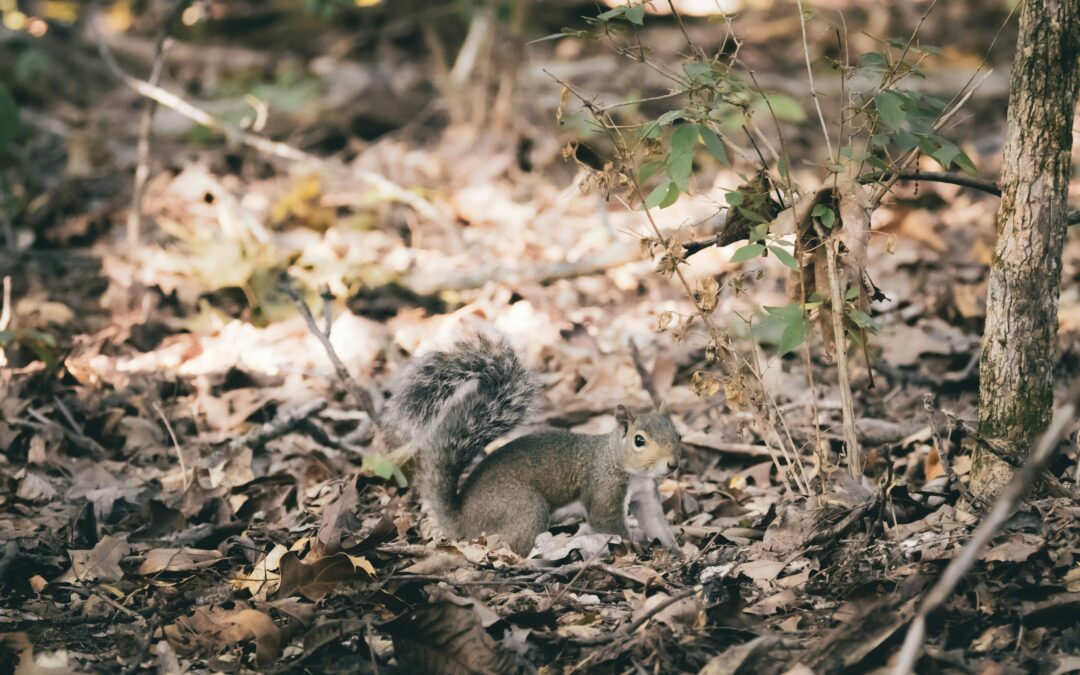
When summer rolls in, the days stretch longer, the heat builds up, and everything in nature seems more alive. But one curious question people often have is about squirrels: where do squirrels sleep in the summer? These lively creatures spend much of the season running, climbing, and foraging, but even they need safe places to rest. Their summer sleeping habits are fascinating and tell us a lot about how they adapt to the changing seasons. Spending time watching squirrels in different settings has shown me that their sleeping choices are as strategic as they are practical.
Let’s jump deep into their summer sleeping patterns and why they choose the spots they do.
Why Squirrels Need Summer Sleeping Spots
Squirrels may look playful and carefree as they dash around trees, chase each other, and scavenge food, but survival is always their top priority. Summer brings warmth, food abundance, and long daylight hours, yet it also comes with challenges. Predators are more active, the heat can be overwhelming, and competition among squirrels can be fierce.
This is why their sleeping spots in summer matter so much. A good resting place helps them:
- Stay cool in high temperatures.
- Hide from predators like hawks, owls, and foxes.
- Preserve their energy for constant foraging.
- Avoid unnecessary exposure to insects or parasites.
Their choices are far from random. Squirrels think about safety, comfort, and location when deciding where to curl up for a nap or a long night’s rest.
Dreys: The Summer Nests of Choice
One of the most common places squirrels sleep in the summer is a drey. Dreys are the leafy nests you often spot tucked into the forks of tall trees. Made of twigs, leaves, and soft materials like moss or grass, these nests look like messy clumps from afar. Up close, they are skillfully woven and surprisingly sturdy.
In summer, dreys are perfect for several reasons. The leafy structure allows airflow, keeping the inside cooler than tree cavities. The outer layer of twigs creates a shield from predators and rain, while the inside is lined with softer materials for comfort.
Squirrels often build multiple dreys in a season. Having more than one option lets them move around if one nest becomes too exposed, infested with bugs, or compromised by predators. Some squirrels may even switch dreys every few days. This flexibility is key to survival in warmer months.
Tree Cavities: The Natural Hideouts
While dreys are common, many squirrels also take advantage of tree cavities during summer. These are hollow sections inside tree trunks or large branches. Cavities are naturally cooler than exposed dreys, offering extra relief during heat waves.
Tree cavities also add more protection from rainstorms and reduce the risk of nest damage from strong winds. In summer, storms can roll in quickly, so a hollow trunk can serve as a backup shelter. Tree cavities also offer greater safety against aerial predators since they’re harder to spot from above.
Squirrels that use tree cavities may line them with bits of grass, shredded bark, or fur for extra comfort. These spots can serve as both day beds for quick naps and night shelters for deeper rest.
Ground Squirrels and Their Burrows
Not all squirrels spend their summer days in trees. Ground squirrels, unlike their tree-dwelling cousins, rely on burrows. These tunnels and underground chambers provide natural insulation against both summer heat and winter cold.
In summer, burrows stay cooler than the surface, making them ideal for long rests. Ground squirrels can build complex networks of tunnels with multiple entrances and exits. This setup helps them escape predators quickly while also keeping their living space ventilated.
Inside these burrows, they create nesting chambers padded with dried grass or leaves. For ground squirrels, burrows serve as year-round homes rather than seasonal shelters, but their value during hot summers cannot be overstated.
Summer Napping Spots
Beyond formal nests, cavities, or burrows, squirrels sometimes pick temporary resting spots. A shady branch, a thick cluster of leaves, or even dense shrubbery can serve as a quick nap location during the hottest parts of the day.
Summer’s abundance of shade gives squirrels plenty of chances to rest without returning to their primary nests. These shorter naps usually happen in safer areas where predators are less likely to spot them.
Why They Don’t Sleep in the Same Place All the Time
One interesting detail about squirrels is that they rarely stick to one spot all summer. Instead, they rotate among dreys, cavities, and temporary beds. This constant movement lowers the chances of predators locating them and keeps them healthier by avoiding parasite buildup in one nest.
It also reflects the opportunistic nature of squirrels. If they find a better, cooler, or safer spot, they won’t hesitate to use it. Flexibility is key in summer when conditions can change quickly.
Baby Squirrels and Summer Sleeping
Baby squirrels, or kits, depend heavily on their mothers during summer. Mothers usually give birth in late spring or early summer, and by the time the babies are a few weeks old, they are still living in dreys or cavities.
During this time, the mother squirrel makes sure the nest is well-built, shaded, and safe. She may relocate her young if the current nest becomes too warm or unsafe. Once the babies are older, they start venturing out but still return to the nest to sleep until they are fully independent.
How the Weather Affects Summer Sleeping
Weather plays a huge role in squirrel sleeping habits. On extremely hot days, squirrels often reduce activity during midday and rest in shaded spots or cooler nests. They save their energy for mornings and evenings when the temperature is milder.
Rainy days may push them into cavities or more insulated dreys. Thunderstorms, in particular, drive squirrels into the safest hideouts available. Their sleeping choices are always a mix of instinct and adaptation to immediate conditions.
Summer vs. Winter Sleeping
Squirrels don’t hibernate like some animals, but their sleeping habits shift dramatically between summer and winter. In winter, dreys are built more tightly and lined with extra insulation to trap warmth. Squirrels may share dreys in cold weather to stay warm.
In contrast, summer dreys are looser and airier. Sharing is rare in summer since the priority shifts from warmth to ventilation. Each season shapes the way squirrels build, use, and rotate their sleeping spaces.
Predators and Sleeping Safety
One major reason squirrels choose their summer sleeping spots carefully is predator pressure. Owls hunt at night, hawks during the day, and snakes or raccoons may raid nests at any time.
By sleeping high in trees, concealed in leaves, or hidden underground, squirrels reduce their chances of being caught. They also stay alert, waking quickly at sounds or vibrations. Even in summer rest, survival instincts remain sharp.
Human Impact on Summer Sleeping Habits
Urban squirrels have adapted their sleeping choices around human activity. In cities, squirrels may use attics, abandoned buildings, or roof spaces as makeshift nests. While this can be a problem for homeowners, it shows how adaptable squirrels are.
Parks and suburban areas give squirrels a mix of natural and man-made options. Trees in backyards, shrubs, and even sheds can serve as summer shelters. This adaptability is one reason squirrels thrive in so many environments.
Based on My Overall Experience Observing Squirrels
Based on my overall experience watching squirrels in both wooded areas and city parks, I’ve noticed they often shift nests more in summer than in winter. In warmer months, they seem less tied to one location, perhaps because the risk of overheating in a single nest is higher. I’ve also seen that squirrels living near people are bolder about using unusual spots, like roof gutters or vents, while wild squirrels stick to traditional dreys and tree hollows.
Why Understanding Their Summer Sleeping Matters
Learning about where squirrels sleep in the summer helps you appreciate how clever these animals are. It also explains some of their behavior, like why you might see them disappear into trees at odd times of day.
If you enjoy watching squirrels, knowing about their summer shelters gives you clues about where to spot them and when. For those with gardens, it can also help you understand why squirrels may suddenly seem absent during hot afternoons—they’re simply cooling off in their hidden resting places.
Wrap-Up: The Hidden Side of Squirrels in Summer
Squirrels may appear energetic and restless all summer, but rest is a vital part of their lives. From leafy dreys high in trees to cool, dark cavities and underground burrows, their summer sleeping spots are chosen with care. Each option helps them balance the challenges of heat, predators, and changing conditions.
From my own personal experience, the more you observe squirrels closely, the more you realize that their summer habits are built on smart survival strategies. They aren’t just darting around aimlessly, they’re managing energy, protecting themselves, and finding the safest spots to rest before starting their busy routines again.